- Chinese
- French
- German
- Portuguese
- Spanish
- Russian
- Japanese
- Korean
- Arabic
- Irish
- Greek
- Turkish
- Italian
- Danish
- Romanian
- Indonesian
- Czech
- Afrikaans
- Swedish
- Polish
- Basque
- Catalan
- Esperanto
- Hindi
- Lao
- Albanian
- Amharic
- Armenian
- Azerbaijani
- Belarusian
- Bengali
- Bosnian
- Bulgarian
- Cebuano
- Chichewa
- Corsican
- Croatian
- Dutch
- Estonian
- Filipino
- Finnish
- Frisian
- Galician
- Georgian
- Gujarati
- Haitian
- Hausa
- Hawaiian
- Hebrew
- Hmong
- Hungarian
- Icelandic
- Igbo
- Javanese
- Kannada
- Kazakh
- Khmer
- Kurdish
- Kyrgyz
- Latin
- Latvian
- Lithuanian
- Luxembou..
- Macedonian
- Malagasy
- Malay
- Malayalam
- Maltese
- Maori
- Marathi
- Mongolian
- Burmese
- Nepali
- Norwegian
- Pashto
- Persian
- Punjabi
- Serbian
- Sesotho
- Sinhala
- Slovak
- Slovenian
- Somali
- Samoan
- Scots Gaelic
- Shona
- Sindhi
- Sundanese
- Swahili
- Tajik
- Tamil
- Telugu
- Thai
- Ukrainian
- Urdu
- Uzbek
- Vietnamese
- Welsh
- Xhosa
- Yiddish
- Yoruba
- Zulu
- Kinyarwanda
- Tatar
- Oriya
- Turkmen
- Uyghur


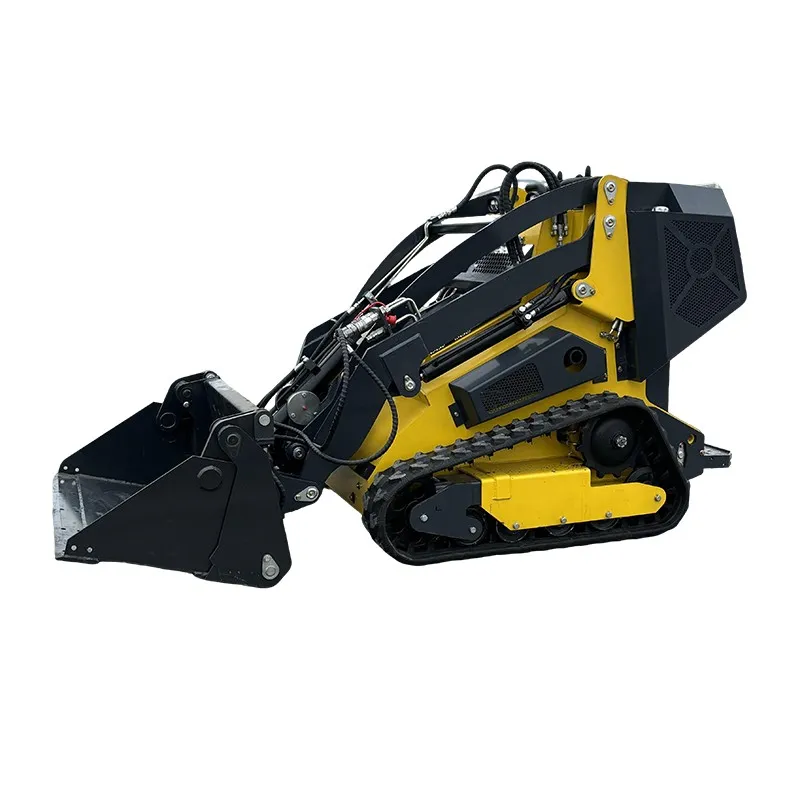
tracked loader running cost effective
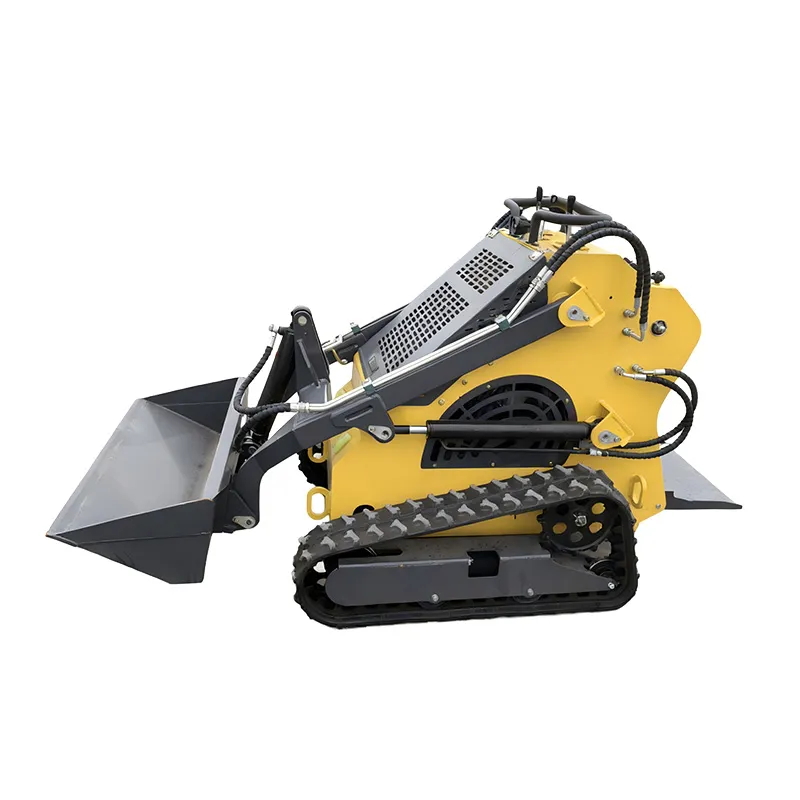
When most folks hear cost-effective tracked loader, they immediately jump to fuel consumption or the initial purchase price. That's a classic industry oversight. Real running cost is a layered beast—it's about the machine's behavior over 5,000 hours in a muddy yard, not the spec sheet. I've seen too many projects bleed money because they chased a cheap unit, only to get hammered by downtime and parts that take six weeks to arrive.
The Real Composition of Running Cost
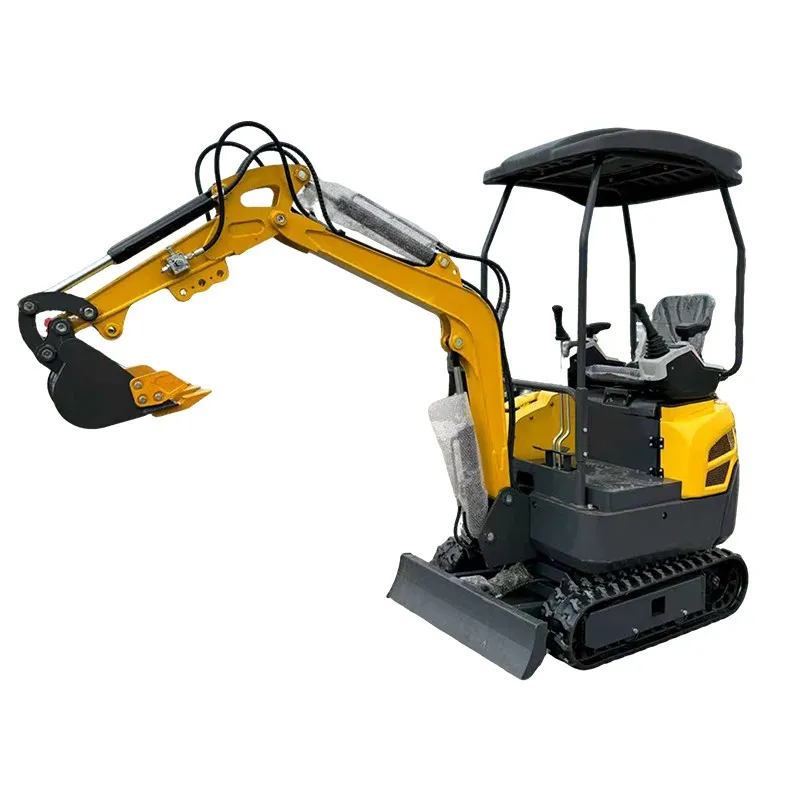
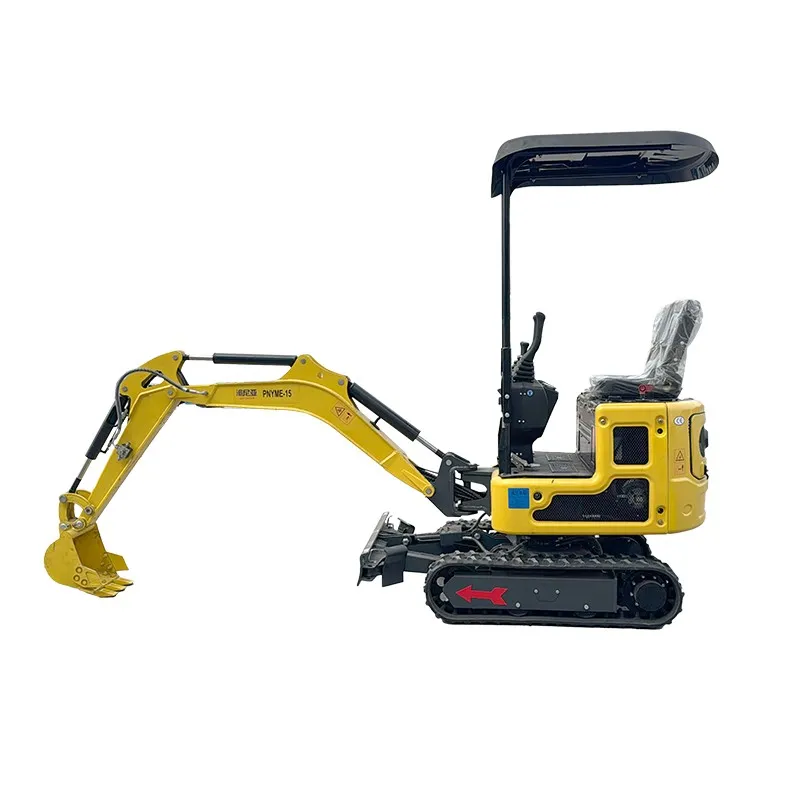
Let's break it down. Fuel is just the entry ticket. The real budget killers are hidden: undercarriage wear on abrasive sites, hydraulic system efficiency (or lack thereof) leading to slower cycle times, and the big one—serviceability. Can your mechanic easily get to the daily check points? If not, those checks get skipped, and small issues become major failures. A machine like the tracked loader from Shandong Pioneer, which we've deployed on a few reclamation sites, often gets evaluated wrongly. People see the competitive price point and assume corners are cut. But sometimes, the design philosophy is just different—focusing on modular component replacement rather than total unit overhauls.
I remember a contractor who bought a premium brand for its low operating cost but had to fly in a specialist for every electronic fault. His cost-effective machine was idle for days. Meanwhile, another crew running simpler, robust units from suppliers like Shandong Pioneer Engineering Machinery Co., Ltd kept moving dirt. Their logic was brutal: availability is the primary cost factor. No machine is cheap if it's not working.
This ties directly into parts logistics. A company with a long-term export footprint, like Pioneer which has been shipping to markets from the US to Australia since 2004, typically has a more resilient parts network. That 20-year development they mention isn't just marketing; it's institutional knowledge on what fails in different climates and how to support it. That directly lowers your cost of ownership.
Case in Point: The Undercarriage Gamble
Nothing illustrates total cost like an undercarriage. On a tracked loader, it can be 30-40% of the machine's repair budget over its life. The choice isn't just between standard and heavy-duty rollers. It's about the entire system's balance. An overly heavy, bulletproof undercarriage on a machine used for light material handling is a waste—it increases fuel burn and initial cost without real benefit.
We tested this on a sandy soil project. Two identical-looking loaders, one with a premium global undercarriage, one with a value-oriented but well-specified system from a manufacturer like the aforementioned Shandong Hexin (the manufacturing arm behind Pioneer). The surprise? At the 2,000-hour mark, wear rates were within 15%. The cost difference for a full rebuild kit, however, was over 50%. For a contractor, that's the definition of running cost effective. The cheaper parts lasted almost as long but cost half as much to replace, keeping the machine's total operating cost lower.
The lesson was clear. Don't just ask about the brand of the track chain. Ask about the expected life in your specific material, the cost and availability of individual segments, and whether you can replace just the rollers or need to do a full track group. This granularity is where you find savings.
Hydraulics and Operator Interface: The Silent Thieves
Efficiency isn't always loud. A hydraulic system with poor cooling or constant relief valve bypass steals horsepower, which burns fuel to do less work. A tracked loader that lags on lift or curl forces the operator to work the machine harder, cycling more often to fill the bucket. This accelerates wear on every pivot point.
I recall a model we ran where the joystick controls were poorly calibrated—too sensitive in one range, sluggish in another. Operators fought it all day, leading to jerky movements and excessive stress on the boom. The fix wasn't a major component change; it was a software recalibration and a different style of joystick knob. A small detail from the manufacturer's side, but it had a massive impact on smooth operation and, thus, long-term component health. Companies that pay attention to these human-machine interface details, often gleaned from decades of global feedback, build more cost-effective assets.
This is where a manufacturer's evolution matters. When Shandong Pioneer relocated and expanded its production facility in 2023, it wasn't just about more space. It's an opportunity to integrate better assembly lines and testing procedures for these very systems—hydraulic leak checks, control calibration benches. That investment by the factory translates to more consistent performance for the end-user.
The Downtime Equation and Support Reality
Here's the hard truth: every machine breaks. The cost-effectiveness of a tracked loader is determined not if it breaks, but how it breaks and how quickly it's fixed. Modular design is key. Can you swap an entire hydraulic pump assembly in a shift, or does it require disassembling half the machine's frame?
We learned this the hard way on a remote site. A major pump failure on a complex, integrated machine meant a 21-day downtime waiting for parts and a specialist. The project's low-cost machine became its most expensive liability. Now, our evaluation includes field repairability. We look for machines with service access plates, common tool sizes, and clear diagnostic ports. Sometimes, a less technologically advanced machine wins on pure serviceability, leading to a lower total running cost.
This is a strong point for manufacturers with a wide export network. A company that consistently serves demanding markets like Germany and Canada has to have a support system that can deliver parts and technical data globally. That infrastructure, built over years like Pioneer's 20-year journey, becomes a tangible asset for a buyer in Nebraska or Queensland. It reduces your risk of catastrophic downtime.
Synthesis: Calculating Your Own Cost Profile
So, how do you make a decision? Start by defining your own cost drivers. For a high-utilization rental yard, it might be all about durability and resale value. For a small farm, it might be simplicity and the ability to fix it with a local mechanic. There's no universal most cost-effective machine.
Look beyond the brochure. Ask the dealer or manufacturer: What is the most common failure point on this model after 3,000 hours? What's the lead time for a drive motor? Can you share a service manual excerpt? The answers will tell you more than any horsepower rating. The goal is a running cost effective operation, which is a partnership between you, the machine, and the company behind it.
In the end, it's about total cost per cubic yard moved, per hour of productive work. That number is built from fuel, repairs, downtime, and operator efficiency. A machine from a seasoned manufacturer—one that has evolved its production like Shandong Pioneer has, with its new facility and long trade history—often embodies these lessons in its design. It might not have the flashiest name, but if it keeps running, keeps its repair bills predictable, and gets the job done, it's the most cost-effective machine on your site. That's the real calculation.
Related Products
Related Products