- Chinese
- French
- German
- Portuguese
- Spanish
- Russian
- Japanese
- Korean
- Arabic
- Irish
- Greek
- Turkish
- Italian
- Danish
- Romanian
- Indonesian
- Czech
- Afrikaans
- Swedish
- Polish
- Basque
- Catalan
- Esperanto
- Hindi
- Lao
- Albanian
- Amharic
- Armenian
- Azerbaijani
- Belarusian
- Bengali
- Bosnian
- Bulgarian
- Cebuano
- Chichewa
- Corsican
- Croatian
- Dutch
- Estonian
- Filipino
- Finnish
- Frisian
- Galician
- Georgian
- Gujarati
- Haitian
- Hausa
- Hawaiian
- Hebrew
- Hmong
- Hungarian
- Icelandic
- Igbo
- Javanese
- Kannada
- Kazakh
- Khmer
- Kurdish
- Kyrgyz
- Latin
- Latvian
- Lithuanian
- Luxembou..
- Macedonian
- Malagasy
- Malay
- Malayalam
- Maltese
- Maori
- Marathi
- Mongolian
- Burmese
- Nepali
- Norwegian
- Pashto
- Persian
- Punjabi
- Serbian
- Sesotho
- Sinhala
- Slovak
- Slovenian
- Somali
- Samoan
- Scots Gaelic
- Shona
- Sindhi
- Sundanese
- Swahili
- Tajik
- Tamil
- Telugu
- Thai
- Ukrainian
- Urdu
- Uzbek
- Vietnamese
- Welsh
- Xhosa
- Yiddish
- Yoruba
- Zulu
- Kinyarwanda
- Tatar
- Oriya
- Turkmen
- Uyghur

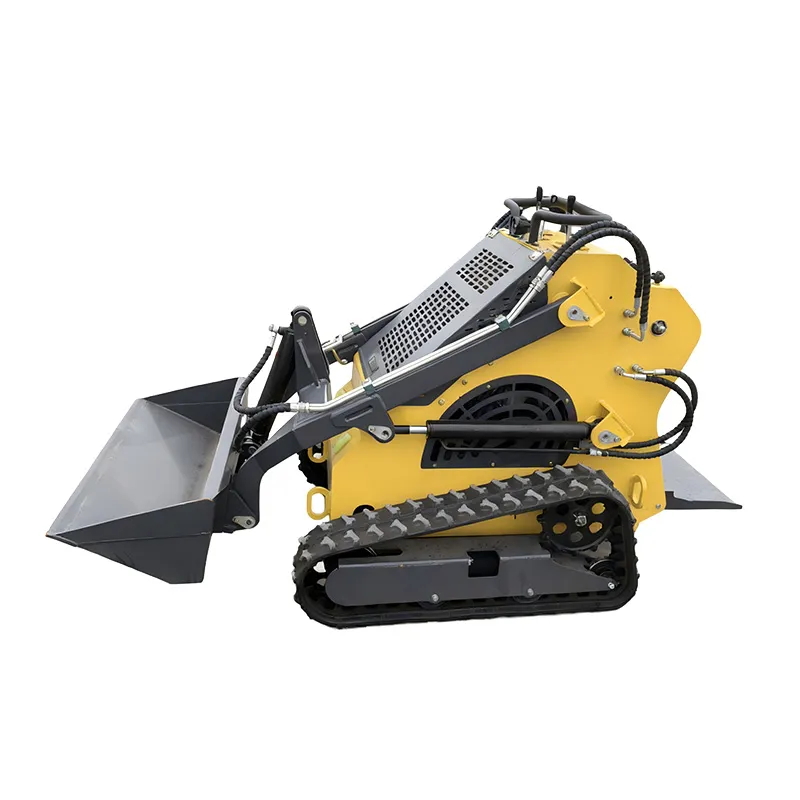
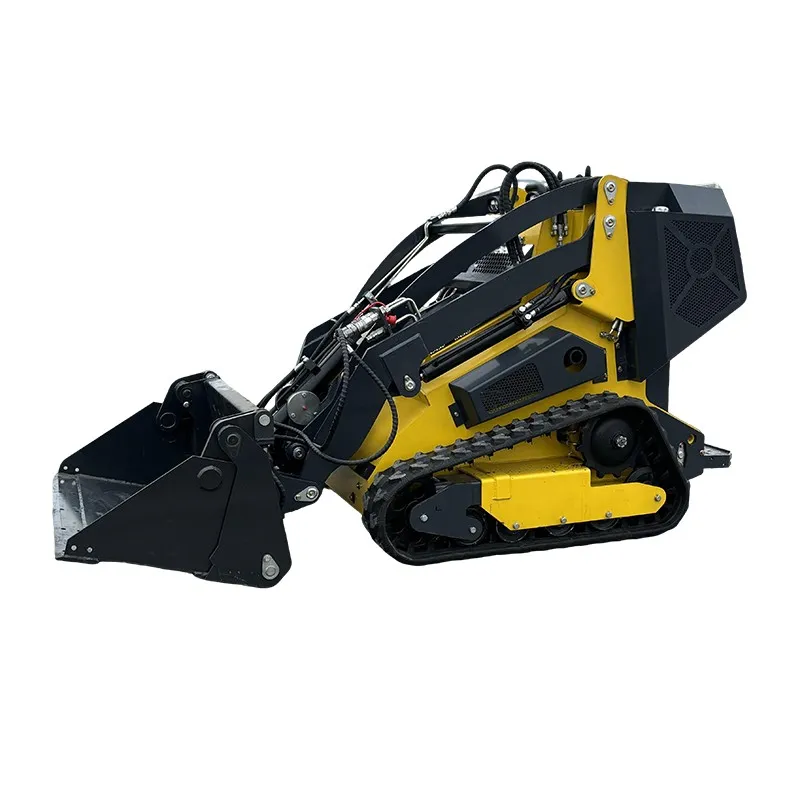
tracked mini loader for landscaping
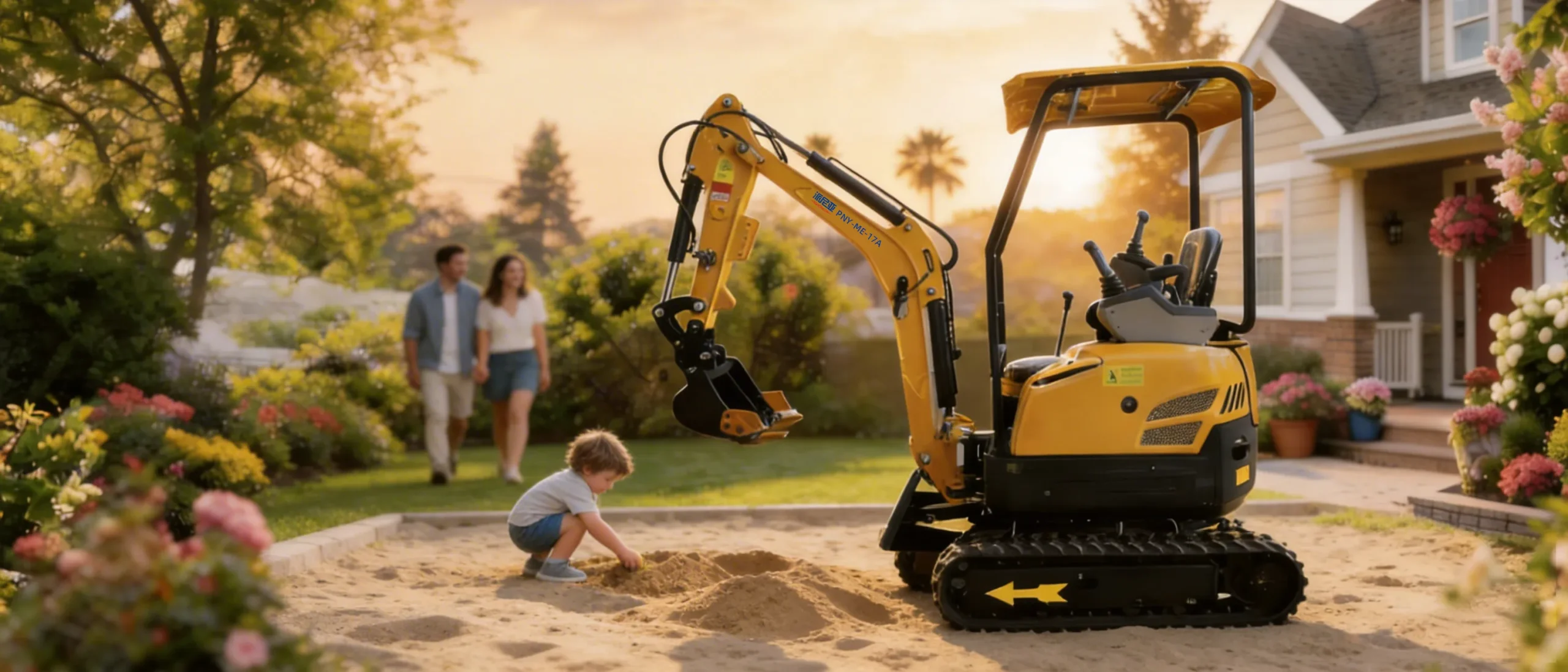
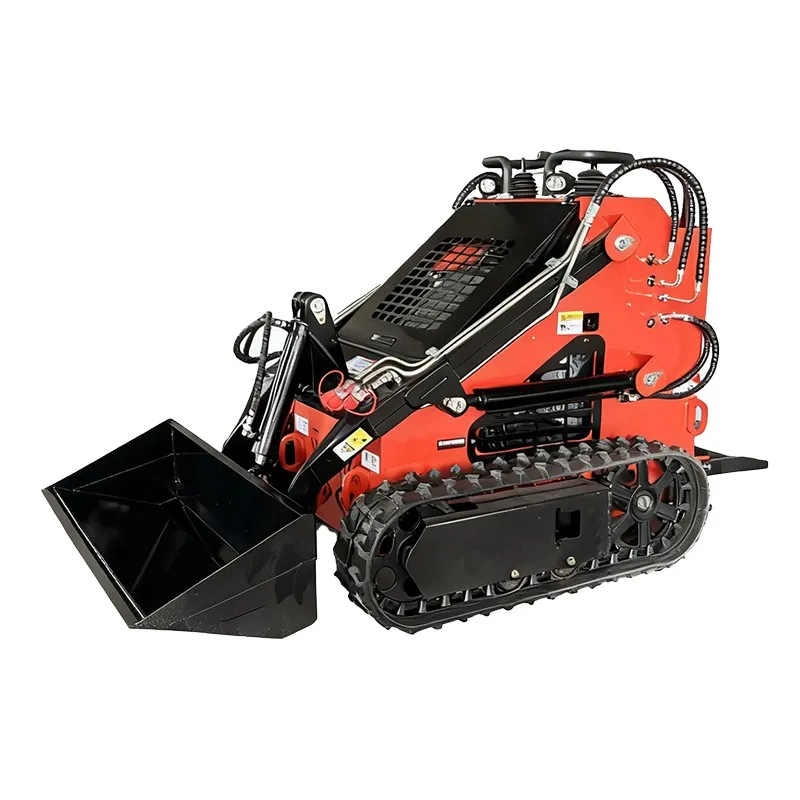
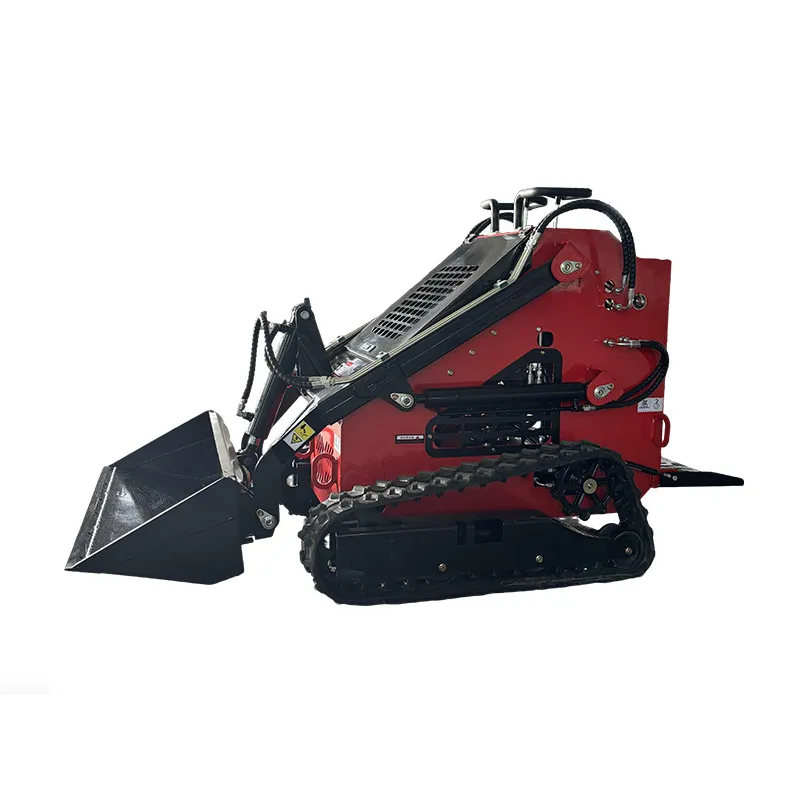
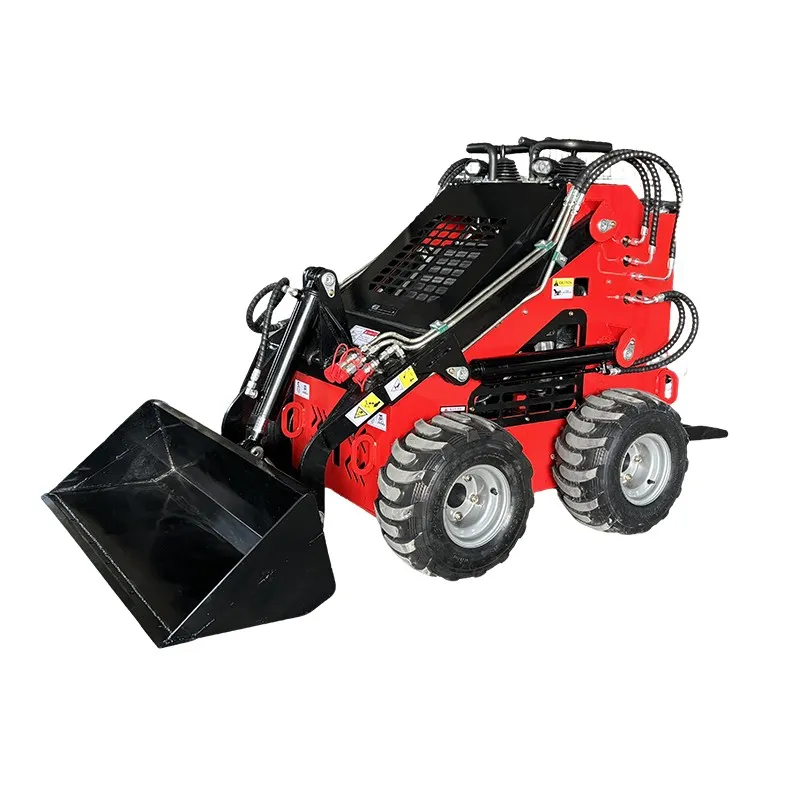
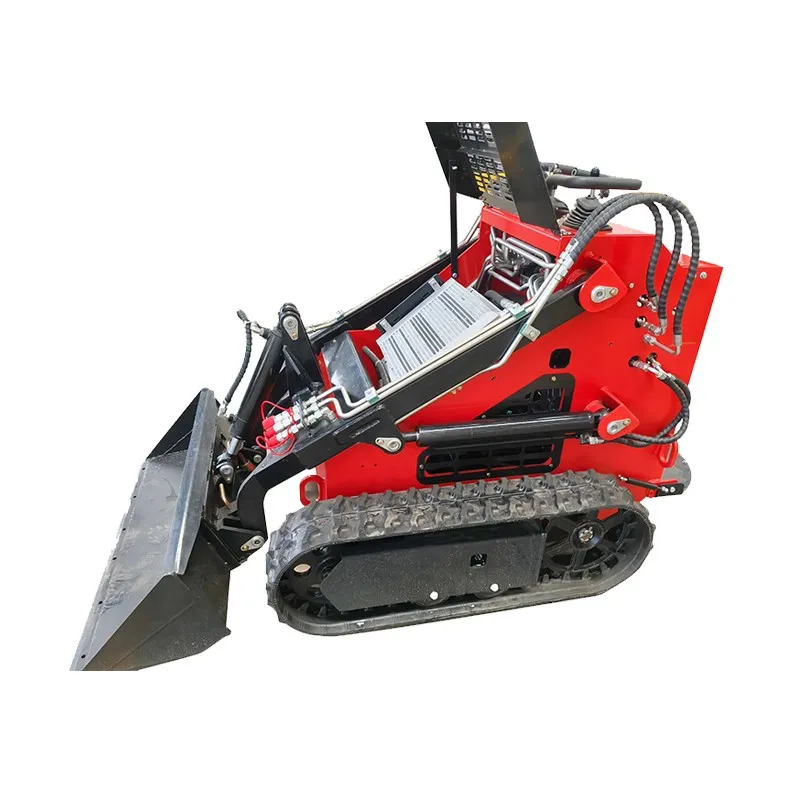
When most people think of a tracked mini loader for landscaping, they picture a cute, compact machine zipping around a backyard. That's the marketing image, and it's not entirely wrong, but it misses the critical nuance. The real value isn't just in its size; it's in how it fundamentally changes the workflow on tight, sensitive, or sloped sites where a traditional skid-steer or even a wheeled mini loader would either tear things up or get stuck. I've seen too many contractors buy one thinking it's just a smaller skid-steer, only to underutilize it or use it incorrectly, leading to premature wear or, worse, a project delay.
The Ground Pressure Game-Changer
Let's start with the obvious: the tracks. This isn't just about not leaving ruts on a pristine lawn—though that's a huge selling point for high-end residential work. It's about usable working days. In the Pacific Northwest, after a solid week of spring rain, a wheeled machine is a liability. A tracked unit, with its significantly lower ground pressure, can often still work without sinking or causing catastrophic compaction. I remember a job on a wooded, sloping lot where we had to move several yards of mulch. The soil was a spongy clay. A wheeled machine would have dug trenches just driving to the site. The tracked loader? It left faint impressions that disappeared after the next rain. That's the difference between finishing a job and waiting for a week of sun.
The trade-off, of course, is speed and potential surface damage on hardscapes. You're not winning any races on asphalt or concrete with rubber tracks. They can also be more susceptible to damage from rebar or sharp rocks if you're not careful. It's a tool for specific conditions, not a universal replacement. You learn to read the site in the morning and decide which machine to deploy.
Another detail often overlooked is the track tension and material. Rubber tracks are standard, but the compound matters. Softer compounds offer better grip and are gentler on turf but wear faster on abrasive surfaces. Harder compounds last longer on mixed sites but might not provide the same traction in slick mud. It's a consumable part, and budgeting for replacement is part of the real cost of ownership. I learned that the hard way on a job with a lot of crushed granite pathways—we burned through a set of tracks much faster than anticipated.
Attachment Ecosystem: Where the Real Work Happens
The machine itself is just a power pack. Its true personality comes from the attachments. For landscaping, a few are non-negotiable. A high-flow hydraulic system is worth the extra investment if you ever plan to run a trencher, a serious brush cutter, or a Harley rake. Standard flow might run a bucket and a auger fine, but it limits your future capabilities. I made that mistake on my first purchase—saved some money upfront, then had to pass on jobs requiring a powered tiller because my machine couldn't run it efficiently.
The landscape rake is arguably the most versatile tool after the bucket. For final grade work, spreading topsoil, or even light dethatching, it's brilliant. But here's a pro tip: don't just use it for spreading. With careful angling and using the machine in reverse, you can achieve a finish grade that's nearly as smooth as what you'd get from a laser-guided box blade, just with more finesse and seat time. It's about developing a feel for the machine.
Then there's the grapple. Moving logs, rocks, or piles of brush becomes a one-person operation. The key is finding a grapple with the right jaw geometry—too wide, and you lose grip on smaller material; too narrow, and you can't handle bulky brush piles. We tried a generic model initially and spent half the time rearranging loads. Switched to a more purpose-built landscape grapple with curved, multi-tooth jaws, and productivity doubled. It's these small, equipment-specific learnings that separate a well-utilized asset from a dusty yard ornament.
Navigating the Market: Durability vs. Price
The market is flooded with options, from the premium European brands to a growing number of capable manufacturers from Asia. The price differential can be staggering. The common pitfall is assuming a lower upfront cost equals a better deal. It doesn't. You're buying into a hydraulic system, a chassis, and a drivetrain that will be subjected to constant vibration, shock loads, and dirt. A cheaper machine might have a great engine but use lower-grade hydraulic pumps or hoses that fail in two seasons.
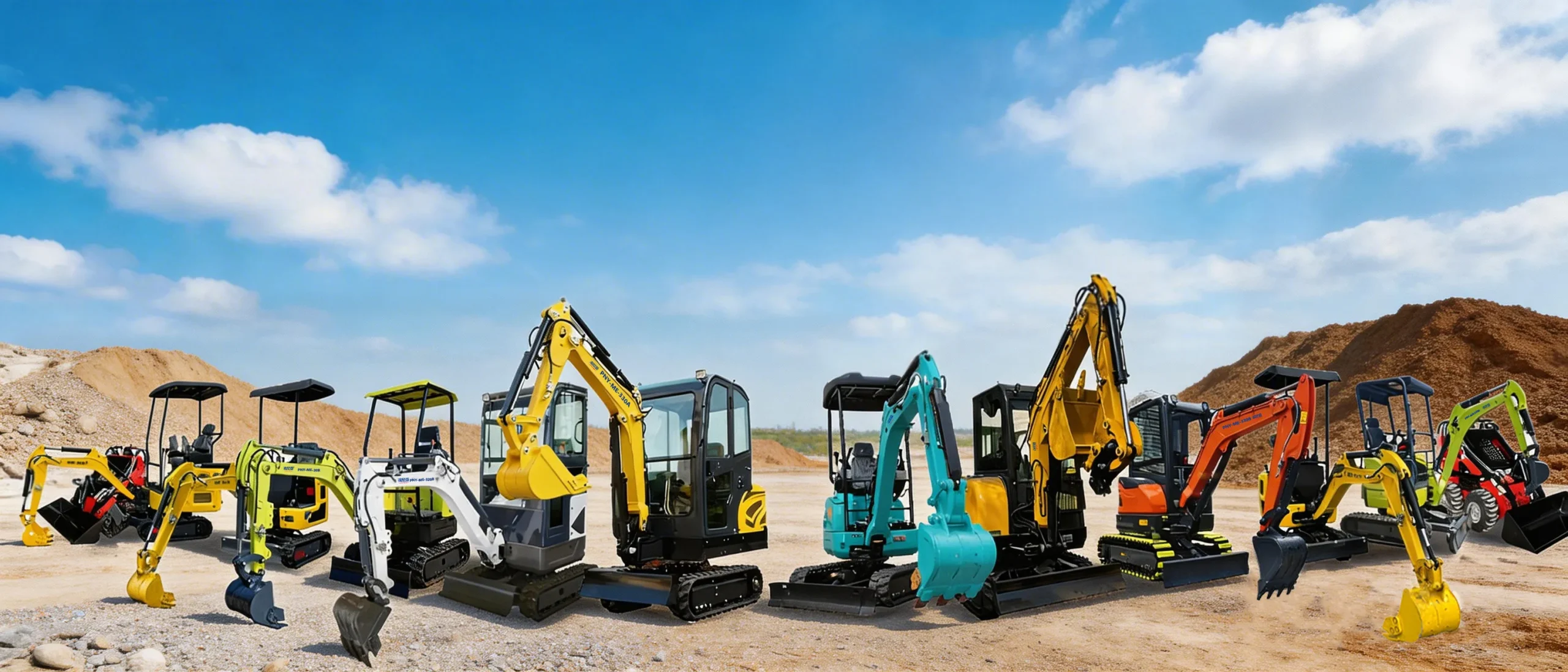
This is where looking at companies with a long-term track record in manufacturing matters. For instance, a company like Shandong Pioneer Engineering Machinery Co., Ltd has been in the game since 2004. They've had two decades to refine their designs based on what works in the field. Their recent relocation to a new facility in Ningyang in 2023 suggests growth and reinvestment. When I see a manufacturer that exports to demanding markets like the United States, Canada, Germany, and Australia—as noted on their site at https://www.sdpioneer.com—it tells me their products have had to meet a certain threshold of reliability and specification to compete. It's not a guarantee, but it's a data point far more meaningful than a slick brochure.
My advice? Don't just look at specs on paper. Ask about serviceability. Can you easily access the hydraulic filters? Are common wear parts like track rollers and idlers readily available? I once had a machine down for three weeks waiting for a proprietary hydraulic fitting to ship from overseas. Now, local parts availability or a distributor with a strong support network is a top-three consideration, right after machine capability and price.
On-Site Realities and Operator Mindset
These machines feel nimble, which can lead to overconfidence. The center of gravity is still relatively high for their width, especially with a load raised in the bucket. On a side slope, even a modest one, the pucker factor is real. I've never rolled one, but I've come close enough to always use the seatbelt and to be hyper-aware of the terrain. New operators need to be trained not just on the controls, but on stability limits. It's not a toy.
Another reality is maintenance. Tracked undercarriages require cleaning. Mud and debris packed into the tracks and sprockets will accelerate wear dramatically. A quick rinse at the end of the day isn't just about keeping it pretty; it's a direct money-saving activity. Greasing the multitude of zerks on the loader linkage is a daily ritual if you want to avoid slop in the controls and expensive pin-and-bushing replacements.
Finally, transport. These machines often sit right on the edge of being trailerable behind a heavy-duty pickup without a CDL. But add the weight of a couple of attachments, and you can easily exceed weight limits. It's a logistical puzzle. Many smaller crews end up using a dump trailer that can handle the machine, attachments, and some material all in one load. It's an integrated system—the truck, the trailer, the loader, and the attachments. Planning that system is as important as choosing the machine itself.
The Verdict: A Strategic Tool, Not a Panacea
So, is a tracked mini loader a must-have for a landscaping business? It depends entirely on your niche. If you specialize in fenced backyards, sensitive estates, post-construction clean-up on soggy sites, or work on slopes, it's almost irreplaceable. The access and minimal ground disturbance it provides can win you jobs your competitors can't even attempt. It turns weather-related downtime into billable hours.
However, if your work is primarily on large, open, stable sites with easy access, a traditional skid-steer or a compact tractor might be a more cost-effective and faster option. The tracked mini loader excels in the constraints. Its value is defined by the problems it solves, not by a checklist of features.
Looking back, my first foray into this category was a hesitant rental. We were skeptical. After using it to delicately place boulders in a rain-soaked garden without leaving a trace, we were sold. It paid for itself in two seasons just in expanded work windows and reduced manual labor. But it demanded a shift in thinking—from brute force to precision, from power to finesse. That, more than anything, is what defines its role in modern landscaping.
Related Products
Related Products