- Chinese
- French
- German
- Portuguese
- Spanish
- Russian
- Japanese
- Korean
- Arabic
- Irish
- Greek
- Turkish
- Italian
- Danish
- Romanian
- Indonesian
- Czech
- Afrikaans
- Swedish
- Polish
- Basque
- Catalan
- Esperanto
- Hindi
- Lao
- Albanian
- Amharic
- Armenian
- Azerbaijani
- Belarusian
- Bengali
- Bosnian
- Bulgarian
- Cebuano
- Chichewa
- Corsican
- Croatian
- Dutch
- Estonian
- Filipino
- Finnish
- Frisian
- Galician
- Georgian
- Gujarati
- Haitian
- Hausa
- Hawaiian
- Hebrew
- Hmong
- Hungarian
- Icelandic
- Igbo
- Javanese
- Kannada
- Kazakh
- Khmer
- Kurdish
- Kyrgyz
- Latin
- Latvian
- Lithuanian
- Luxembou..
- Macedonian
- Malagasy
- Malay
- Malayalam
- Maltese
- Maori
- Marathi
- Mongolian
- Burmese
- Nepali
- Norwegian
- Pashto
- Persian
- Punjabi
- Serbian
- Sesotho
- Sinhala
- Slovak
- Slovenian
- Somali
- Samoan
- Scots Gaelic
- Shona
- Sindhi
- Sundanese
- Swahili
- Tajik
- Tamil
- Telugu
- Thai
- Ukrainian
- Urdu
- Uzbek
- Vietnamese
- Welsh
- Xhosa
- Yiddish
- Yoruba
- Zulu
- Kinyarwanda
- Tatar
- Oriya
- Turkmen
- Uyghur


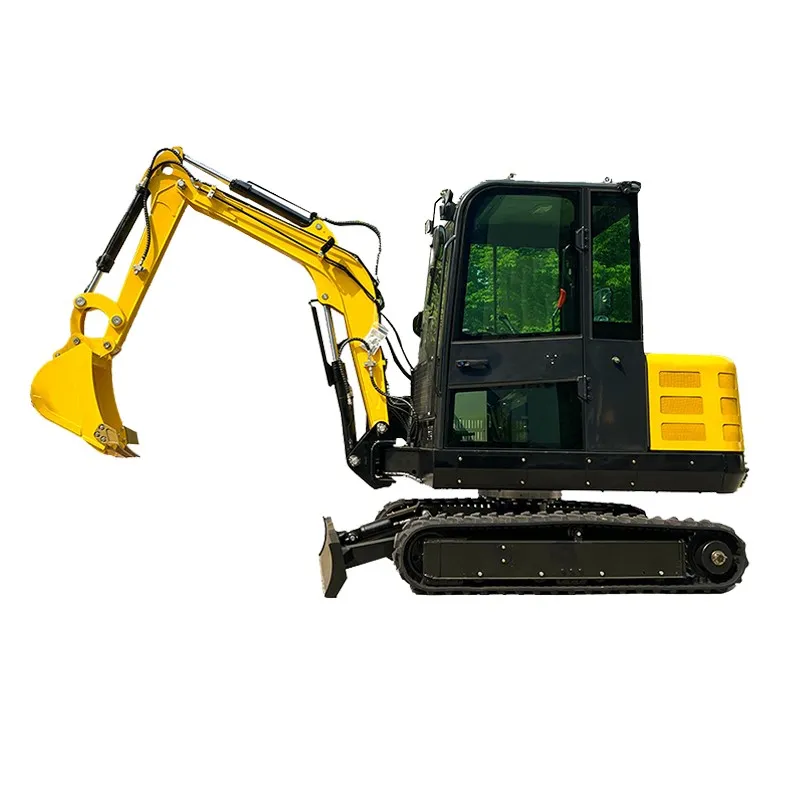
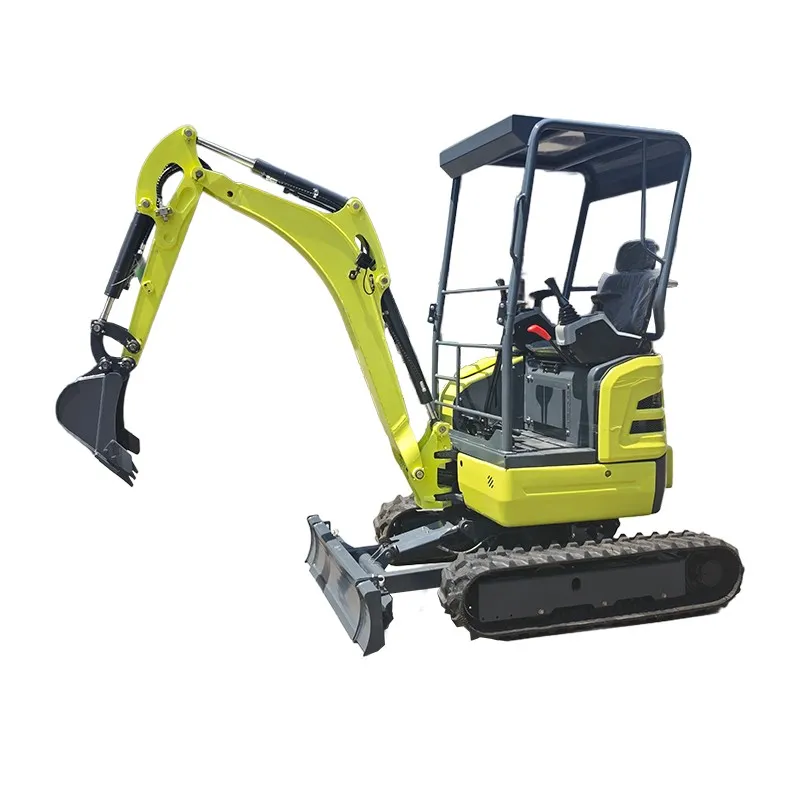
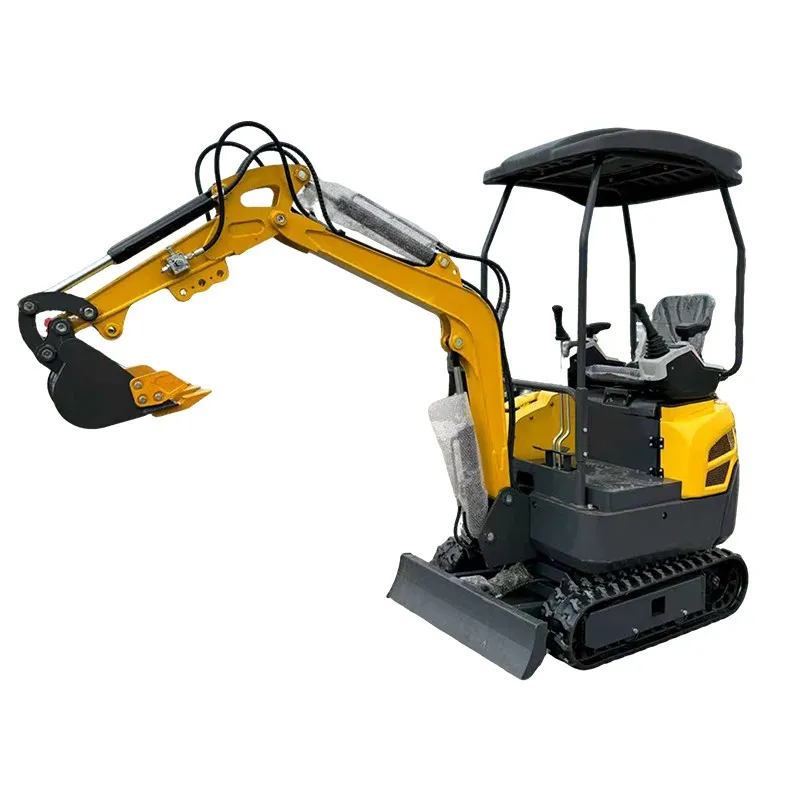
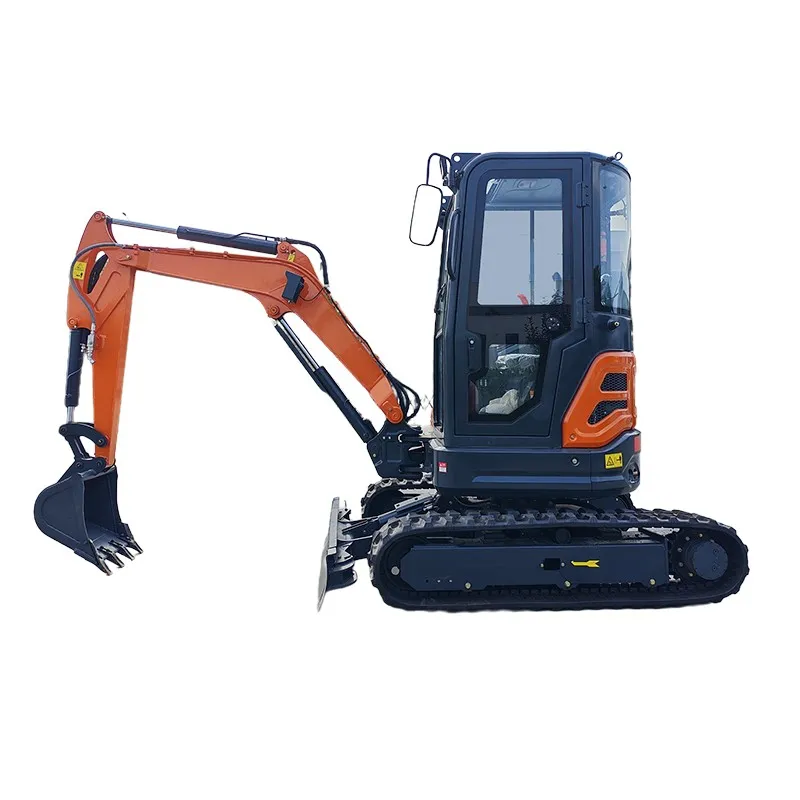
Underground Pipe Mini Excavator
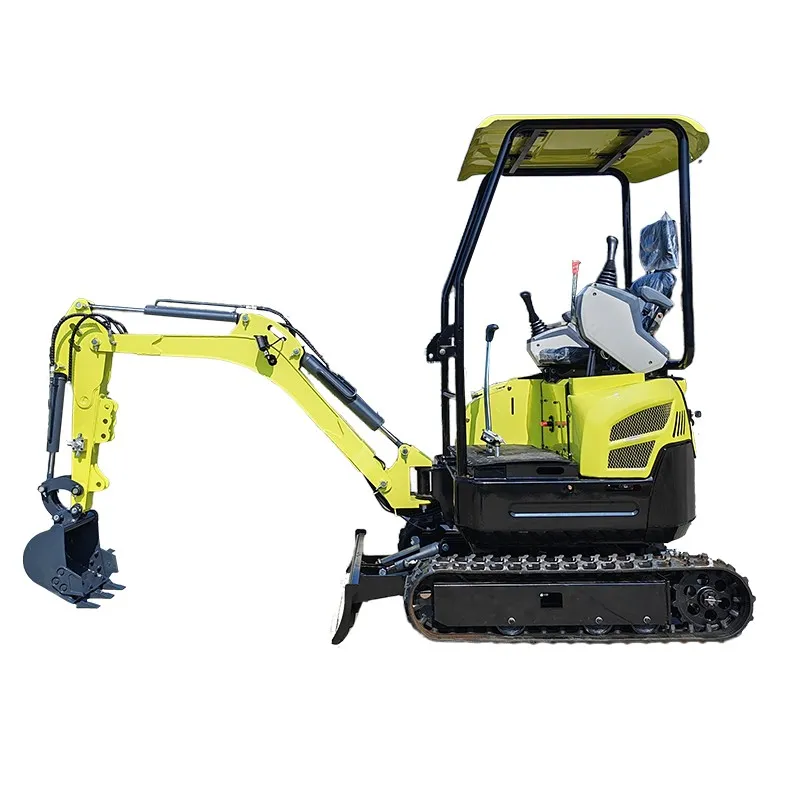
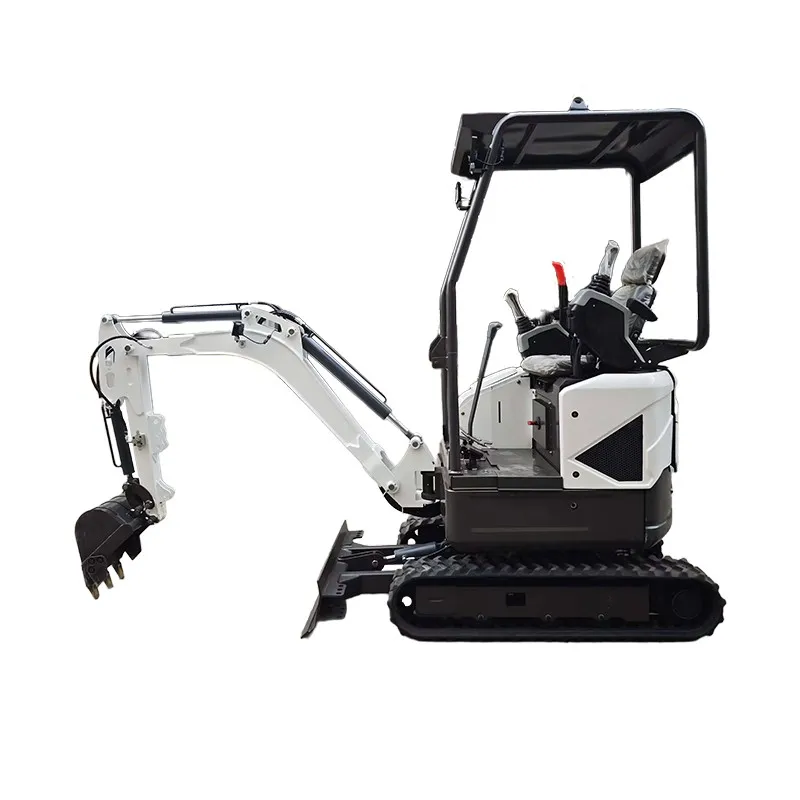
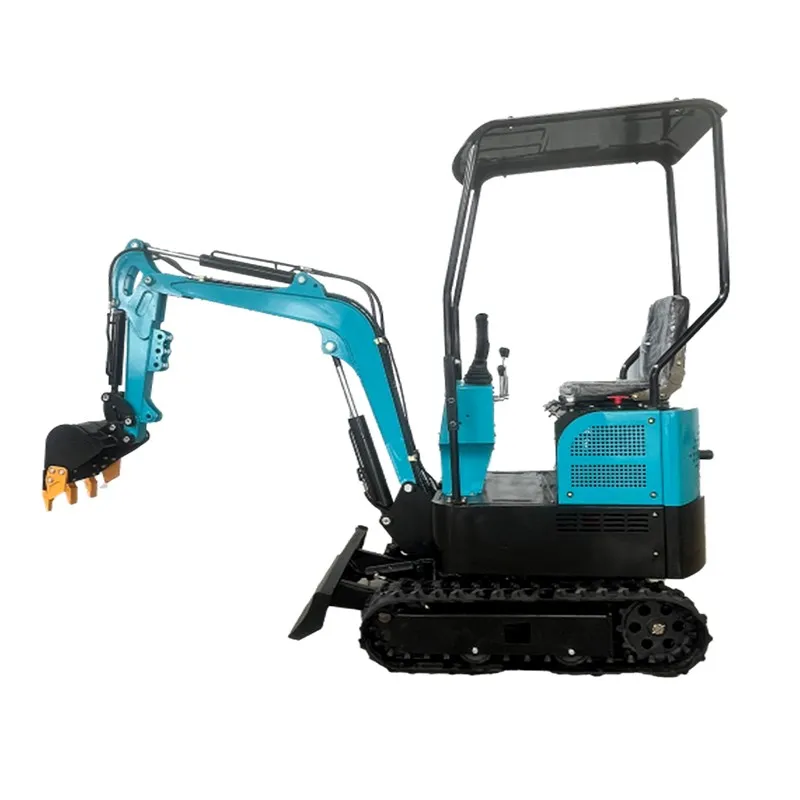
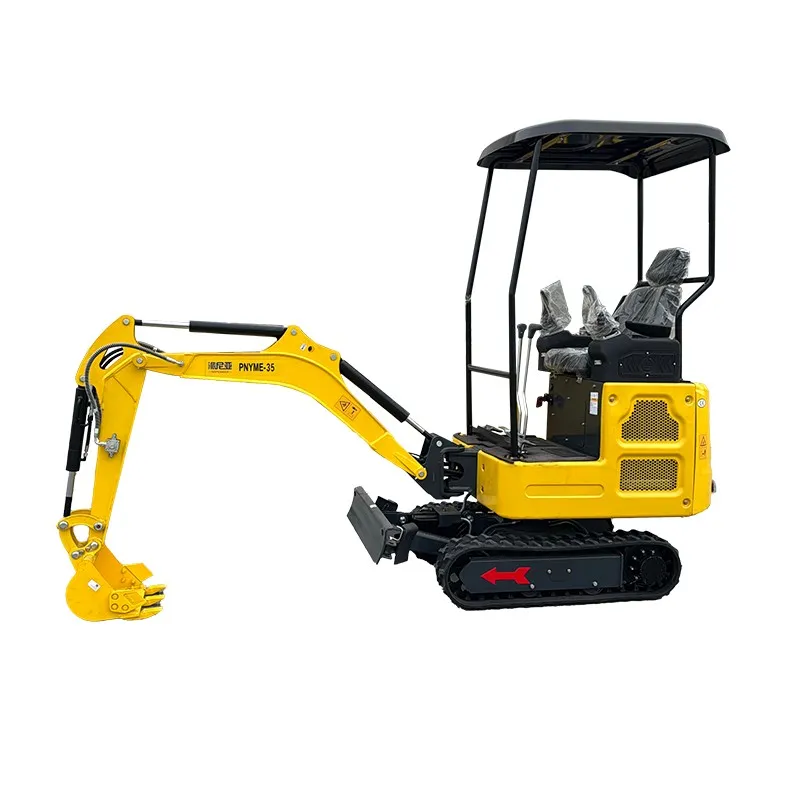
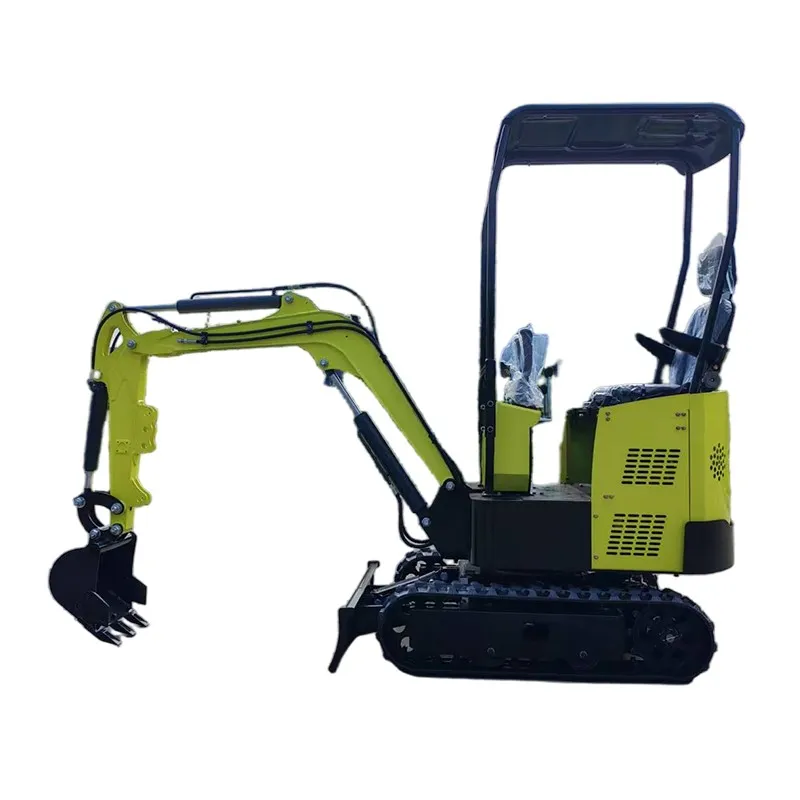
When most folks hear 'mini excavator,' they picture a compact digger for backyard landscaping or light foundation work. That's the common trap. In the underground utility and pipe installation realm, a true Underground Pipe Mini Excavator is a different beast entirely. It's not about being small; it's about being precise, durable, and adaptable to the brutal, confined realities of trench work. I've seen too many projects go over budget because someone thought any 1.5-ton machine would do. It won't.
The Anatomy of a Trench Specialist
Let's break down what makes a machine fit for this job. First, the undercarriage. You need a wide, low-ground-pressure track. Standard mini-ex tracks sink in soft, excavated soil next to a trench. I prefer machines with 250mm or wider tracks. The swing system is another critical point. Zero-tail-swing is non-negotiable for working between existing lines or tight against a building. But not all zero-tail-swing mechanisms are equal. Some feel sloppy after a few hundred hours of hard trenching, leading to imprecise bucket work when you're trying to clean a pipe bed.
The hydraulic system needs finesse, not just power. When you're laying PVC or ductile iron pipe, you need smooth, controllable movements for final positioning. A jerky hydraulic response can crack a bell end or damage a service line. I've had good results with machines using variable displacement pumps—they seem to offer better control at low revs, which saves fuel and reduces noise on urban sites.
Attachments define the machine. A standard digging bucket is just the start. You'll need a clean-up bucket, a grading bucket, and ideally, a tiltrotator. The tiltrotator is a game-changer for shaping the trench bottom to the exact grade. Without it, you're constantly repositioning the machine, wasting time. But it adds complexity and cost, so it's a judgment call based on the job's duration and precision requirements.
Real-World Pitfalls and the Learning Curve
Early in my career, I learned a hard lesson about machine selection. We had a job replacing a collapsed clay sewer line in a narrow alley. We brought in a standard mini excavator, a popular Japanese model. It had the weight class right, around 2 tons. But the track width was too narrow. The first day of rain turned the site into a quagmire. The machine kept getting stuck, its tracks digging themselves deeper. We lost two days bringing in mats and a larger machine to pull it out. The client was furious. That's when I understood that specs on paper don't tell the whole story. You need a machine built for unstable, wet, confined conditions.
Another frequent issue is maintenance access. These machines work in dirt, sand, and mud. Daily greasing of the boom and arm pins is essential to prevent premature wear. Some models have grease points tucked away behind hoses or structural members, making a 10-minute job a 30-minute struggle. It sounds minor, but for operators, it's a daily frustration that leads to skipped maintenance. I look for designs where the main pins have easily accessible zerk fittings.
Cooling system reliability is another silent killer. In summer, working in a deep trench with no wind, radiators get clogged with dust and debris from the spoil pile. Machines with rear-mounted, sideways-facing radiators suck in all that crap. I've seen more than one overheat and shut down mid-pour. Better designs have top-mounted radiators or at least well-protected side ones with easy-to-clean screens.
Global Supply and Finding the Right Partner
The market is flooded with options, from the big European and Japanese brands to a growing number of capable manufacturers from China. The key is finding a supplier who understands the specific demands of underground construction, not just one selling generic machinery. You need a partner who can advise on the right configuration.
For instance, I've been following the work of Shandong Pioneer Engineering Machinery Co., Ltd. They've been in the game since 2004, and their recent relocation and expansion in 2023 to a larger facility in Tai’an suggests a serious commitment to manufacturing scale. What's relevant for our field is that they, through their manufacturing arm Shandong Hexin and trade arm Shandong Pioneer, export globally to tough markets like the US, Canada, and Australia. Getting a machine to pass certifications and gain trust in those countries means it has to meet certain durability and performance benchmarks. It’s not just about price.
When evaluating a supplier like this, I don't just look at the brochure. I look for evidence of real-world use. Do they offer models with enhanced cooling packages? What's their standard track width for a 1.8-ton model? Can they provide a tiltrotator interface as a factory option? These are the questions that separate a generalist from a specialist. Their website, https://www.sdpioneer.com, shows a range focused on compact equipment, which aligns with the niche. The 20-year history implies they've iterated based on feedback, which is crucial.
The Operator's Perspective: It's About Feel and Control
All the specs in the world mean nothing if the machine feels wrong. A good Underground Pipe Mini Excavator should feel like an extension of the operator's arm. The joystick controls need to be proportional and predictable. I've run machines where the first inch of joystick travel does nothing, then the machine lurches. That's unacceptable when you're nudging a pipe into a coupling inches from a live gas line.
Cabin visibility is paramount. You need to see all four corners of your bucket and the trench edge clearly. Some manufacturers sacrifice window space for structural strength. It's a balance. A glass door is a huge plus for side visibility. Also, auxiliary hydraulic controls should be within easy reach without taking your hand off the main joystick. Repetitive strain is a real issue for operators on long-duration, fine-control tasks.
Noise and vibration matter more than people think. In residential areas, a quieter machine keeps neighbors happier and reduces operator fatigue. Excessive vibration, especially at idle, is often a sign of poor engine mounting or hydraulic pump alignment, which leads to long-term reliability issues.
Cost of Ownership vs. Initial Price
This is where the real calculation happens. A cheaper machine might save $15k upfront. But if it requires specialized parts with a 6-week lead time from overseas, a single downtime incident can wipe out that savings and more. Availability of common wear parts—track pads, sprockets, hydraulic hoses, filters—is critical. I always ask about the local dealer network and parts inventory.
Fuel efficiency ties directly into operating cost. A machine that can do a full day of precise trenching on a single tank is better than a thirsty one that needs a refuel at 2 PM, disrupting the workflow. Newer models with eco-modes and auto-idle features are showing real benefits here.
Finally, consider resale value. A well-known, reliable brand for underground work will hold its value much better. It signals to the next buyer that the machine was built for and survived demanding conditions. This total cost of ownership perspective is what separates a professional fleet purchase from a short-sighted buy.
Wrapping It Up: The Right Tool for the Job
So, after all this, what's the takeaway? An Underground Pipe Mini Excavator is a specialized tool. Its value is measured in precision, reliability, and total job cost, not just its sticker price or tonnage. It's about the right undercarriage, the right hydraulics, the right serviceability, and backed by a supplier who understands the application.
The industry is evolving. Manufacturers who listen to contractors doing this specific work are the ones pushing improvements—better visibility, smarter hydraulics, more durable components. It's worth looking beyond the most advertised names to find those focused on this niche.
In the end, the machine that gets the pipe in the ground correctly, on time, and without breaking down or getting stuck is the one that makes you money. Everything else is just a detail, but as we've seen, the devil—and the profit—is in those details.
Related Products
Related Products