- Chinese
- French
- German
- Portuguese
- Spanish
- Russian
- Japanese
- Korean
- Arabic
- Irish
- Greek
- Turkish
- Italian
- Danish
- Romanian
- Indonesian
- Czech
- Afrikaans
- Swedish
- Polish
- Basque
- Catalan
- Esperanto
- Hindi
- Lao
- Albanian
- Amharic
- Armenian
- Azerbaijani
- Belarusian
- Bengali
- Bosnian
- Bulgarian
- Cebuano
- Chichewa
- Corsican
- Croatian
- Dutch
- Estonian
- Filipino
- Finnish
- Frisian
- Galician
- Georgian
- Gujarati
- Haitian
- Hausa
- Hawaiian
- Hebrew
- Hmong
- Hungarian
- Icelandic
- Igbo
- Javanese
- Kannada
- Kazakh
- Khmer
- Kurdish
- Kyrgyz
- Latin
- Latvian
- Lithuanian
- Luxembou..
- Macedonian
- Malagasy
- Malay
- Malayalam
- Maltese
- Maori
- Marathi
- Mongolian
- Burmese
- Nepali
- Norwegian
- Pashto
- Persian
- Punjabi
- Serbian
- Sesotho
- Sinhala
- Slovak
- Slovenian
- Somali
- Samoan
- Scots Gaelic
- Shona
- Sindhi
- Sundanese
- Swahili
- Tajik
- Tamil
- Telugu
- Thai
- Ukrainian
- Urdu
- Uzbek
- Vietnamese
- Welsh
- Xhosa
- Yiddish
- Yoruba
- Zulu
- Kinyarwanda
- Tatar
- Oriya
- Turkmen
- Uyghur


Urban Construction Excavator
When most people hear 'urban construction excavator,' they picture a generic yellow machine clawing at dirt. That's the first misconception. In dense cityscapes, it's not about raw power; it's about precision, adaptability, and navigating a minefield of underground utilities, tight spaces, and public traffic. The wrong machine choice here doesn't just slow a project down—it can cause catastrophic service disruptions or worse. I've seen projects stall for weeks because someone thought a standard 20-tonner could handle a delicate foundation job next to a century-old sewer main. The urban environment demands a different breed of machine and operator.
The Anatomy of an Urban Specialist
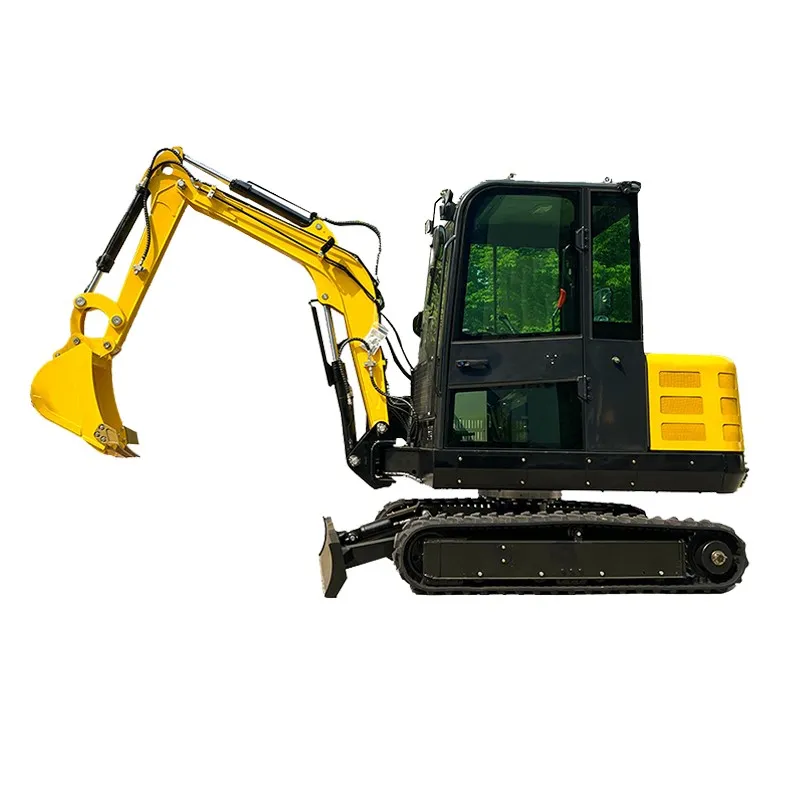
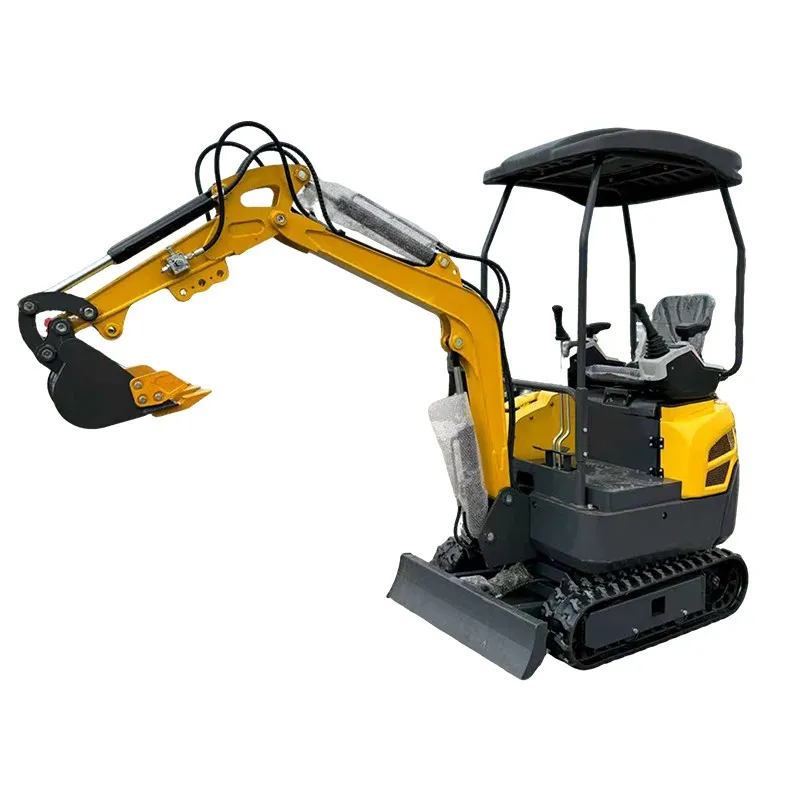
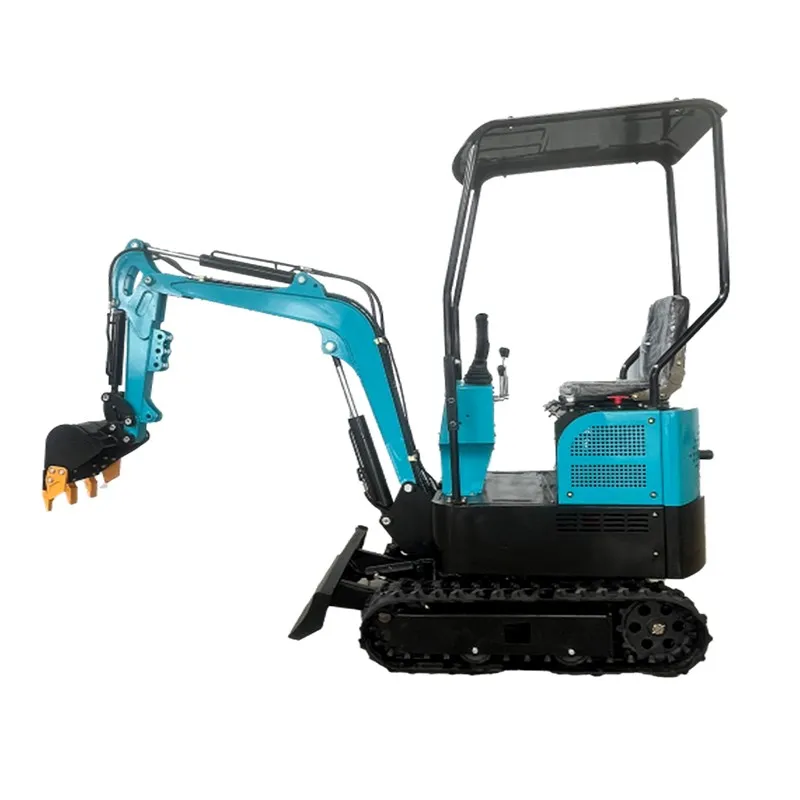
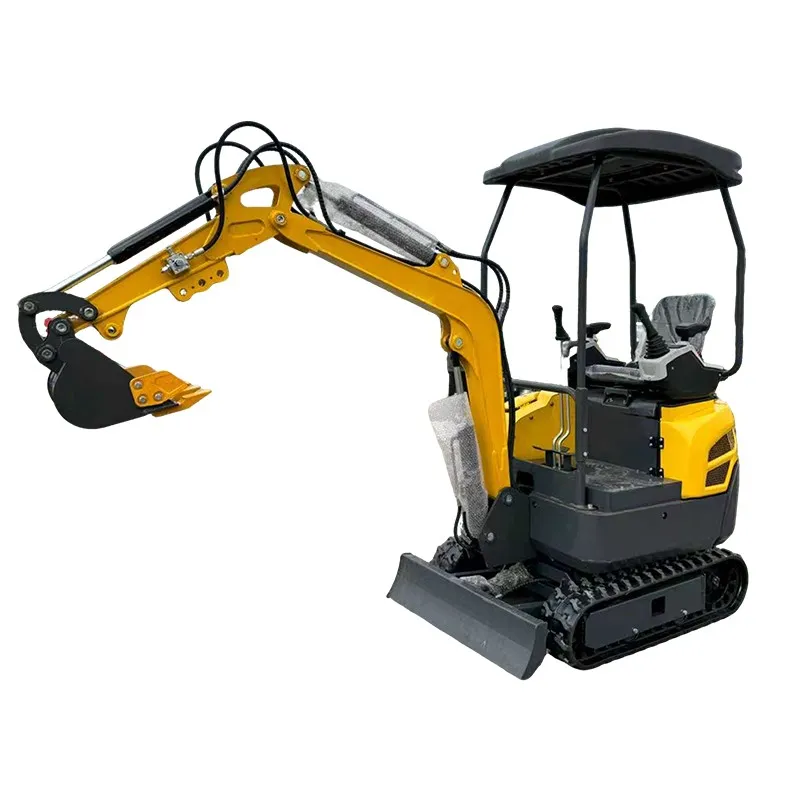
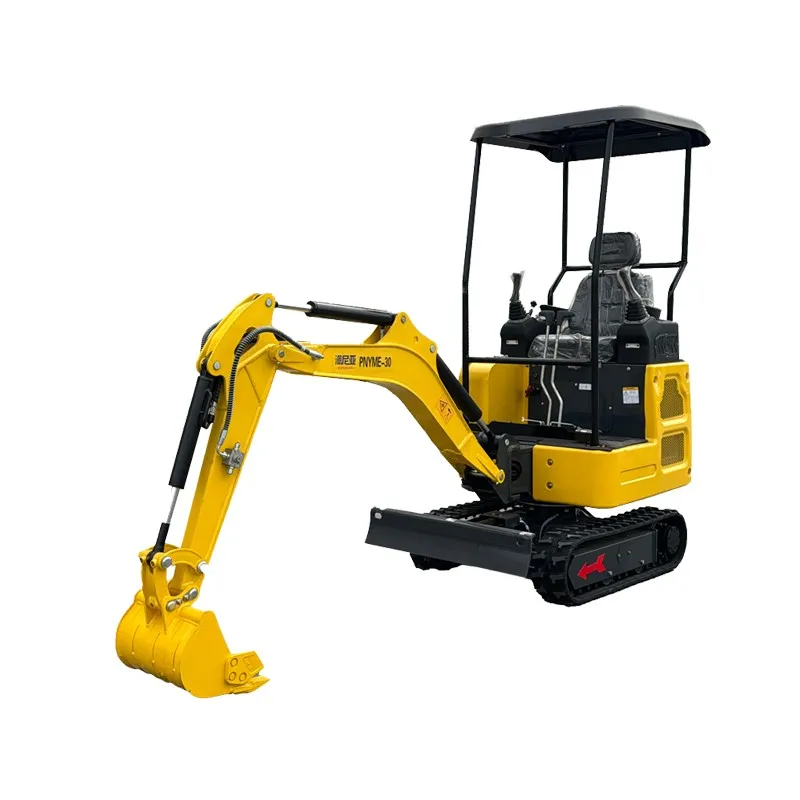
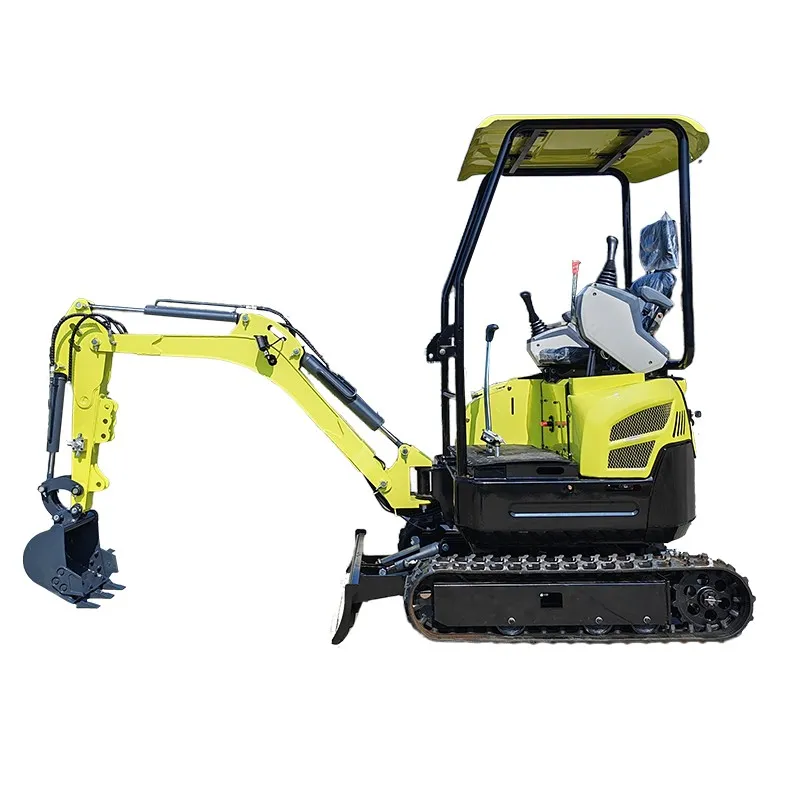
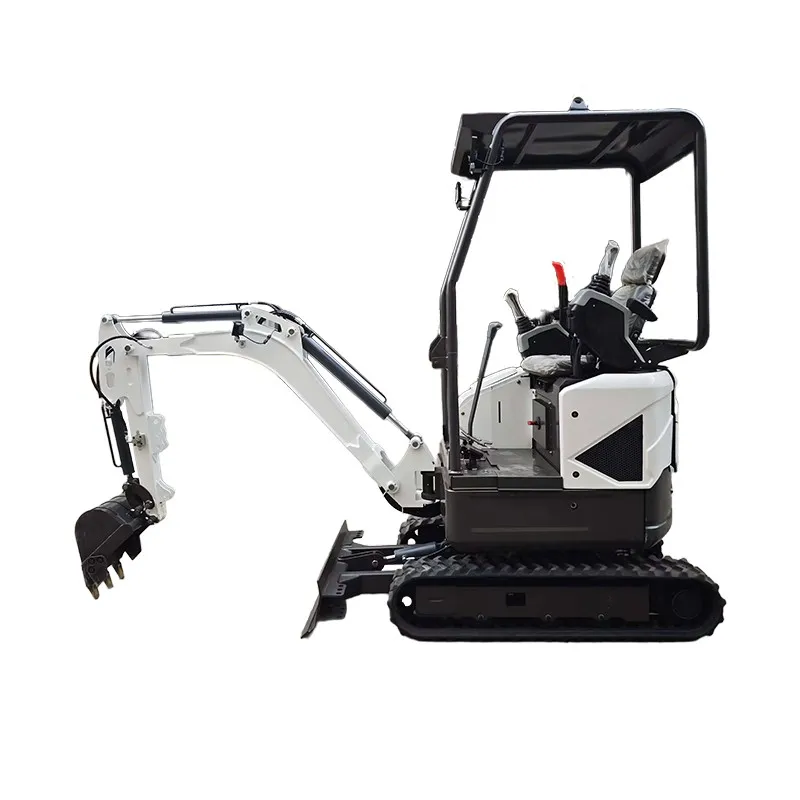
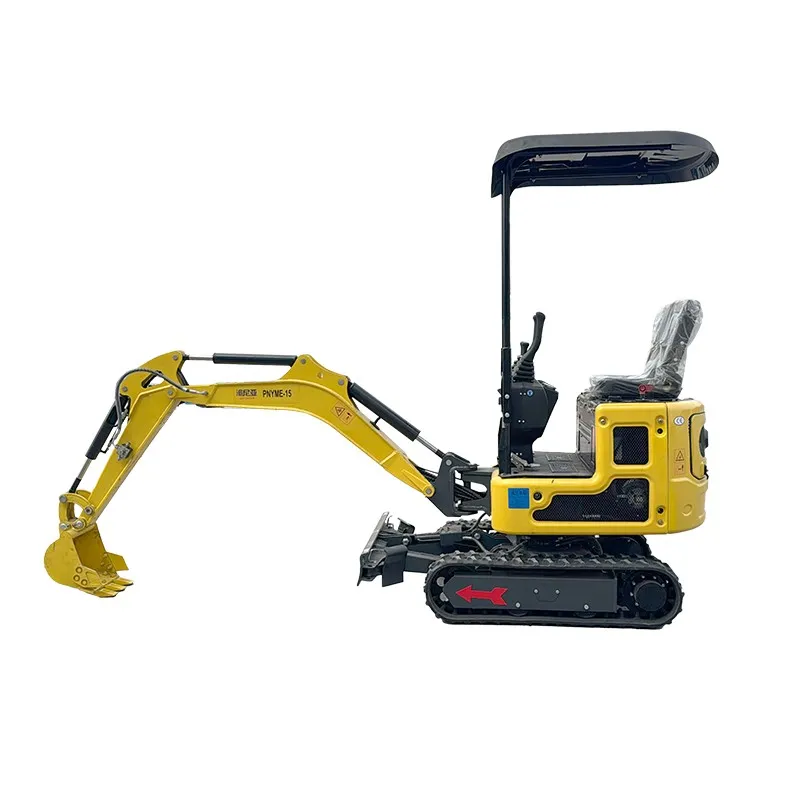
So, what defines a true urban specialist? It starts with the undercarriage. Zero-tail-swing or compact radius models are non-negotiable. You need the ability to rotate 360 degrees within the machine's own footprint without the counterweight overhang striking a fence, a parked car, or a pedestrian barrier. I remember specifying a urban construction excavator from a manufacturer like SANY's SY35U for a downtown streetscape project precisely for this. Its compact design let us work within coned-off lanes without encroaching into active traffic.
Then there's the attachment ecosystem. The standard bucket is just the beginning. We're constantly switching out for hydraulic breakers for concrete demolition, grapples for sorting debris, or even compactors for backfilling in tight trenches. The auxiliary hydraulic system's flow and pressure become critical specs. A weak flow means a breaker that just taps uselessly against reinforced concrete. You learn to check these specs religiously, often more than the engine horsepower.
Noise and emission compliance is another silent battleground. More municipalities now have strict decibel limits and require Tier 4 Final or equivalent emission standards for inner-city work. I've been on sites where an older, non-compliant machine was literally shut down by city inspectors, idling a whole crew. The low-emission engines in modern urban excavators aren't just marketing; they're your ticket to operate. Companies that export to regulated markets like Germany or California, such as Shandong Pioneer Engineering Machinery Co., Ltd, have to engineer for these standards from the ground up, which is a point worth noting when evaluating a machine's true urban readiness.
On-Site: The Reality of Concrete and Conduits
Theory is one thing. The reality is often a muddy, chaotic puzzle. A recent foundation excavation in an older district comes to mind. Plans showed telecom lines at 1.2 meters. Our initial survey agreed. But halfway through, the bucket snagged a bundle of unmarked, live fiber optics buried at 0.8 meters. Everything stopped. This is where the operator's feel and the machine's fine control are tested. You switch from excavation to delicate handwork, using the bucket's edge to carefully tease away soil, not scoop it. A jerky or imprecise hydraulic response would have severed every line.
Another constant headache is ground pressure. A standard excavator can sink in soft, utility-trenched backfill or damage paved surfaces like sidewalks or asphalt aprons. We often use rubber tracks or add extra-wide track pads to distribute the weight. It's a simple modification, but forgetting to spec it can lead to costly restoration work. I recall a project where we damaged a newly poured concrete apron because the sub-base was softer than expected and the machine's ground pressure was too concentrated. That came straight out of the project's thin margins.
Maneuverability is tested daily. It's not just about fitting. It's about sequencing. You might need to lift a storm drain section into place, then swing 180 degrees to load a truck, all while a mobile crane is operating 10 feet away. The operator's spatial awareness and the machine's responsive, predictable controls become one system. A sluggish swing function or a lag in the joystick response in that scenario is nerve-wracking and dangerous.
Beyond the Iron: Logistics and Support
Owning or renting the machine is only 40% of the battle. Urban logistics dominate. How do you get a 10-ton compact excavator onto a third-floor rooftop demolition site? Sometimes it's a heavy-lift crane, other times it's disassembly and reassembly on-site. Transport width and height restrictions under bridges and through tunnels dictate which model you can even bring into the city core. I've had to reject a perfectly good machine because its transport width exceeded the legal limit for the route to the site, requiring expensive police escorts and road closures we hadn't budgeted for.
This is where a supplier's global network matters. If a critical hydraulic hose bursts, you can't wait two weeks for a part to ship from overseas. You need local or rapidly accessible inventory. A company with a long track record in international trade, like Shandong Pioneer, which has been exporting to markets from the United States to Australia since 2004, typically has a more established parts and service pipeline. Their recent relocation and expansion in Ningyang in 2023 likely signals a scaling up of this support capacity, which is a practical consideration beyond the initial purchase price.
Operator training is the final, often overlooked, component. An urban excavator is a complex tool. Training shouldn't just cover basic operations but should include scenario-based practice on avoiding utility strikes, working on slopes, and understanding load charts for lifting tasks (yes, they're often used as makeshift cranes). The best machine in the hands of an untrained operator is a liability.
Failed Experiments and Lessons Learned
Not every choice pans out. We once tried using a heavily modified mini-excavator with an ultra-long arm for a deep, narrow excavation between two buildings. On paper, it solved the access issue. In practice, the extended arm created massive leverage, making the machine unstable and the controls feel mushy and imprecise at the bucket end. Productivity plummeted, and the risk of tipping was ever-present. We abandoned it after two days and brought in a different, more stable trenching machine. The lesson: modifications have limits. Pushing a machine too far outside its designed envelope can negate all its built-in safety and performance features.
Another misstep was prioritizing low purchase price over total cost of ownership. We bought a budget-brand compact excavator for a series of small municipal jobs. Its fuel efficiency was poor, and after 800 hours, minor but frequent hydraulic leaks started. Downtime for repairs and higher fuel bills erased any upfront savings. We learned to calculate cost per cubic meter moved or cost per hour of productive work, not just the sticker price. Reliability and efficiency in a high-cost urban environment are paramount.
These failures taught me to look at an urban construction excavator as a integrated system: the base machine's design philosophy, the quality and compatibility of its attachments, the manufacturer's support footprint, and the operator's skill. Missing any one piece compromises the whole operation.
The Evolving Urban Jobsite
Looking ahead, the demands are shifting again. Electrification is creeping in. For enclosed spaces or night work in residential areas, a battery-powered excavator's near-silent operation and zero local emissions are huge advantages. The trade-off is runtime and power, but for certain utility or landscaping tasks, they're becoming viable. It's a space worth watching.
Telematics and machine control are also changing the game. GPS-guided grading and digging can now be fitted to smaller urban machines, allowing for incredibly precise excavation to design grades directly from a 3D model. This reduces rework, material overuse, and surveyor time. It's an investment, but for repetitive, precision-sensitive work like laying precise sewer line gradients, the payback can be quick.
Ultimately, the core principle remains: the urban environment is a constraint. The right excavator isn't the biggest or most powerful; it's the most appropriate. It's a tool that balances strength with finesse, power with precision, and one that comes with a support system that understands the pressures of a city job. It's about getting the work done effectively, safely, and with minimal disruption to the intricate ecosystem above and below the street. That's the real measure of an urban construction excavator.
Related Products
Related Products