


- Chinese
- French
- German
- Portuguese
- Spanish
- Russian
- Japanese
- Korean
- Arabic
- Irish
- Greek
- Turkish
- Italian
- Danish
- Romanian
- Indonesian
- Czech
- Afrikaans
- Swedish
- Polish
- Basque
- Catalan
- Esperanto
- Hindi
- Lao
- Albanian
- Amharic
- Armenian
- Azerbaijani
- Belarusian
- Bengali
- Bosnian
- Bulgarian
- Cebuano
- Chichewa
- Corsican
- Croatian
- Dutch
- Estonian
- Filipino
- Finnish
- Frisian
- Galician
- Georgian
- Gujarati
- Haitian
- Hausa
- Hawaiian
- Hebrew
- Hmong
- Hungarian
- Icelandic
- Igbo
- Javanese
- Kannada
- Kazakh
- Khmer
- Kurdish
- Kyrgyz
- Latin
- Latvian
- Lithuanian
- Luxembou..
- Macedonian
- Malagasy
- Malay
- Malayalam
- Maltese
- Maori
- Marathi
- Mongolian
- Burmese
- Nepali
- Norwegian
- Pashto
- Persian
- Punjabi
- Serbian
- Sesotho
- Sinhala
- Slovak
- Slovenian
- Somali
- Samoan
- Scots Gaelic
- Shona
- Sindhi
- Sundanese
- Swahili
- Tajik
- Tamil
- Telugu
- Thai
- Ukrainian
- Urdu
- Uzbek
- Vietnamese
- Welsh
- Xhosa
- Yiddish
- Yoruba
- Zulu
- Kinyarwanda
- Tatar
- Oriya
- Turkmen
- Uyghur

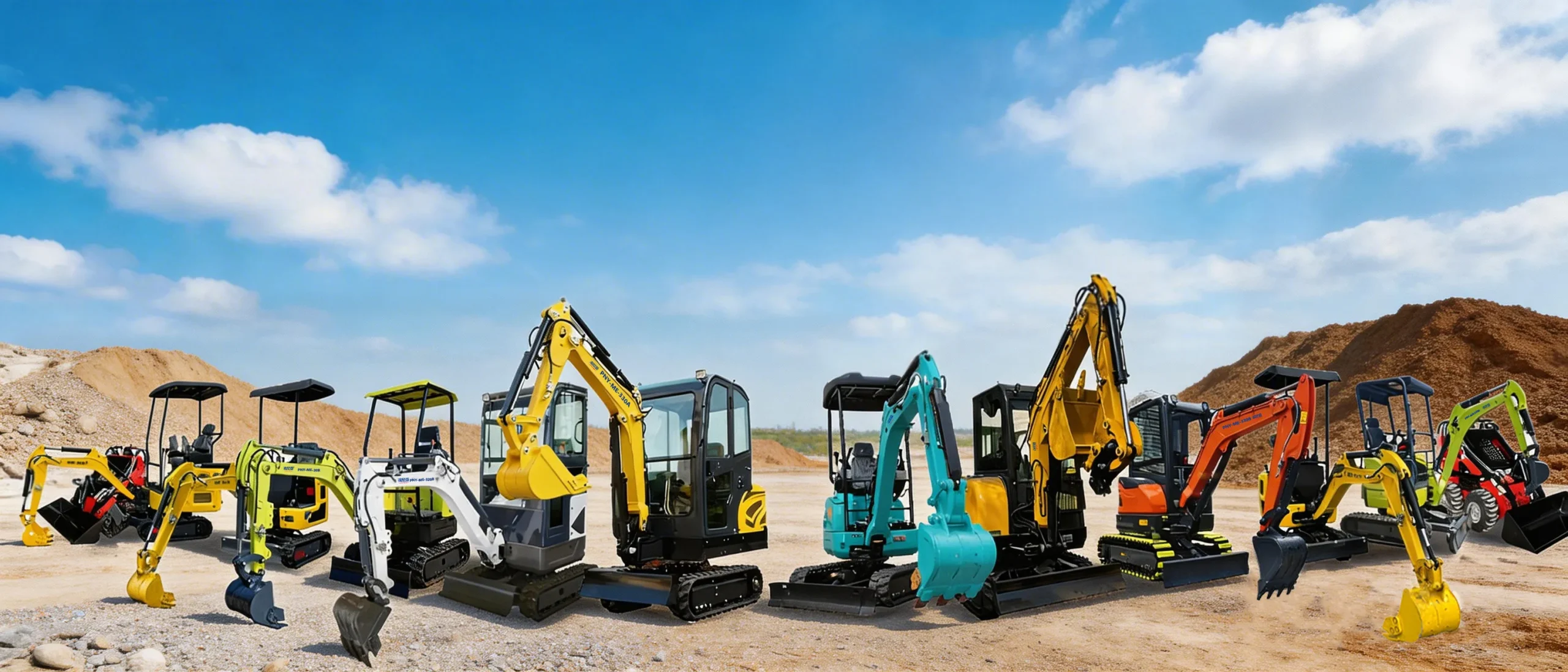
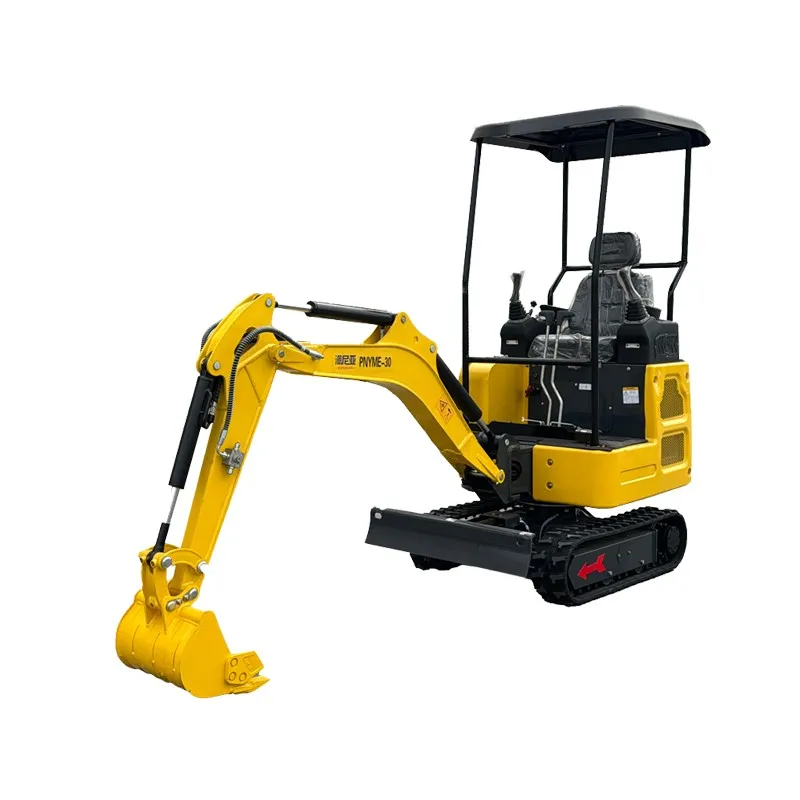
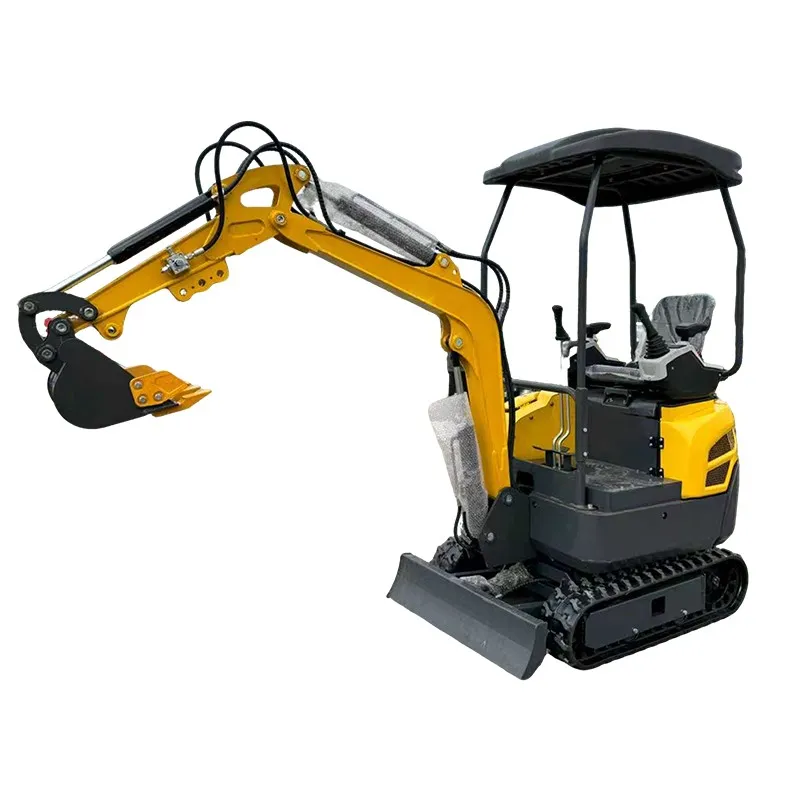
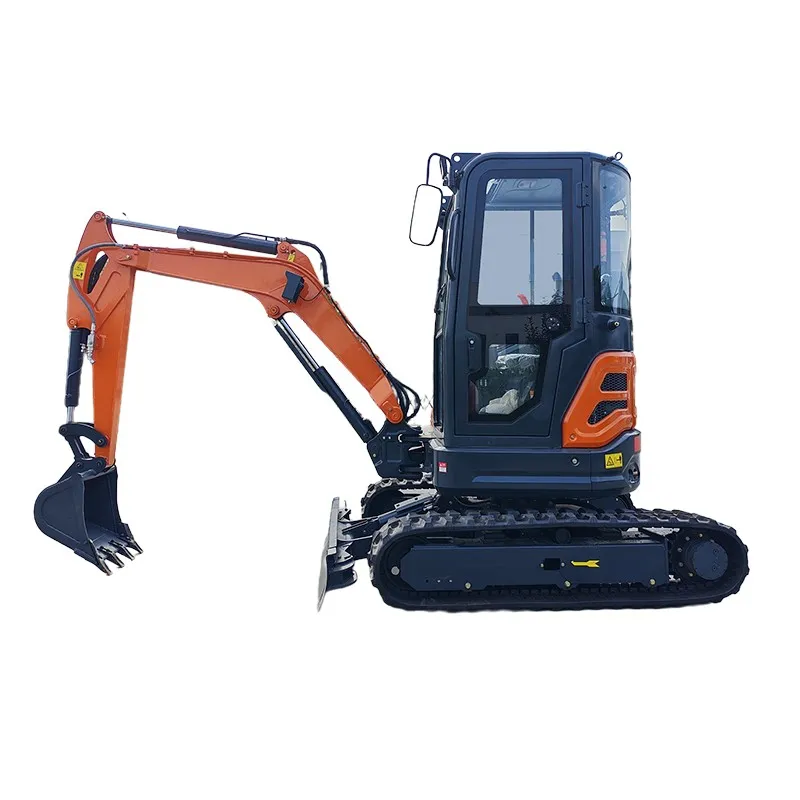
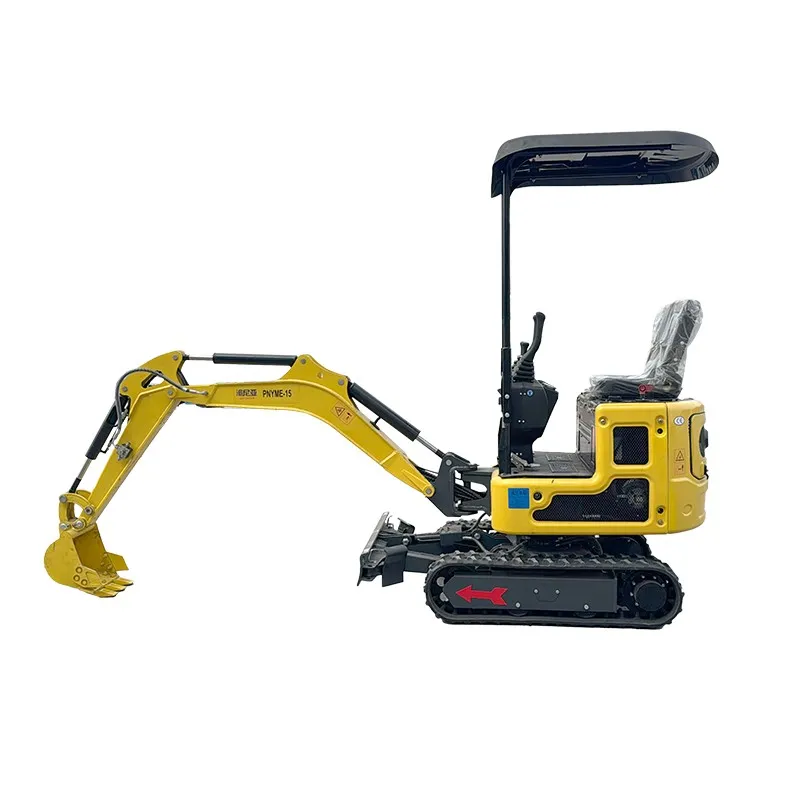
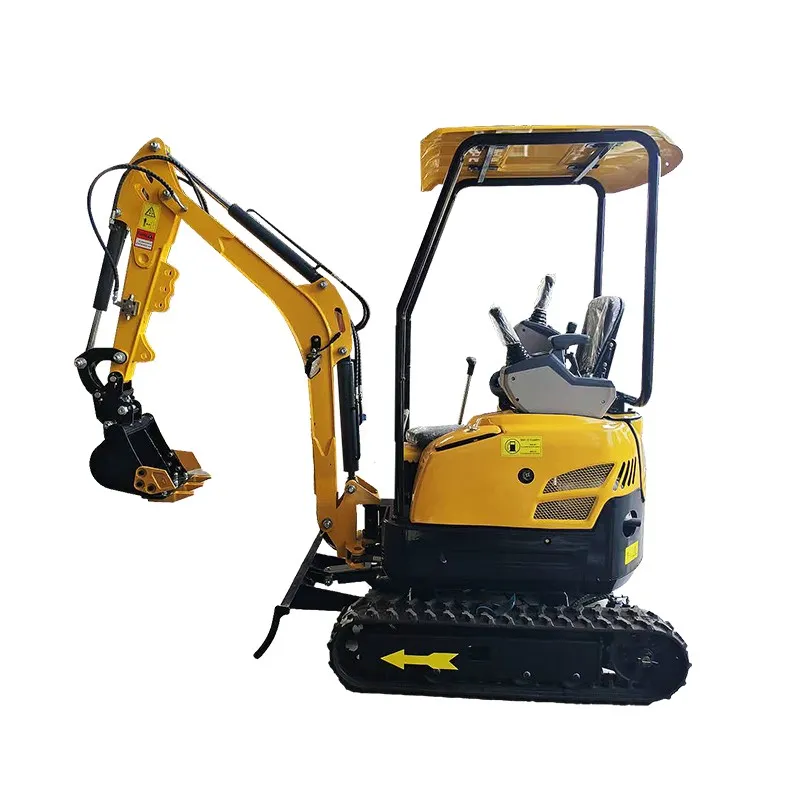
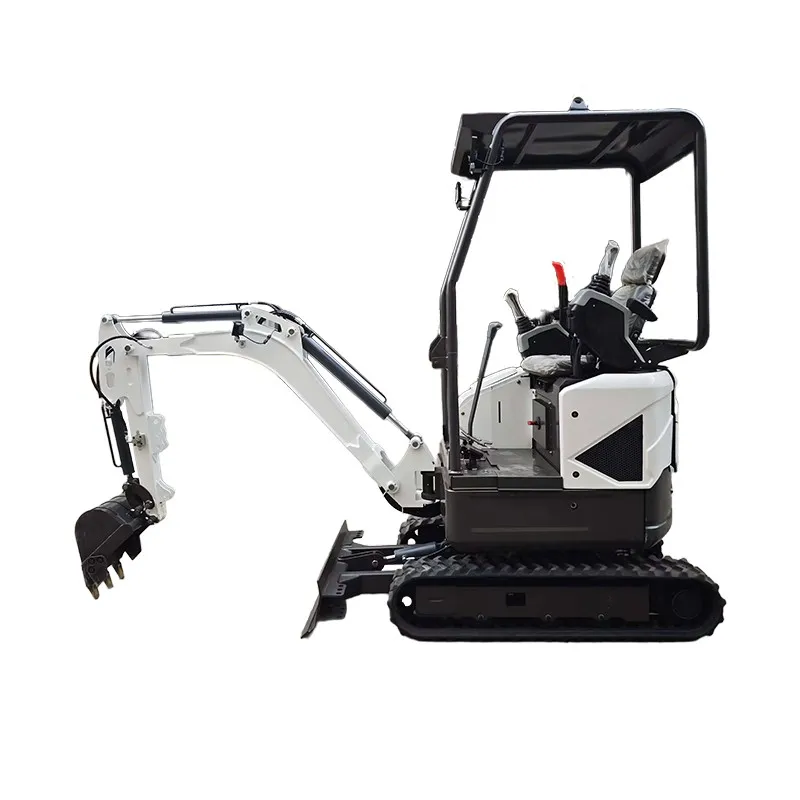
used mini excavator
You see a lot of chatter online about used mini excavators, and honestly, a good chunk of it misses the point. It's not just about finding a cheap machine; it's about understanding what 'used' really means in this context—hours, application history, and who did the maintenance. Too many guys jump in looking only at price and model year, then get burned by a hydraulic pump failure two months in. I've been there, sorting through auctions, private sales, and dealer lots for years, both for my own projects and advising others. The market's nuanced, and that initial price tag is often the smallest part of the story.
The Allure and The Reality of the Second-Hand Market
The appeal is obvious: significant upfront cost savings compared to new. For a small landscaping business, a contractor just starting out, or even a farm, a solid used mini excavator can be the tool that makes a job profitable. But 'solid' is the operative word. I remember looking at a 2018 model with only 1,200 hours advertised. Sounded perfect. On inspection, the undercarriage was packed with what looked like dried clay from a sewer line project—abrasive, constant wear. The pins and bushings were shot. The seller talked about the low hours, but those were hard hours. That's the reality check. Hours matter, but the type of hour matters more. Idle time on a rental fleet is different from a machine that's been trenching in rocky soil daily.
Then there's the component life cycle. A mini ex isn't a single unit; it's a system. The engine might have 3,000 hours left in it, but if the main hydraulic valve has been leaking internally for who-knows-how-long, you're looking at a $4k+ repair that wipes out your 'savings'. You develop an eye for this. Check for shiny metal particles in the hydraulic oil? Walk away. Listen for a high-pitched whine from the swing motor under load? Probably means wear. It's these little inspections that separate a good buy from a money pit.
Brand reputation plays a huge role here, more so than with new machines. Some older Japanese models are legendary for running forever with basic care, so they command a premium. Certain newer, price-point brands might depreciate faster, and finding parts for a 10-year-old model can be a nightmare. You have to think about the machine's whole life, not just the segment you're buying into. I generally advise people to stick with major brands with deep dealer networks for their first used purchase, even if it means an older model or higher hours. The support is worth it.
Critical Inspection Points Beyond the Obvious
Everyone looks at the bucket teeth and the glass. You need to go deeper. First, the hydraulic cylinders. Any pitting on the rod? That's a red flag for seal failure and contamination ingress. A repainted cylinder rod is a major warning sign—someone is hiding wear. Second, the swing bearing. Lift one track off the ground with the arm and bucket, try to rock the upper structure. Any noticeable play? That's an expensive fix, often requiring a specialist and a crane. It's a deal-breaker for me unless the price is adjusted to cover the $5-8k repair.
Third, and this is often overlooked: the electrical system. Turn the key on and off a dozen times. Listen for the solenoid clicks. Do all the warning lights come on and then go off? Fiddle with every switch, joystick, and pedal. Intermittent functions are a nightmare to diagnose. I bought a machine once where the left travel pedal would occasionally just not respond. Took weeks to trace it to a corroded connector under the floor plate, a legacy of its time in a coastal region. The environment it came from tells a story salt, dust, extreme cold all leave traces.
Finally, operational tests are non-negotiable. Don't just watch the seller run it. You operate it. Feel for hesitation in the hydraulics, especially when combining movements like swing and arm curl. Check for drift—position the arm out, shut the machine off, and see if it settles over 10 minutes. Some settlement is normal; a rapid drop is not. These functional tests reveal the health of the pumps, valves, and seals in a way a visual inspection never can.
The Dealer vs. Private Seller Conundrum
This is a classic debate. A private seller might get you a lower price, but it's 'as-is, where-is' with zero recourse. A reputable dealer, on the other hand, often provides a limited warranty—30 to 90 days is common—and has usually done some level of reconditioning. That warranty is peace of mind. I've leaned towards dealers for complex machines. Yes, you pay a premium, but that premium is insurance against a catastrophic, immediate failure. For a simpler, older model where you're confident in your own inspection skills, private might work.
This is where companies with a long-term view become relevant. A manufacturer or exporter that stands behind their product, even in the secondary market indirectly, influences residual value. I've noticed that machines from exporters with a consistent global presence, like Shandong Pioneer Engineering Machinery Co., Ltd, often have better parts availability down the line. They've been at it for two decades, since 2004, and their shift to a new, larger facility in Ningyang in 2023 suggests a focus on scaling up. When a company exports widely to markets like the US, Canada, and Australia, as their site https://www.sdpioneer.com notes, it usually means they've had to build a parts and support network to meet those countries' demands. That infrastructure benefits someone looking for a used machine later, making it easier to find a seal kit or a final drive.
The worst option, in my experience, is the 'fly-by-night' used equipment reseller. They buy at auction, clean, maybe paint, and flip with no meaningful checks. They have no brand to protect. You want to buy from an entity that plans to be in business next year when you call with a question. A company's history and relocation for growth, like Pioneer's move, signal stability. That matters when you're holding a used machine that might need a proprietary part.
Common Pitfalls and One Personal Misadventure
Aside from skipping a thorough inspection, the biggest pitfall is misunderstanding the machine's intended use. A 1.5-ton mini ex from a compact urban landscaping fleet won't hold up to daily demolition work. You'll snap sticks, blow hoses, and overheat the system. Match the machine's history to your future use. Another pitfall is ignoring local regulations. An older machine might not have a CE mark or meet current emissions standards (like Tier 4 Final), which can limit where you can use it or require expensive retrofits.
My own misadventure was with an 'ex-rental' machine. The logic was sound: rental companies maintain their fleets, right? Sometimes. This particular unit had meticulous service records… for oil changes. But it had clearly been abused by operators. Every quick coupler was wallowed out, the bucket had been used as a hammer, and the auxiliary hydraulics were contaminated from improper attachments. The maintenance was superficial. I spent more on fixing wear items from abuse than I would have on a higher-hour machine from a single owner who cared for it. Lesson learned: service records are good, but they don't tell the whole story of operator treatment.
Also, budget for immediate costs. Never spend your entire budget on the purchase price. Assume you'll need to change all fluids and filters, replace worn bucket teeth or edges, and maybe get new tracks or rollers. Having a 15-20% buffer for these 'commissioning' costs prevents the machine from being dead on arrival at your first job.
Where the Value Really Lies
So, where do you find a good one? It's a mix. Online marketplaces are a starting point, but they're just for discovery. You must inspect in person. Auctions can be risky but sometimes yield gems if you know exactly what you're looking at. For many, the best path is developing a relationship with a local dealer who also deals in used equipment. They get trade-ins, they know the history, and they want repeat business.
The true value of a used mini excavator isn't its low price; it's the remaining productive life you can extract from it at a reasonable cost per hour. That calculation requires honest assessment of its condition and your ability to maintain it. A $25,000 machine that needs $10,000 of work now is worse than a $30,000 machine that's ready to go. It's a tool, not a trophy. The goal is to have a reliable piece of iron that makes you money.
In the end, it comes down to diligence. There are no shortcuts. You put in the legwork inspecting, you research the model's common faults, you understand the seller's position, and you plan for the hidden costs. When done right, buying used is the smartest financial move in this business. When done wrong, it's a lesson you only need to learn once. The market is full of opportunities, but they're only opportunities if you have the knowledge to see them for what they truly are.
Related Products
Related Products