


- Chinese
- French
- German
- Portuguese
- Spanish
- Russian
- Japanese
- Korean
- Arabic
- Irish
- Greek
- Turkish
- Italian
- Danish
- Romanian
- Indonesian
- Czech
- Afrikaans
- Swedish
- Polish
- Basque
- Catalan
- Esperanto
- Hindi
- Lao
- Albanian
- Amharic
- Armenian
- Azerbaijani
- Belarusian
- Bengali
- Bosnian
- Bulgarian
- Cebuano
- Chichewa
- Corsican
- Croatian
- Dutch
- Estonian
- Filipino
- Finnish
- Frisian
- Galician
- Georgian
- Gujarati
- Haitian
- Hausa
- Hawaiian
- Hebrew
- Hmong
- Hungarian
- Icelandic
- Igbo
- Javanese
- Kannada
- Kazakh
- Khmer
- Kurdish
- Kyrgyz
- Latin
- Latvian
- Lithuanian
- Luxembou..
- Macedonian
- Malagasy
- Malay
- Malayalam
- Maltese
- Maori
- Marathi
- Mongolian
- Burmese
- Nepali
- Norwegian
- Pashto
- Persian
- Punjabi
- Serbian
- Sesotho
- Sinhala
- Slovak
- Slovenian
- Somali
- Samoan
- Scots Gaelic
- Shona
- Sindhi
- Sundanese
- Swahili
- Tajik
- Tamil
- Telugu
- Thai
- Ukrainian
- Urdu
- Uzbek
- Vietnamese
- Welsh
- Xhosa
- Yiddish
- Yoruba
- Zulu
- Kinyarwanda
- Tatar
- Oriya
- Turkmen
- Uyghur

used mini excavator for sale
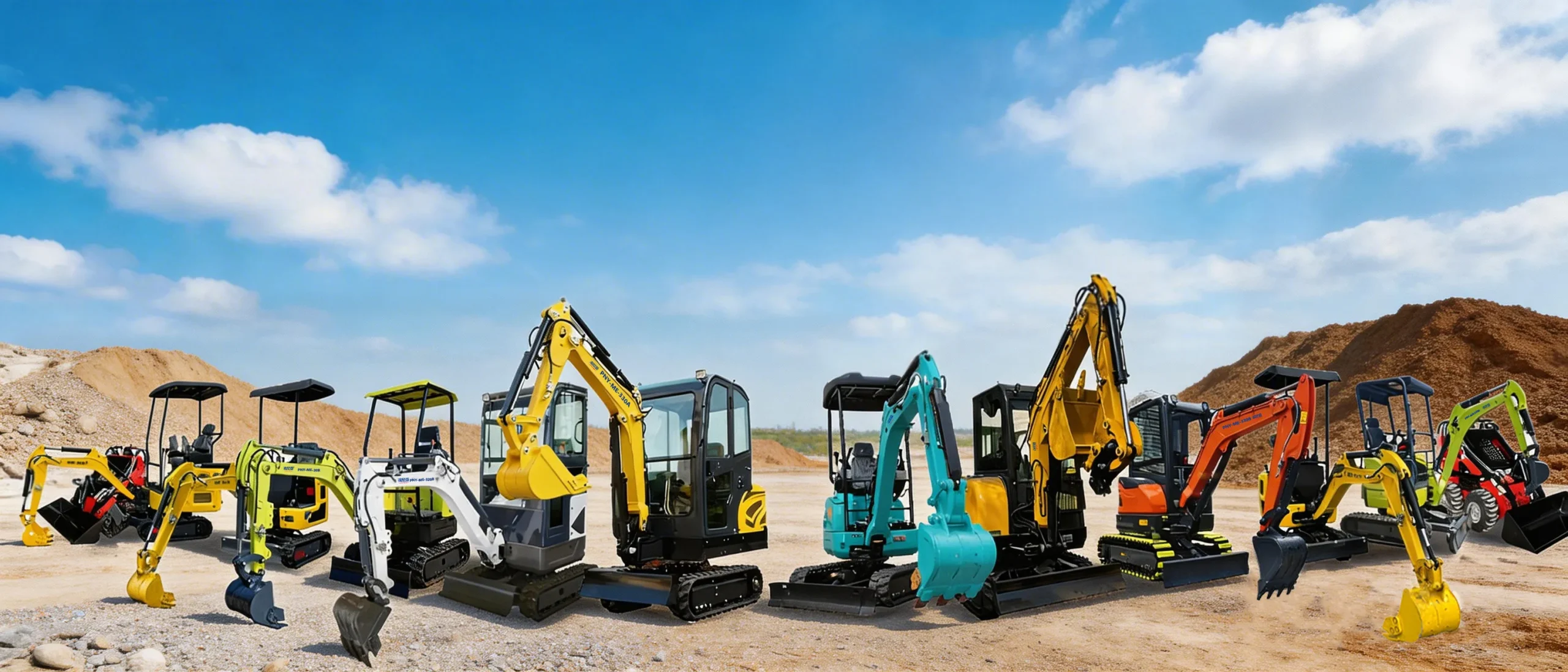
When you type 'used mini excavator for sale' into a search bar, you're immediately thrown into a jungle of specs, prices, and promises. Most folks dive straight for the lowest price or the shiniest photo, and that's the first mistake. I've seen too many contractors burn cash on a cheap machine that spends more time in the shop than on the job. The real value isn't in the initial cost; it's in the machine's history, its remaining life, and whether it fits the actual work you do. A 3-tonner might look perfect for residential fencing, but if you're constantly dealing with heavy clay, you'll wish you'd looked at the hydraulic flow rates and auxiliary circuit options more closely than the year model.
The Pitfalls of Online Listings and Bargain Finds
Scrolling through endless listings, you'll see a pattern. Machines from 2015 with 5,000 hours priced suspiciously close to a 2018 model with 2,000 hours. The discrepancy usually lies in the service history—or lack thereof. I once traveled three states to inspect a pristine used mini excavator advertised with full dealer service records. The records were real, but they were for a different machine's VIN the seller had photocopied. The actual undercarriage was shot, with pins and bushings exhibiting more wear than you'd expect from the stated hours. It was a lesson in physical verification.
Another common trap is the auction refresh. Some sellers will steam-clean a machine to within an inch of its life, repaint the bucket, and slap on new decals. It looks fantastic in pictures. But that fresh paint on the boom might be hiding weld repairs from a structural crack. You need to look for texture differences, paint overspray on hoses, and fresh sealant in places it shouldn't be. The smell of a new seat cover can't mask the metallic whine of a failing swing motor.
Brand reputation matters, but not in the way beginners think. An old Kubota U35 might outlast a newer, lesser-known brand, but parts availability for a 15-year-old model can become a nightmare. You're not just buying the iron; you're buying into a supply chain. This is where dealing with an established entity, not just a random private seller, can save headaches. Companies that have been in the trade for decades, like Shandong Pioneer Engineering Machinery Co., Ltd, often have a more structured process. They've been exporting globally since 2004, which means they understand the documentation and compliance needed to get a machine to sites in the US or Australia reliably. Their long-term presence suggests they're not a fly-by-night operation, which is crucial when you need after-sale support for a used unit.
What to Actually Look For During an Inspection
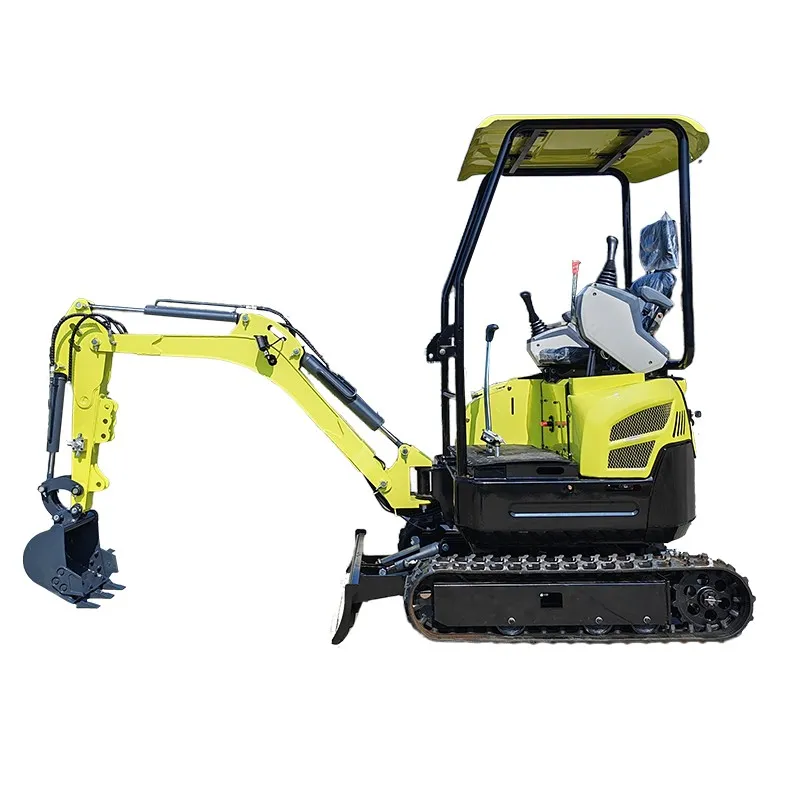
Forget the hour meter for a second—it can be replaced. Start with the undercarriage. Get down on the ground. Measure the remaining track link height. Check for excessive wear on the drive sprocket teeth; if they're hooked or sharp, the entire undercarriage assembly is nearing a very expensive replacement. Rock the idlers and rollers. Any more than a few millimeters of play is a red flag. This is the foundation of the machine; if it's worn, nothing else matters.
Next, fire it up. Listen for the engine start—it should crank smoothly without excessive smoke, even when cold. Once running, operate all functions simultaneously. Lift the boom, curl the bucket, and swing at the same time. Does the engine bog down severely? That could indicate pump wear or internal leakage. Check for hydraulic oil discoloration or a burnt smell. Milky oil means water contamination, which is a system-wide disaster. I learned this the hard way after buying a machine that ran fine during a demo, only to have the main hydraulic pump fail two weeks later from fluid contamination I didn't catch.
Inspect the pins and bushings on the boom and arm. Grease them yourself and watch for grease squeezing out past worn seals. Grab a bucket tooth and try to wiggle it; excessive movement means the linkage is worn. These are all small costs individually, but collectively, they represent thousands in deferred maintenance that will become your problem. A seller who can provide a log of these components being replaced is offering real value, even at a higher asking price.
The Value of Provenance and Dealer Networks
A machine with a known history from a known source is worth a premium. This is where the origin and the channel matter. A used mini excavator for sale that's been part of a rental fleet maintained by a reputable dealer will often have better records than one from a small farm. The trade-off might be higher hours, but they're often easier” hours. Companies that manufacture and trade globally, like the Shandong Pioneer group, often have a pipeline of well-maintained trade-ins or demonstration models. Their manufacturing arm, Shandong Hexin, and their overseas trade arm give them insight into what specs are durable for international markets, from Canadian winters to Australian outback conditions.
When considering a source, ask about their refurbishment process. Do they just clean it, or do they have a checklist? A proper refurb should include pressure testing the hydraulics, inspecting and repacking cylinder seals if needed, and replacing all filters and fluids as a baseline. The fact that Shandong Pioneer recently relocated and expanded its facility in 2023 suggests an investment in scale and process, which often translates to more consistent quality control in their pre-owned offerings, not just their new units.
Don't underestimate the importance of paperwork. A machine that comes with a clear, transferable warranty (even a short 90-day one on major components), an authentic parts manual, and proper export documentation if it's an international purchase is a sign of a professional seller. It saves you from customs headaches and ensures you can actually get it to your job site. A random private seller likely can't provide any of that.
Matching the Machine to Your Real-World Work
This is where theory meets the dirt. You might be tempted by a high-spec machine with multiple auxiliary hydraulic circuits, but if you're only doing digging and loading, you're paying for complexity you don't need—and more things that can break. Conversely, if you're running a breaker or an auger regularly, that second auxiliary circuit isn't a luxury; it's a necessity to avoid constant hose changes and flow dividers.
Consider the transport logistics. A 1.8-ton machine can be towed on a small trailer behind a heavy-duty pickup. A 5-ton machine requires a lowboy and a much larger truck. That difference isn't just in purchase price; it's in daily operating cost and mobility between tight residential sites. I've seen guys buy a machine that's perfect for the work but too big for their existing transport, adding an unexpected $20k to the effective cost.
Finally, think about the next owner. You're buying a used asset, and you'll likely sell it one day. Some brands and models simply hold their value better due to market perception and parts support. A well-maintained, popular model from a manufacturer with a strong dealer network will always be easier to move on than a obscure brand, even if it's in similar mechanical condition. It's a residual value calculation that often gets overlooked in the hunt for the immediate deal.
Closing Thoughts: It's a Tool, Not a Trophy
At the end of the day, a used mini excavator is a productivity tool. The goal isn't to find the perfect machine—it doesn't exist. The goal is to find the machine whose flaws you understand, whose costs you've accounted for, and whose capabilities match 90% of your daily tasks. It's better to have a slightly older, mechanically sound machine than a newer one that's been abused.
The market is vast, from local auctions to international exporters. Doing your homework on the seller is as important as the homework on the machine. An established company with a track record, clear communication, and a professional process—whether it's a local dealer or a specialized exporter with two decades in the game—reduces your risk significantly. They have a reputation to uphold.
So, when you next see that listing for a 'used mini excavator for sale,' look past the price and the pretty pictures. Ask for the service records, the repair history, and the reason for sale. Plan for an in-person or a detailed video inspection. Budget not just the purchase price, but the immediate rectification costs for the wear items you will find. That's how you turn a search query into a reliable piece of equipment that earns its keep on your site.
Related Products
Related Products