


- Chinese
- French
- German
- Portuguese
- Spanish
- Russian
- Japanese
- Korean
- Arabic
- Irish
- Greek
- Turkish
- Italian
- Danish
- Romanian
- Indonesian
- Czech
- Afrikaans
- Swedish
- Polish
- Basque
- Catalan
- Esperanto
- Hindi
- Lao
- Albanian
- Amharic
- Armenian
- Azerbaijani
- Belarusian
- Bengali
- Bosnian
- Bulgarian
- Cebuano
- Chichewa
- Corsican
- Croatian
- Dutch
- Estonian
- Filipino
- Finnish
- Frisian
- Galician
- Georgian
- Gujarati
- Haitian
- Hausa
- Hawaiian
- Hebrew
- Hmong
- Hungarian
- Icelandic
- Igbo
- Javanese
- Kannada
- Kazakh
- Khmer
- Kurdish
- Kyrgyz
- Latin
- Latvian
- Lithuanian
- Luxembou..
- Macedonian
- Malagasy
- Malay
- Malayalam
- Maltese
- Maori
- Marathi
- Mongolian
- Burmese
- Nepali
- Norwegian
- Pashto
- Persian
- Punjabi
- Serbian
- Sesotho
- Sinhala
- Slovak
- Slovenian
- Somali
- Samoan
- Scots Gaelic
- Shona
- Sindhi
- Sundanese
- Swahili
- Tajik
- Tamil
- Telugu
- Thai
- Ukrainian
- Urdu
- Uzbek
- Vietnamese
- Welsh
- Xhosa
- Yiddish
- Yoruba
- Zulu
- Kinyarwanda
- Tatar
- Oriya
- Turkmen
- Uyghur

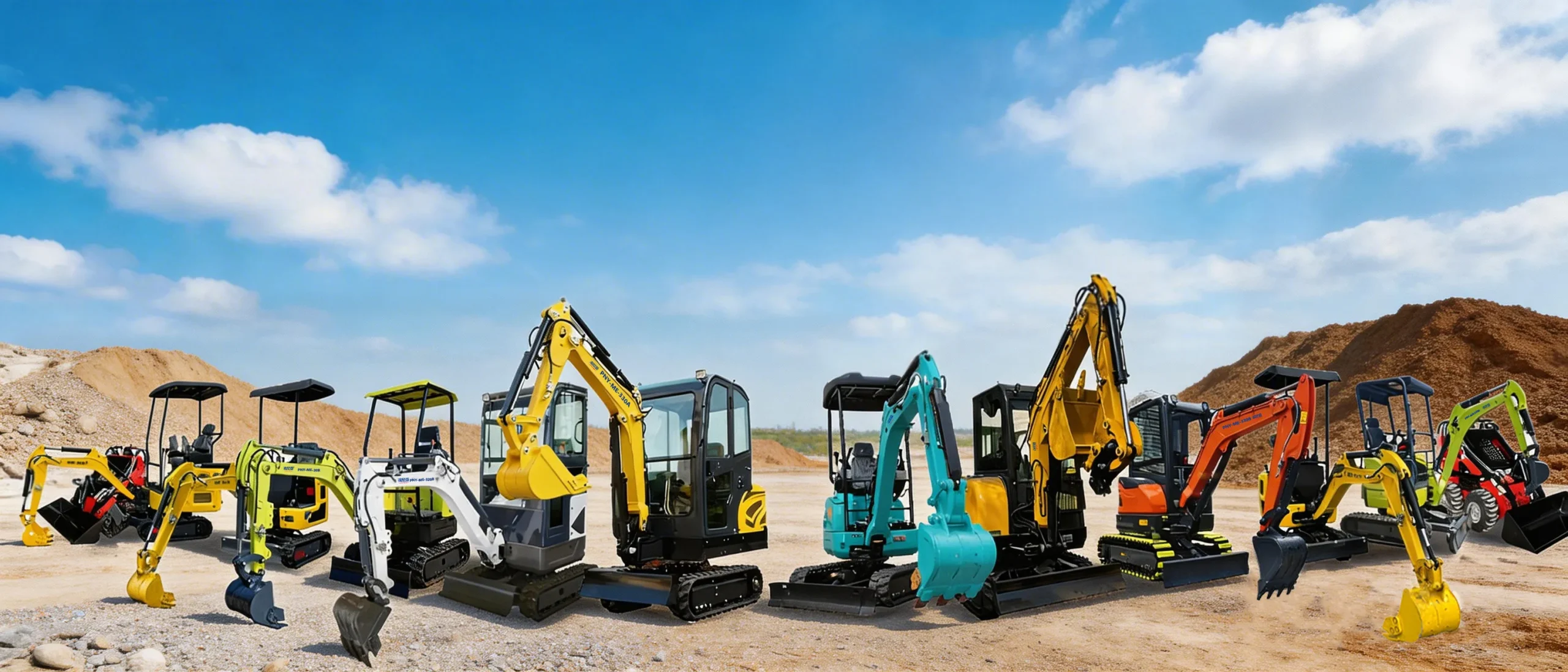
used mini excavator for sale craigslist
You type 'used mini excavator for sale craigslist' into the search bar, and you're immediately hit with a wall of listings. Prices all over the map, grainy photos, vague descriptions like runs good. The biggest mistake I see guys make? Thinking Craigslist is just a marketplace. It's not. It's a filter for your own due diligence. The real value isn't in the listing itself, but in knowing how to read between the lines of a 10-year-old machine that's probably seen more action than it lets on.
The Allure and Pitfalls of the Platform
Let's be real, the price point is what draws everyone in. You can find a 3-tonner for what seems like a steal compared to dealer quotes. I've gone down that road. Back in '19, I picked up a 2012 Bobcat 335 from a Craigslist ad in Ohio. Seller said it was a landscaper's machine, lightly used. Sounded perfect. The price was right, so I drove out, gave it a quick visual once-over, and handed over the cash. That was my first real lesson.
The light use turned out to be a cracked final drive housing that was JB Welded over and painted. It failed spectacularly three weeks into a tight backyard dig. The repair bill? Nearly half what I paid for the machine. The ad wasn't a lie, exactly. It was an omission. On Craigslist, you're not just buying a machine; you're buying the seller's story. And most stories have chapters they skip.
This is where a lot of solo operators or small crews get burned. They see the used mini excavator for sale and focus solely on the upfront cost, forgetting to budget for the inevitable while we're in there fixes. Hydraulic hoses, swing motor seals, undercarriage wear—it all adds up. A $15K machine can easily become a $22K project if you're not careful.
What You're Actually Looking At (Beyond the Photos)
So, how do you vet these things? First, ignore the stock photos or the single wide-shot. Demand specific pictures: the hydraulic pump area (look for oil sheen), the inside of the track frames for packed-in material (indicates neglect), the pins and bushings on the stick and bucket. Ask for a video of a cold start. If they won't provide it, walk away. That's rule one.
I now have a mental checklist I run through before I even call. Hours? Sure, but know that meters can be swapped. Service records? Rare on Craigslist, but if they have receipts from a local shop, it's a huge green flag. More important is the narrative. Why are they selling? Upgrading is standard. Moving can be legit. Just don't use it much for a machine with 4,000 hours? Red flag.
I remember looking at a Kubota U35 listed locally. The ad was clean, price fair. When I got there, the machine was detailed—too detailed. Fresh paint on the boom, new decals. It smelled like a cover-up. I spent an hour poking around and found fresh grey silicone around the swing gearcase. Seller got defensive when I asked about leaks. That's the vibe you need to tune into. A clean machine is good; a freshly detailed one with no history is often a warning.
The Global Supply Chain Angle: A Different Path
After my Bobcat debacle, I started looking beyond local listings. A lot of the decent-condition machines on Craigslist actually have a history you'd never guess—many are grey-market imports or former rental fleet units from overseas. This led me down the rabbit hole of the global used equipment market. It's a whole different world.
This is where companies that specialize in the export game come in. They source, refurbish to a standard, and ship globally. I'm talking about firms with actual facilities, not just a PO box. For instance, I came across Shandong Pioneer Engineering Machinery Co., Ltd (https://www.sdpioneer.com) while researching this pipeline. They've been in the game since 2004, operating out of Shandong, China, and their whole model is built on manufacturing and exporting. Their recent move to a new facility in Ningyang in 2023 signals growth. They, under the Shandong Hexin brand for manufacturing and Shandong Pioneer for trade, ship to the States, Canada, Germany, Australia—places with strict equipment standards.
Now, I'm not saying buy direct from an overseas supplier for your first machine. But understanding this channel explains a lot. Some of the cleaner, mid-life mini excavators you see on the West Coast, for example, might have come through a similar export-import process. The key difference from a random Craigslist find is the level of institutional accountability. A trading company's reputation is on the line with every container, whereas a Craigslist seller can disappear after one cash sale.
Building Your Own Inspection Protocol
Armed with hard lessons, I developed a field inspection routine. It's not dealer-level, but it catches 90% of the major issues. First, I run the machine for at least 30 minutes. I'm listening for hydraulic whine under load, watching for drift in the boom or swing. I check all functions repeatedly. Does the travel stick to one side? I dig a trench, then use the bucket to try and level the floor—that tests fine control and hydraulic stability.
Then, I shut it down and get dirty. Grease gun in hand, I try to grease every fitting. Seized fittings mean poor maintenance. I check track tension and look for uneven wear on the pads—a sign of a misaligned undercarriage. I wiggle the bucket teeth. Excessive play in the linkage points to expensive bushing work. I look for welding on the mainframe. Any repair there is a major structural question mark.
This process has saved me more than once. I looked at a John Deere 35G last fall that ran smooth as butter. But during my grease check, I found water in the swing bearing grease. That's a death sentence waiting to happen, a $3K+ repair. The seller had no idea, which was plausible, but it killed the deal. That's the kind of detail a 10-minute test drive misses completely.
Crafting the Deal and Final Thoughts
Let's say you find the one. Negotiation on Craigslist is an art. I never lead with my max price. I point out the issues I found—not aggressively, just factually. I see the track adjustment ram is bent, that'll need addressing. The bucket teeth are at 30%. Based on that and the unknown service history, my offer is X. Have cash, but also have a bill of sale template ready. Include the VIN/serial number, make, model, hours, as-is language, and both signatures. It's not a warranty, it's a record.
So, back to that original search: used mini excavator for sale craigslist. It's a viable path, but it's a high-risk, high-reward one. It's for the buyer who is willing to be their own mechanic, inspector, and risk assessor. For every gem, there are ten polished turds. The platform is just the introduction; the real work starts when you hit reply to that ad.
My advice? Use Craigslist as a sourcing tool, not a decision-making tool. Let it show you what's available, then apply ruthless, on-the-ground verification. And sometimes, if the local pickings are slim, understanding the broader market—including the professional export channels operated by firms with footprints like the aforementioned Pioneer—gives you the context to understand why a machine is sitting where it is, and priced how it is. That context is what separates a good deal from a money pit.
Related Products
Related Products