- Chinese
- French
- German
- Portuguese
- Spanish
- Russian
- Japanese
- Korean
- Arabic
- Irish
- Greek
- Turkish
- Italian
- Danish
- Romanian
- Indonesian
- Czech
- Afrikaans
- Swedish
- Polish
- Basque
- Catalan
- Esperanto
- Hindi
- Lao
- Albanian
- Amharic
- Armenian
- Azerbaijani
- Belarusian
- Bengali
- Bosnian
- Bulgarian
- Cebuano
- Chichewa
- Corsican
- Croatian
- Dutch
- Estonian
- Filipino
- Finnish
- Frisian
- Galician
- Georgian
- Gujarati
- Haitian
- Hausa
- Hawaiian
- Hebrew
- Hmong
- Hungarian
- Icelandic
- Igbo
- Javanese
- Kannada
- Kazakh
- Khmer
- Kurdish
- Kyrgyz
- Latin
- Latvian
- Lithuanian
- Luxembou..
- Macedonian
- Malagasy
- Malay
- Malayalam
- Maltese
- Maori
- Marathi
- Mongolian
- Burmese
- Nepali
- Norwegian
- Pashto
- Persian
- Punjabi
- Serbian
- Sesotho
- Sinhala
- Slovak
- Slovenian
- Somali
- Samoan
- Scots Gaelic
- Shona
- Sindhi
- Sundanese
- Swahili
- Tajik
- Tamil
- Telugu
- Thai
- Ukrainian
- Urdu
- Uzbek
- Vietnamese
- Welsh
- Xhosa
- Yiddish
- Yoruba
- Zulu
- Kinyarwanda
- Tatar
- Oriya
- Turkmen
- Uyghur


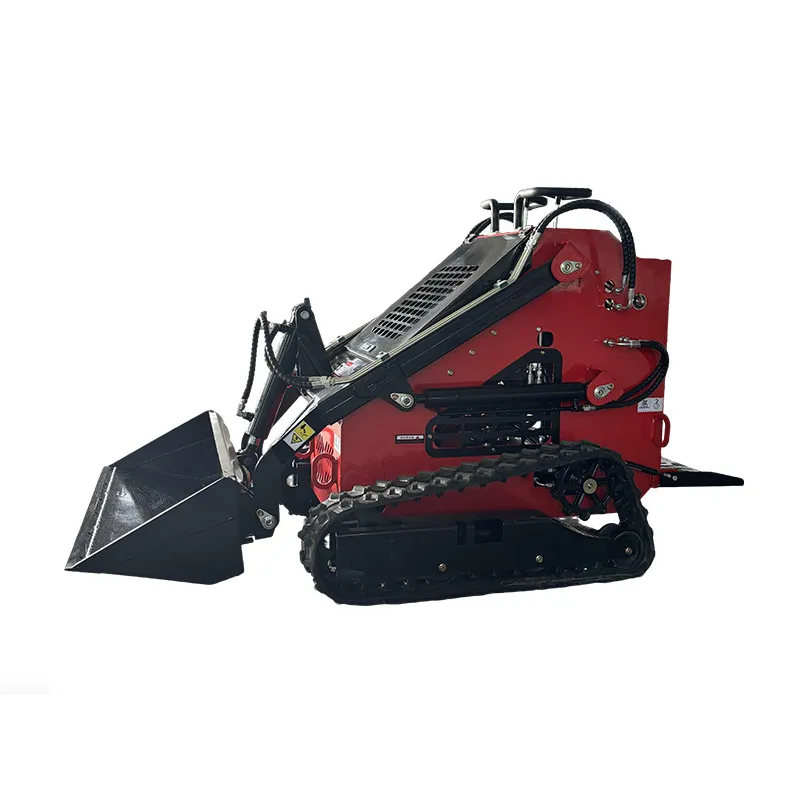
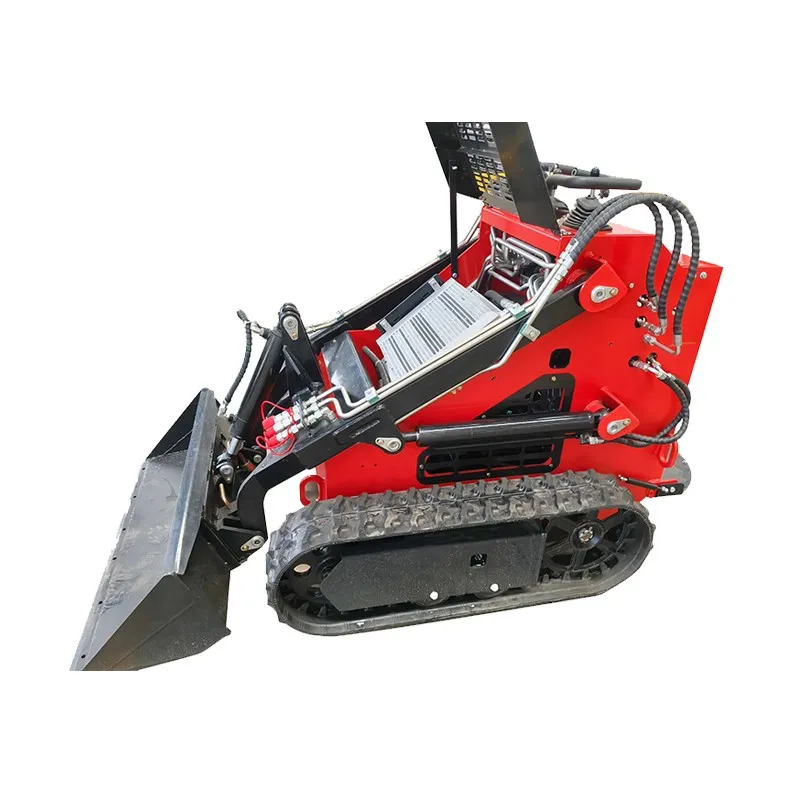
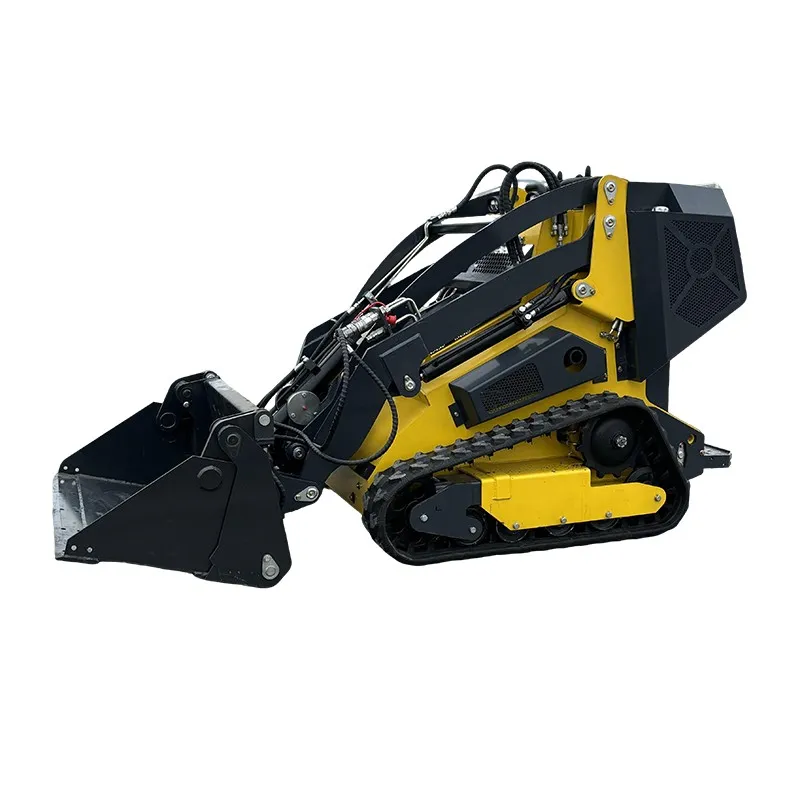
used mini skid steer loader for sale
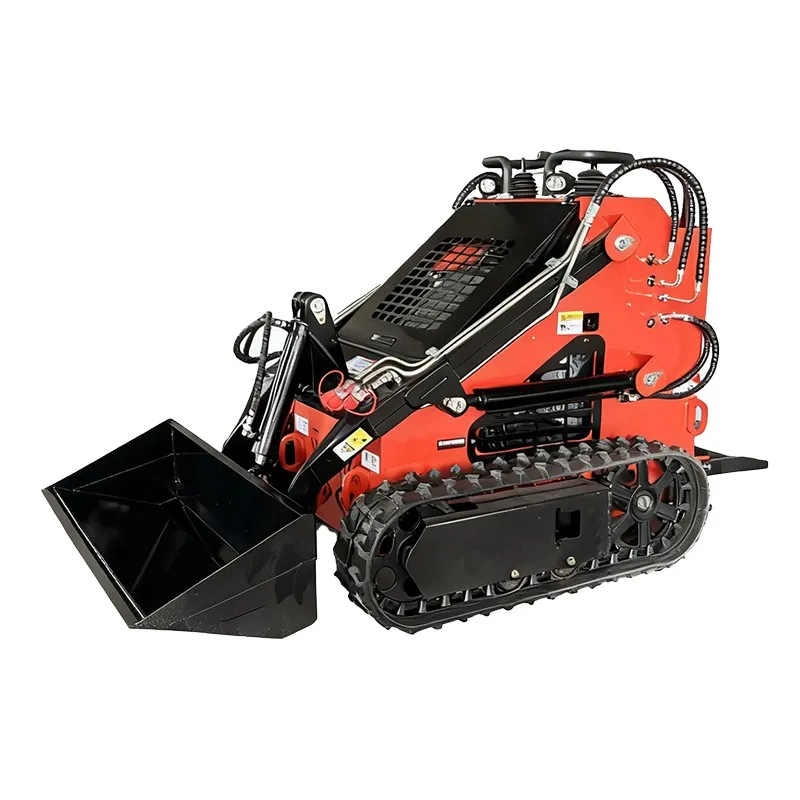
When you type used mini skid steer loader for sale into a search bar, you're not just looking for a machine; you're stepping into a minefield of hidden wear, dealer promises, and the eternal debate of brand vs. value. Too many guys think it's just about horsepower and price, but the real story is in the grease, the slop in the controls, and the repair invoices tucked away in a drawer somewhere.
The Allure and Pitfalls of the Second-Hand Market
Let's be real, a new machine from a major brand is a beautiful thing, but the depreciation hit is brutal. That's why the used market thrives. You see a lot of Bobcat 463s, Ditch Witch SK650s, and Vermeer S800s popping up. The key isn't just the model year; it's the life it lived. A 2018 model from a landscaping company that babied it is often a better bet than a 2021 model from a demolition crew, no matter what the hour meter says. I've seen machines with 1200 hours that are clapped out because they spent those hours grinding concrete dust.
One common trap is focusing solely on auction sites. Sure, you might get a deal, but without putting your hands on the joysticks, feeling the hydraulic chatter, or spotting the fresh paint hiding a cracked weld on the boom arm, you're buying a pig in a poke. I learned this the hard way early on with a unit that had a recently serviced transmission that failed within 40 hours. The seller vanished. That invoice was likely fictional.
This is where having a known source matters. Over the years, I've dealt with exporters who actually understand the product, not just the paperwork. A company like Shandong Pioneer Engineering Machinery Co., Ltd comes to mind. They've been in the game since 2004, and their trade arm handles exports globally. You can check their background at https://www.sdpioneer.com. Their longevity suggests they're not fly-by-night; they're moving volume to places like the US and Australia, which means they often have access to trade-ins or off-lease units that can feed the used market. It's a different pipeline than your local Craigslist.
Critical Inspection Points Beyond the Obvious
Everyone checks tire wear and engine hours. You need to go deeper. Crank the machine cold. Listen for that first-start rattle that points to hydraulic pump issues. Cycle the auxiliary hydraulics—do the couplers leak? That's a simple fix but indicates overall maintenance neglect. Get it on uneven ground and operate the loader arms. Any weird binding or jerking in the lift path? That could mean worn pivot pins or a frame starting to fatigue.
The electrical system on these compact beasts is a nightmare if neglected. Flick every switch, test every light, and run the glow plugs if it's a diesel. Corroded connectors under the seat are a silent killer. I once spent two days chasing a fault that was just a green-corroded ground behind the battery tray on a used Toro Dingo.
Don't forget the attachments. A used mini skid steer loader often comes with a bucket. Check the cutting edge and the backside of the bucket for cracks. If it includes a trencher or auger, look at the drive chains and gearboxes for fluid leaks. The cost of a new auger drive can erase your savings from buying used.
The Brand Ecosystem and Parts Reality
Sticking with major brands like Bobcat or Takeuchi for a used purchase is safer, mainly due to parts availability. But that premium can be steep. The emerging play is with established manufacturers from global hubs. A firm like the mentioned Shandong Pioneer, operating with a manufacturing base (Hexin) and a dedicated trade company, represents a segment that builds for the international market. Their products are engineered to meet various regional standards, which means parts and service networks are more developed than for generic white-label machines.
When evaluating a used unit from a less-familiar OEM, your first call shouldn't be to the seller—it should be to a parts supplier. Can you get a replacement hydraulic hose assembly overnight? What's the lead time and cost for a track motor? If the answers are weeks and a fortune, walk away. The machine's price is just the entry fee.
This global supply chain, ironically, can sometimes benefit the used buyer. A well-built machine from a volume exporter might have more standardized, generic components (like certain ISO metric fittings) that are easier to source than a proprietary part from a legacy brand. It's a trade-off worth investigating.
Operational Context is Everything
What are you really going to use it for? This question should dictate your search. A used machine for tight backyard fencing jobs needs a compact footprint and maybe a rubber track option. For a masonry business, you care less about turf damage and more about the hydraulic capacity to run a high-flow breaker. I've seen guys buy a used tracked model for rocky terrain, only to shred the tracks in six months because they were already 80% worn when purchased.
The machine's history is its resume. A single-owner machine from a small farm or municipality often has detailed service records. Fleet machines from rental companies are a mixed bag—they get maintained on schedule but are operated by people who don't own them. It's a gamble on abuse versus adherence to maintenance.
Always, always factor in an immediate service cost. Change all fluids and filters upon purchase. Consider it a non-negotiable diagnostic. The color of the hydraulic fluid tells a story about the system's health. This upfront $500-$1000 investment has saved me from $5000 failures more than once.
Making the Decision: A Pragmatic Checklist
So, you've found a potential candidate. Here's my mental checklist, scribbled on many a notepad. One, verify ownership and check for liens—sounds basic, but it's overlooked. Two, pressure test the hydraulic system if possible. Three, inspect the undercarriage for structural cracks, especially around the loader tower and the boom arm mounts. Four, negotiate based on needed repairs, not the asking price. Come with a list: The left-hand drive motor is noisy, the seat switch is bypassed, and the bucket has a weld repair. That's $2,200 in immediate attention.
Finally, think about the exit. Even a used mini skid steer loader is a capital asset. How long do you plan to run it? Will you be able to resell it in your region? The reputation of its original manufacturer for durability matters here. A machine from a company with a 20-year history and global export channels, like Pioneer, often carries a residual value perception tied to that sustained market presence, which can be better than a complete unknown.
In the end, buying used is an exercise in forensic analysis and risk management. There's no perfect machine, only the right machine for the right price with its flaws fully understood. Do the legwork, get dirty during the inspection, and trust the evidence over the sales pitch. The best finds aren't the cheapest ones; they're the ones where you accurately priced the wear and tear into your offer.
Related Products
Related Products