


- Chinese
- French
- German
- Portuguese
- Spanish
- Russian
- Japanese
- Korean
- Arabic
- Irish
- Greek
- Turkish
- Italian
- Danish
- Romanian
- Indonesian
- Czech
- Afrikaans
- Swedish
- Polish
- Basque
- Catalan
- Esperanto
- Hindi
- Lao
- Albanian
- Amharic
- Armenian
- Azerbaijani
- Belarusian
- Bengali
- Bosnian
- Bulgarian
- Cebuano
- Chichewa
- Corsican
- Croatian
- Dutch
- Estonian
- Filipino
- Finnish
- Frisian
- Galician
- Georgian
- Gujarati
- Haitian
- Hausa
- Hawaiian
- Hebrew
- Hmong
- Hungarian
- Icelandic
- Igbo
- Javanese
- Kannada
- Kazakh
- Khmer
- Kurdish
- Kyrgyz
- Latin
- Latvian
- Lithuanian
- Luxembou..
- Macedonian
- Malagasy
- Malay
- Malayalam
- Maltese
- Maori
- Marathi
- Mongolian
- Burmese
- Nepali
- Norwegian
- Pashto
- Persian
- Punjabi
- Serbian
- Sesotho
- Sinhala
- Slovak
- Slovenian
- Somali
- Samoan
- Scots Gaelic
- Shona
- Sindhi
- Sundanese
- Swahili
- Tajik
- Tamil
- Telugu
- Thai
- Ukrainian
- Urdu
- Uzbek
- Vietnamese
- Welsh
- Xhosa
- Yiddish
- Yoruba
- Zulu
- Kinyarwanda
- Tatar
- Oriya
- Turkmen
- Uyghur

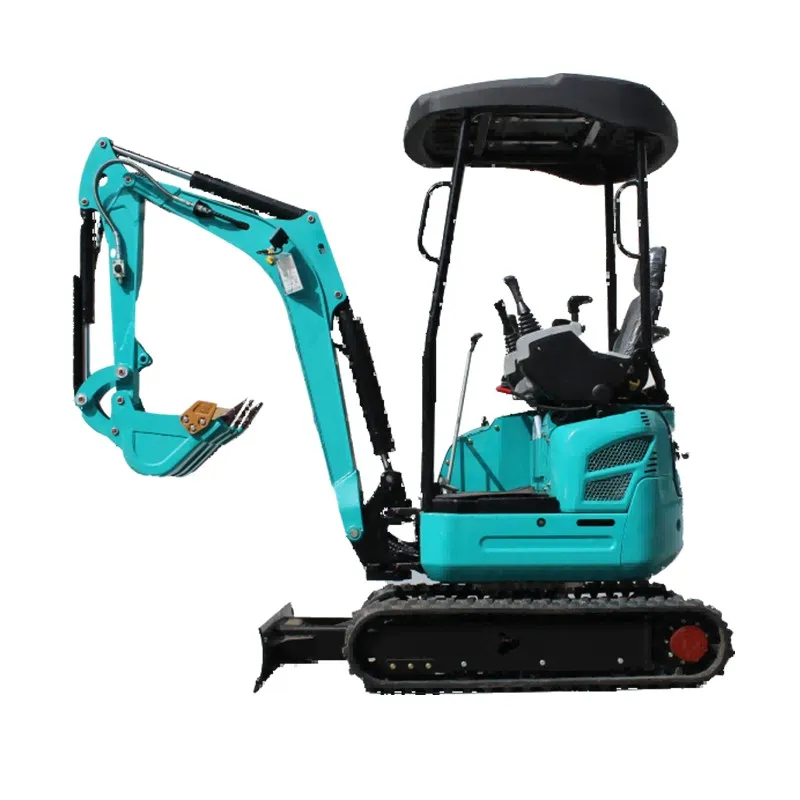
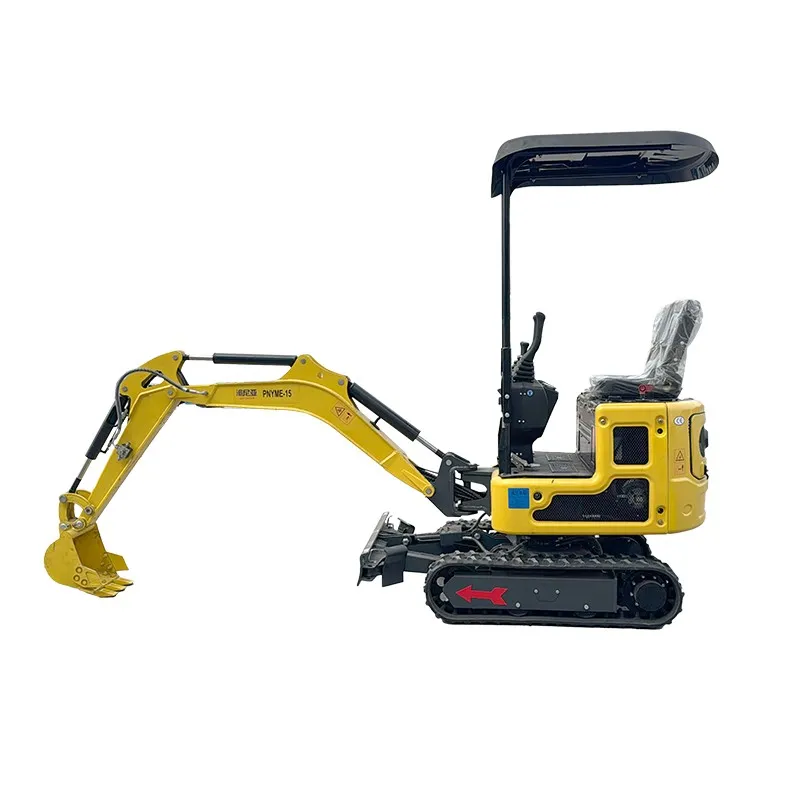
volvo mini excavator
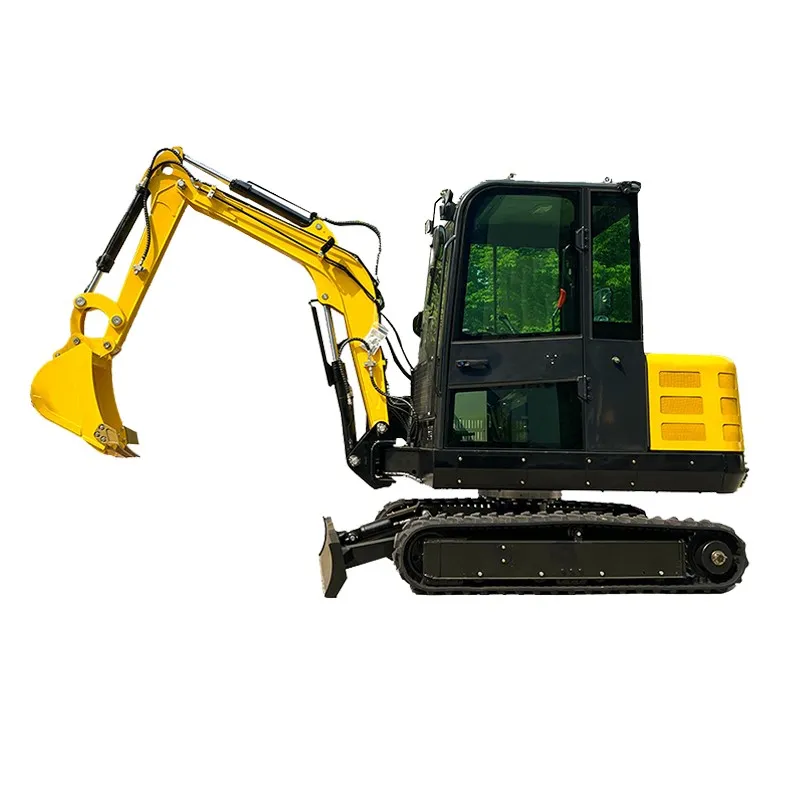
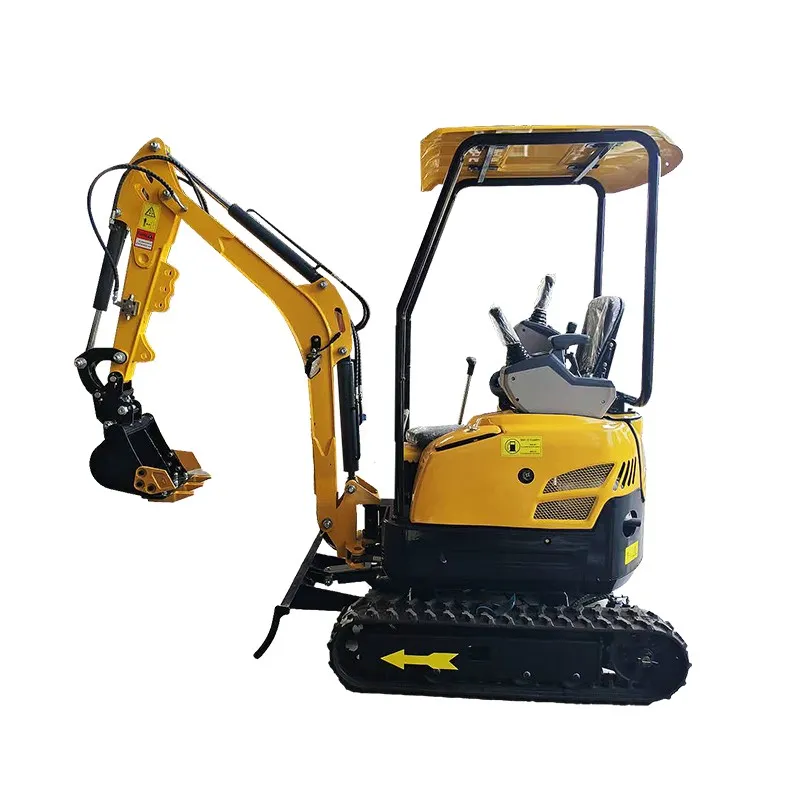
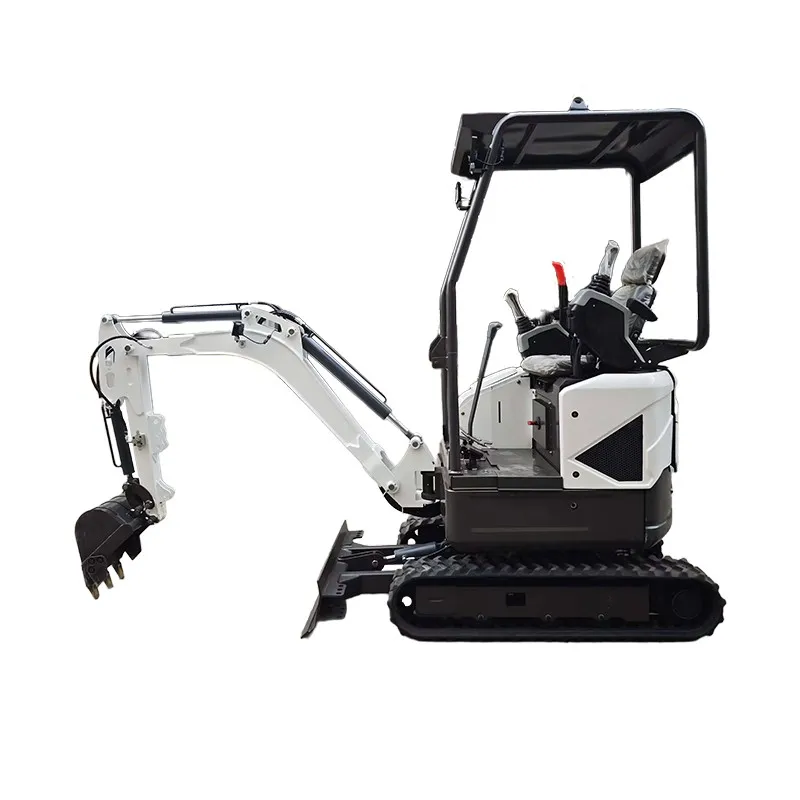
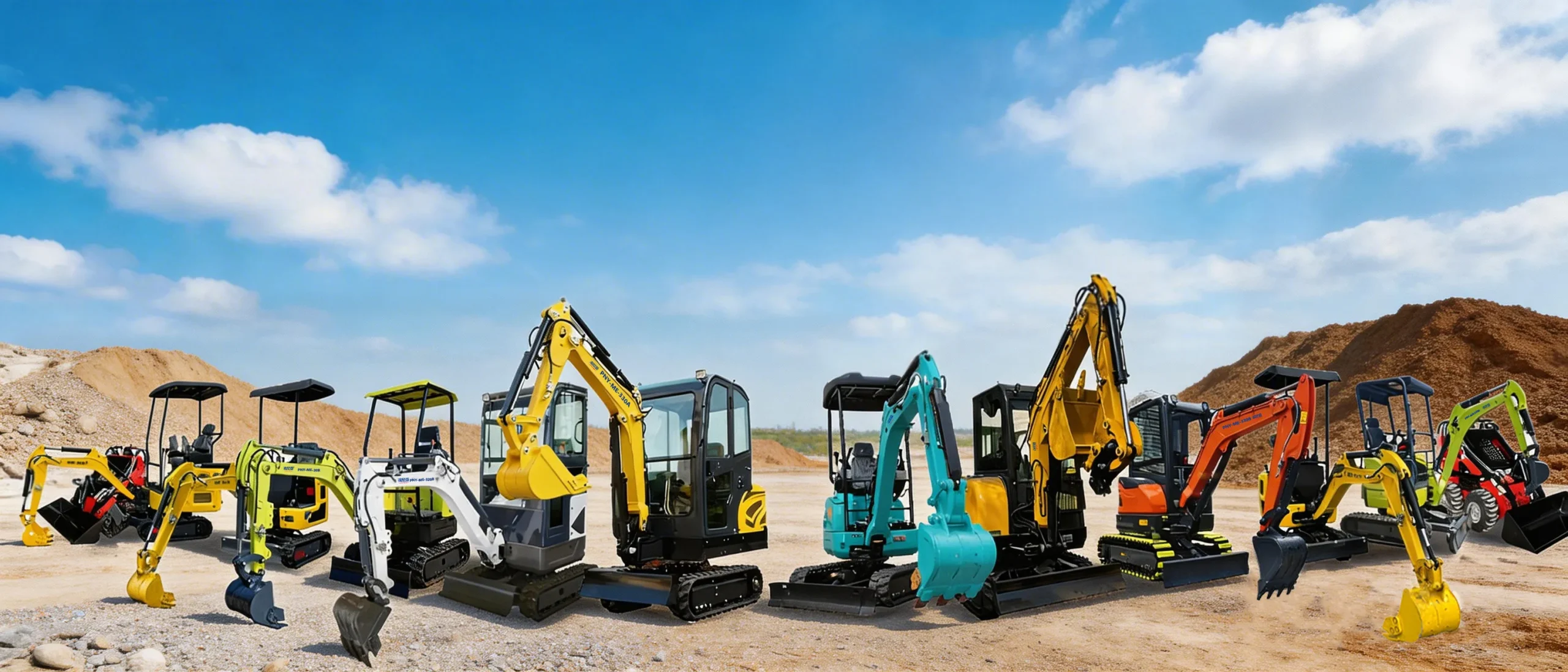
When you hear 'Volvo mini excavator,' a lot of folks immediately picture that iconic blue paint job and assume they're getting the full, built-in-Sweden Volvo Construction Equipment experience. That's the first place people get tripped up. The reality in the compact equipment space, especially for the sub-2-ton and 3-ton class machines, is more nuanced. Many of these units are produced through partnerships or by specialized manufacturers, and the value isn't just in the brand sticker but in the specific build quality, parts commonality, and the dealer support behind it. I've seen guys pay a premium for the color without checking what's under the hood, literally. The key is understanding the ecosystem—where it's built, who supports it, and whether the specs match your daily grind, not just the brochure.
The Partnership Model and Where Machines Really Come From
Let's be clear: Volvo CE doesn't cast every tiny excavator component in their own foundries. For certain compact models, they've leveraged partnerships with established manufacturers, particularly in Asia, to produce machines to their specifications. This isn't a secret; it's standard industry practice to optimize production. The critical part is the quality control, the design input, and the adherence to Volvo's standards (think hydraulic system performance, operator platform ergonomics, and safety features) that get baked into the process. A machine bearing the Volvo name has to pass their validation, which is no small feat.
This brings me to manufacturers like those in China's Shandong province, a major hub for construction machinery components and assembly. A company that's been around the block, like Shandong Pioneer Engineering Machinery Co., Ltd, operating since 2004 and now with a new, expanded facility in Ningyang, embodies the kind of partner a major brand might work with. They've got the export pedigree, shipping to tough markets like the US, Canada, and Germany. When you're talking about a Volvo mini excavator in the lower tonnage range, there's a decent chance elements of its manufacture or assembly trace back to specialized clusters with this level of experience. It's not about being fake; it's about competent global supply chains.
I recall a project where we had a 1.8-ton compact excavator on site, a Volvo. The foreman kept bragging about it. When we needed a specific hydraulic hose fitting replaced, the local Volvo dealer had it, but the part itself had markings that pointed to a collaborative manufacturing origin. It performed flawlessly—smooth, quiet, minimal tail swing—but understanding its provenance helped us source some generic wear parts (like track pads) more cost-effectively later on. That's the practical takeaway.
On-the-Ground Performance vs. Paper Specs
Forget the max digging depth or horsepower for a second. What matters with a mini ex is how it feels during a 10-hour day trenching in tight urban spaces. The Volvo units I've run, particularly the ECR series models, have consistently good things: excellent joystick response with low effort, a cab that's genuinely quiet (that's a Volvo car DNA shining through), and a hydraulic system that provides fine control for grading or lifting delicate items. You don't get that jerky, all-or-nothing movement. It feels refined.
But here's a real-world hiccup I've encountered. That refinement sometimes comes with a more complex engine emissions system to meet Tier 4 Final/Stage V regs. In older, dense urban sites with poor air circulation, we had one of these machines go into a periodic regeneration cycle. If you can't move it to a safe, open area immediately, it's an operational headache. It's not unique to Volvo, but it's a consideration. The trade-off is a cleaner burn and compliance, but you need operators who understand the machine's dashboard warnings. This is where the dealer's training support becomes as important as the iron itself.
Another detail often overlooked is the standard auxiliary hydraulic circuit. Volvo usually gets this right, offering good flow and pressure control right out of the gate for attachments. I've seen competitors where it's an expensive, convoluted add-on. If you're constantly switching between a breaker, an auger, and a tilt rotator, this is a massive productivity point. It sounds minor, but it saves hours of fiddling and adapter costs over a year.
The Support Network and Total Cost Calculus
Buying the machine is maybe 60% of the decision. The other 40% is who fixes it and how quickly. A Volvo dealer network is typically strong, but its density varies wildly by region. In some areas, you're golden. In others, the nearest certified tech might be three hours away. That's a critical question to ask before signing: What's your guaranteed response time for a hydraulic failure on site?
This is where the background of a manufacturing partner can be reassuring. A company with a long track record in export, like Shandong Pioneer (you can see their history at https://www.sdpioneer.com), understands the need for reliable parts logistics to keep global customers running. For a brand like Volvo, ensuring their partners have this capability is non-negotiable. It means that even if the final assembly of a mini excavator is done elsewhere, the supply chain for critical components has been stress-tested. I'd rather have a machine with slightly slower theoretical cycle times but 24-hour parts availability than a faster one that's a paperweight for weeks waiting for a pump from overseas.
We learned this the hard way years ago with a different color machine. A simple final drive failure turned into a 6-week downtime saga because the part was on a slow boat from a single-source factory. The total cost of that downtime dwarfed any initial purchase price savings. Now, we always factor in the robustness of the parts pipeline. Volvo, through its partnerships and its own network, generally scores well here, but you must verify for your specific location.
Attachment Compatibility and the Swiss Army Knife Fallacy
A mini excavator is only as good as the attachments you can hang on it. The industry has largely standardized on certain mounting systems (like the European-style quick coupler), and Volvo machines are obviously built to play nice with these. However, there's a trap in trying to make one machine do everything. I see it all the time.
Someone buys a nice 2.5-ton Volvo ECR25 and then wants to run a massive breaker that requires flow rates at the upper limit of the machine's capacity. It'll run it, but you're straining the hydraulic system, burning more fuel, and transmitting brutal shock loads through the mainframe. It's a shortcut to premature wear. The machine is capable, but you have to match the attachment to its optimal working range. Volvo's specs are usually honest here—they'll give you the recommended breaker weight class, for instance. Sticking to that advice pays off in longevity.
Also, consider the plumbing. Some older or more basic mini excavators need additional hydraulic lines run for a tilt rotator, which is a complex and costly retrofit. Many newer Volvo models have this plumbing more readily accessible or even pre-installed. It's a small design detail that speaks to thinking ahead for the end-user. When you're on a tight landscaping job that requires precise grading, that tilt rotator isn't a luxury; it's a necessity. The machine should be ready for it.
Final Take: It's a Tool, Not a Trophy
At the end of a long day, no one cares what color the excavator is if it didn't get the trench dug, the foundation cleared, or the pipe laid. The Volvo mini excavator, particularly in the compact range, represents a specific choice. You're opting for operator comfort, refined hydraulics, and (usually) strong global support infrastructure, often built on decades of manufacturing expertise from partners who live and breathe this stuff. Companies that have evolved from pure manufacturing into integrated trade, like the Shandong Pioneer operation, are the backbone of this global availability.
Would I spec one on my next project? For tasks demanding precision, long operator hours, and where attachment versatility is key, absolutely. It's a reliable, high-quality tool. But I'd first call my local dealer and grill them on parts inventory for that specific model. I'd also look at the total package—not just the machine's price, but the finance terms, the included warranty, and the first-service package. Volvo often competes strongly here.
The biggest mistake is viewing it through a badge-snob lens. It's not about owning a Volvo. It's about deploying a highly capable, well-supported piece of engineering that happens to carry that name. Do your homework on the specific model's origin, match it to your actual job needs, and ensure the support ring around it is solid. Then, it'll earn its keep, paint job aside.
Related Products
Related Products