- Chinese
- French
- German
- Portuguese
- Spanish
- Russian
- Japanese
- Korean
- Arabic
- Irish
- Greek
- Turkish
- Italian
- Danish
- Romanian
- Indonesian
- Czech
- Afrikaans
- Swedish
- Polish
- Basque
- Catalan
- Esperanto
- Hindi
- Lao
- Albanian
- Amharic
- Armenian
- Azerbaijani
- Belarusian
- Bengali
- Bosnian
- Bulgarian
- Cebuano
- Chichewa
- Corsican
- Croatian
- Dutch
- Estonian
- Filipino
- Finnish
- Frisian
- Galician
- Georgian
- Gujarati
- Haitian
- Hausa
- Hawaiian
- Hebrew
- Hmong
- Hungarian
- Icelandic
- Igbo
- Javanese
- Kannada
- Kazakh
- Khmer
- Kurdish
- Kyrgyz
- Latin
- Latvian
- Lithuanian
- Luxembou..
- Macedonian
- Malagasy
- Malay
- Malayalam
- Maltese
- Maori
- Marathi
- Mongolian
- Burmese
- Nepali
- Norwegian
- Pashto
- Persian
- Punjabi
- Serbian
- Sesotho
- Sinhala
- Slovak
- Slovenian
- Somali
- Samoan
- Scots Gaelic
- Shona
- Sindhi
- Sundanese
- Swahili
- Tajik
- Tamil
- Telugu
- Thai
- Ukrainian
- Urdu
- Uzbek
- Vietnamese
- Welsh
- Xhosa
- Yiddish
- Yoruba
- Zulu
- Kinyarwanda
- Tatar
- Oriya
- Turkmen
- Uyghur


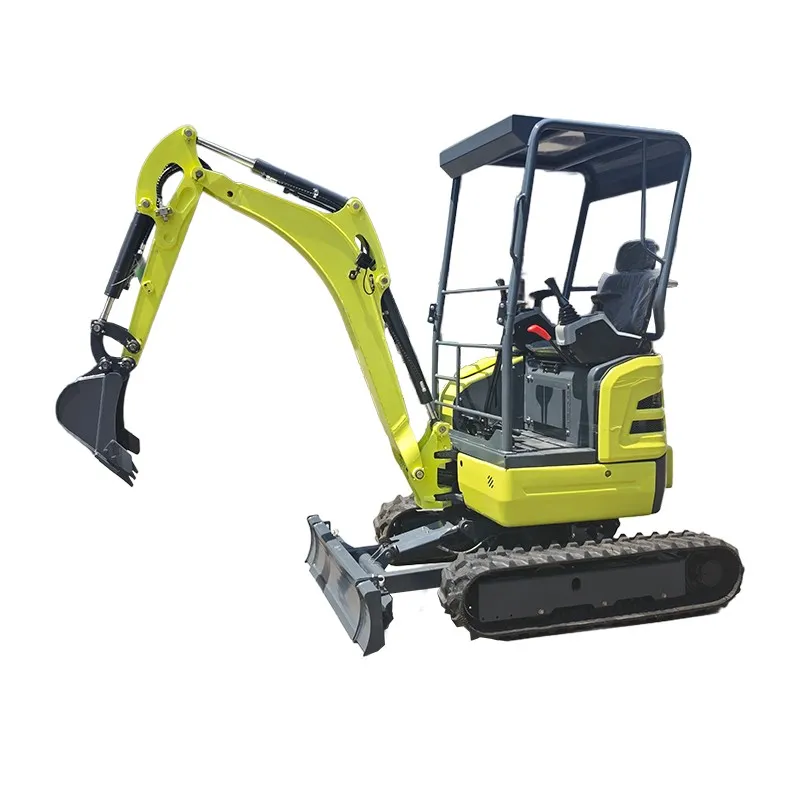
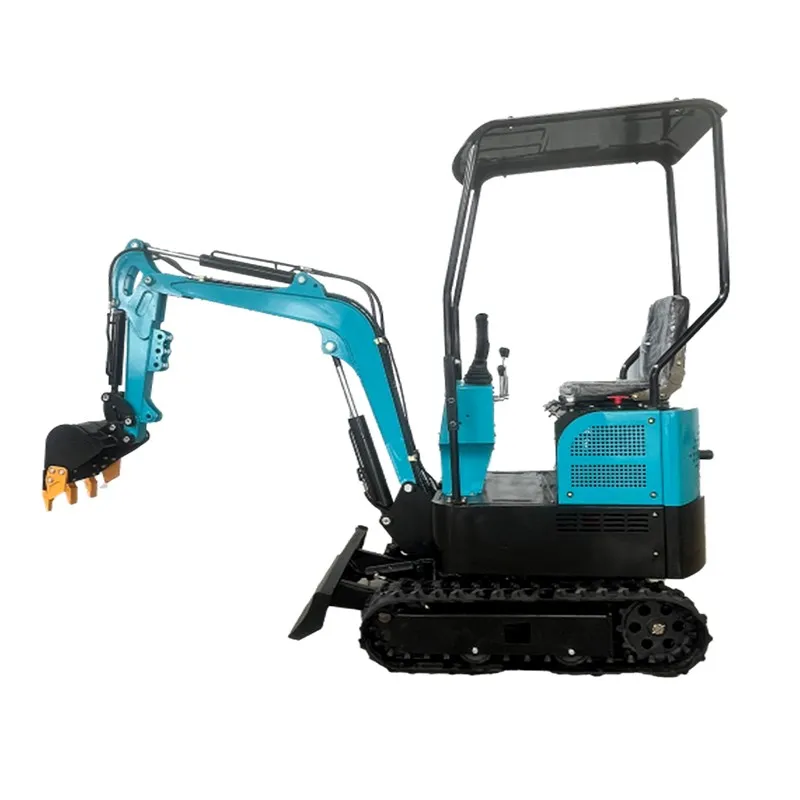
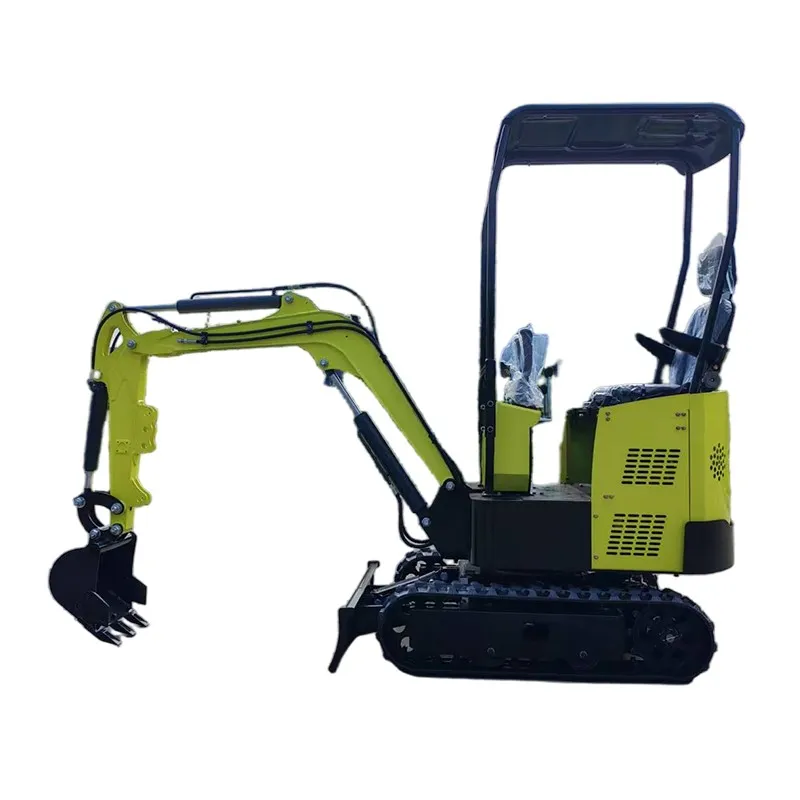
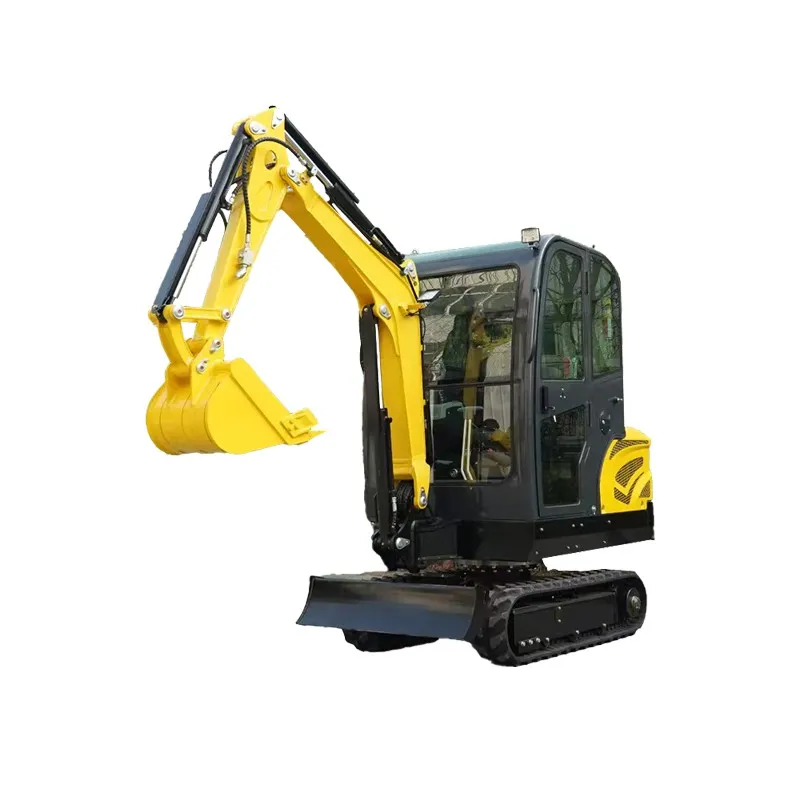
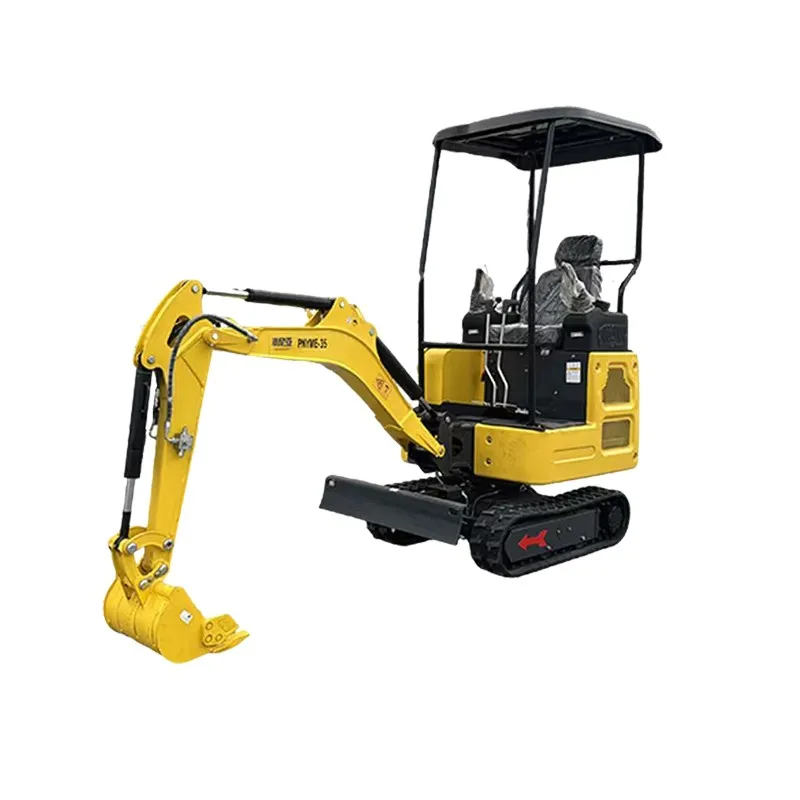
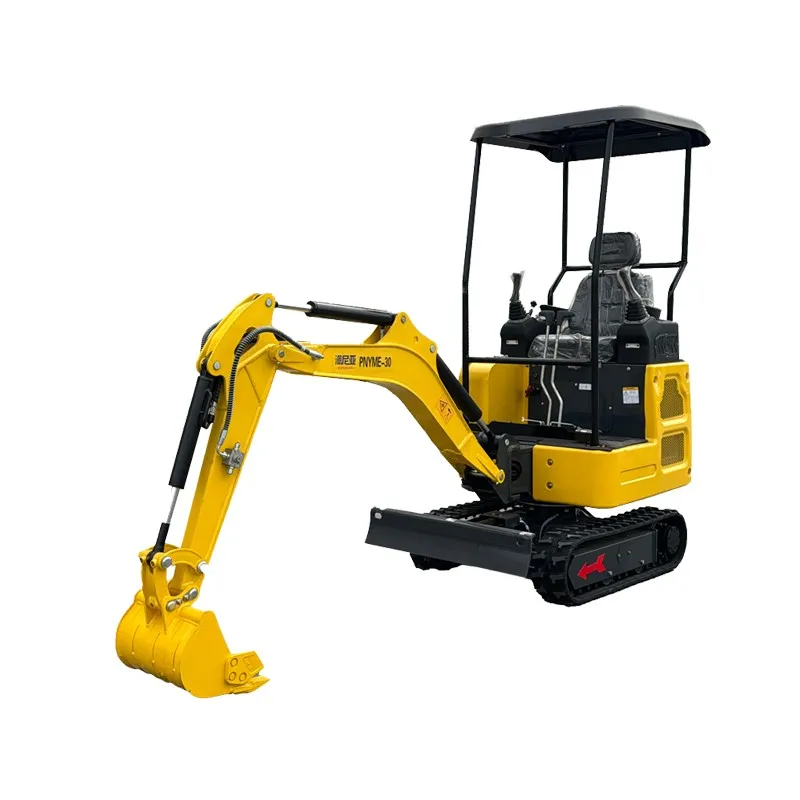
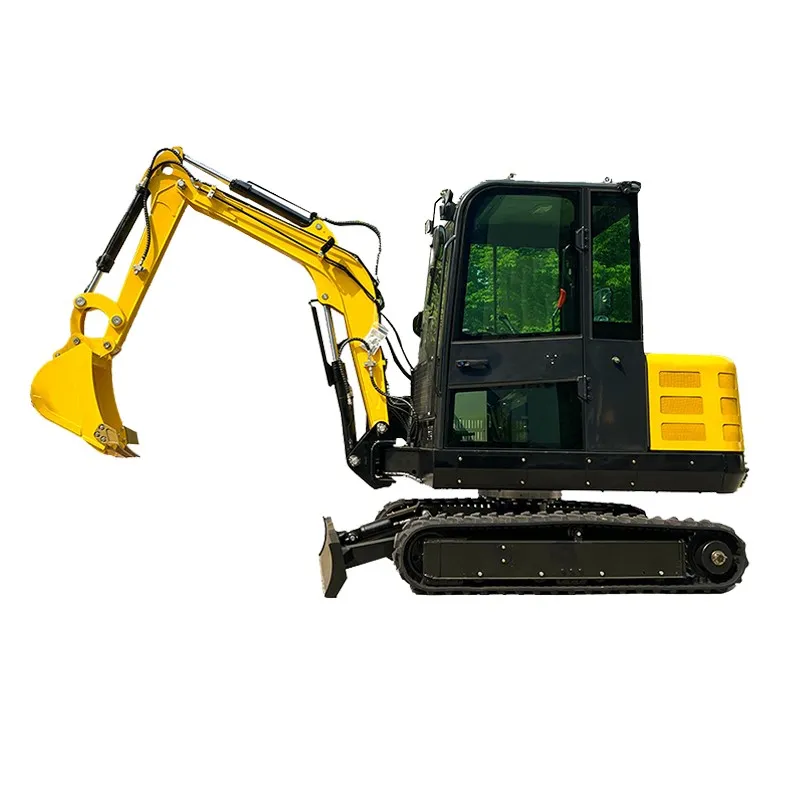
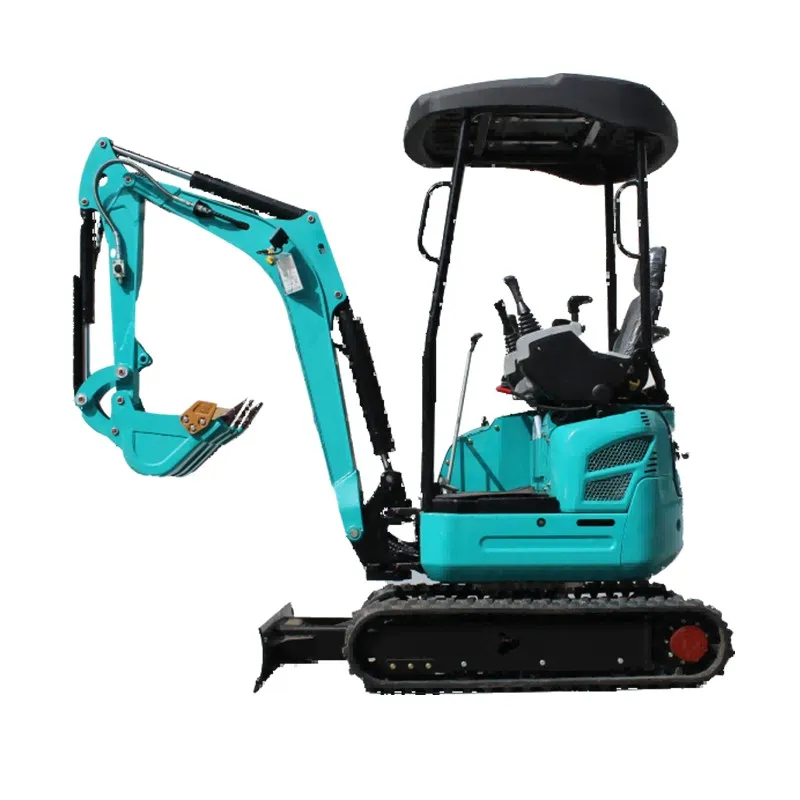
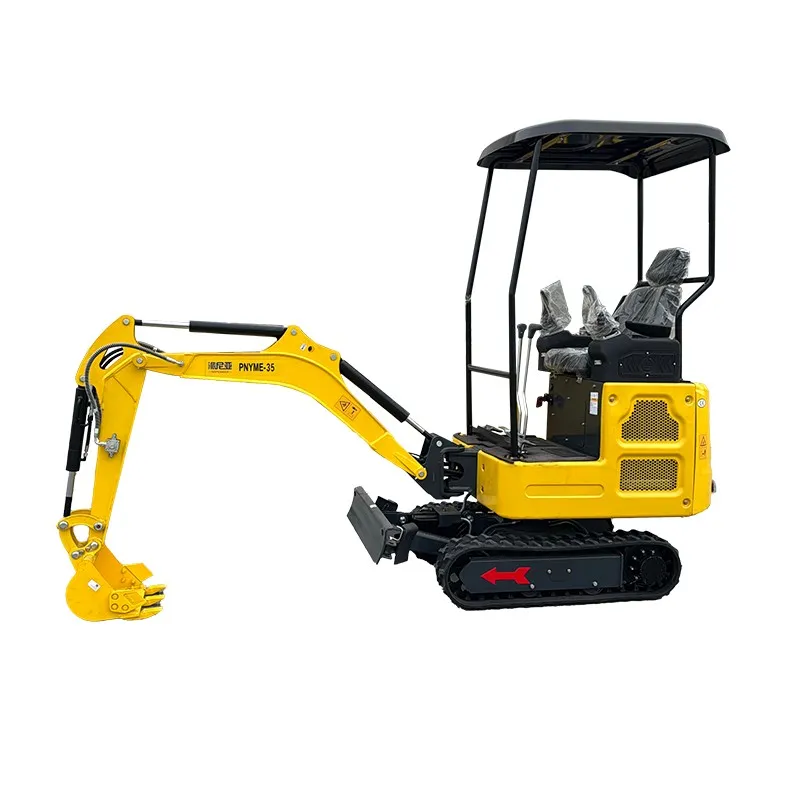
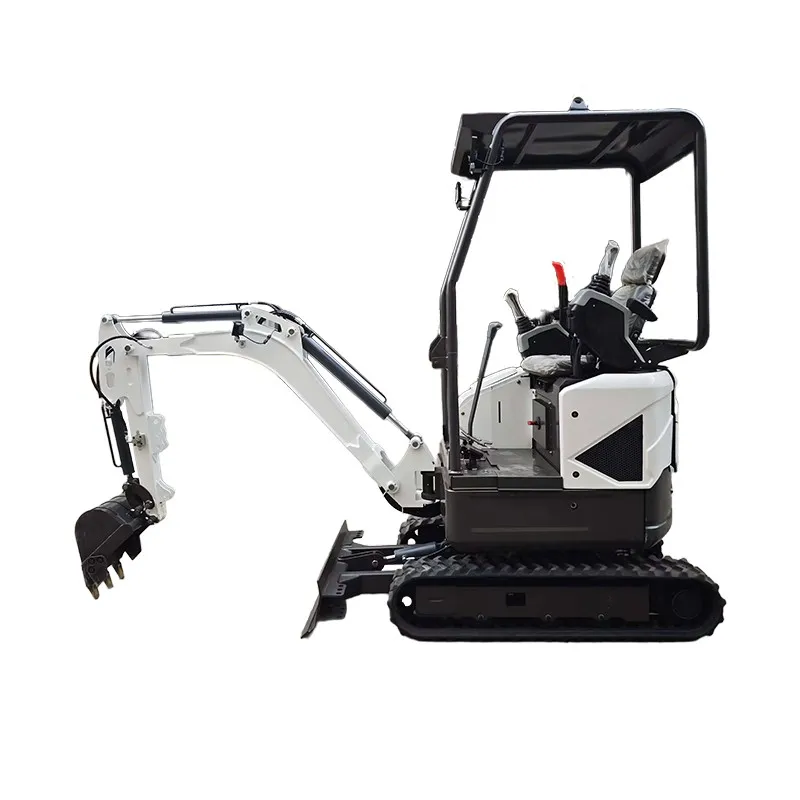
Wholesale Small Excavators
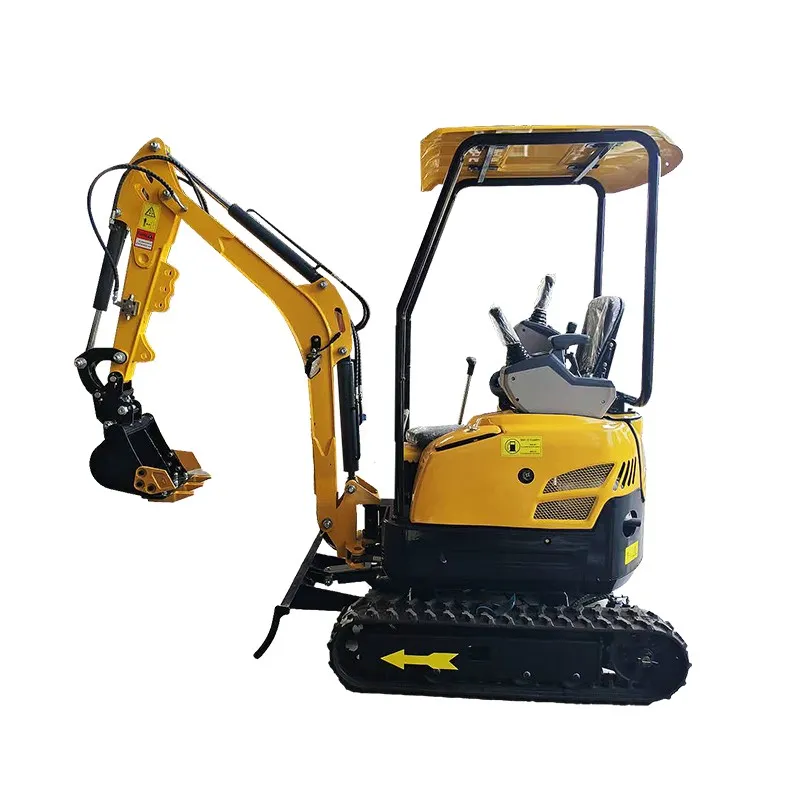
When you hear 'wholesale small excavators,' the first thing that probably jumps to mind is a container full of cheap machines. That's the biggest trap. I've seen too many guys, especially new importers or rental startups, get burned chasing the lowest FOB price from a random Alibaba listing. The real game in wholesale isn't just about moving units; it's about moving the right units that won't come back to haunt you with a thousand service calls. The 1-ton to 6-ton compact class is deceptively complex. A machine that works perfectly on a German landscaping site might have hydraulic issues in the humidity of Southeast Asia, not because it's bad, but because it was spec'd for a different environment. That's where the wholesale conversation needs to start—not with how much per unit, but with what are they actually for?
The Manufacturing Ground Truth: More Than Assembly Lines
Having walked countless factory floors, I can tell you the difference between a reliable wholesale partner and a mere assembler. It's in the welding bays and the component sourcing logs. A lot of smaller manufacturers, and even some bigger ones, are essentially integrators. They buy the Yanmar or Kubota engine, the Kawasaki hydraulic pumps, the cabins, the tracks, and bolt them together. There's skill in that, sure, but the durability comes from the integration quality—the welding on the main frame, the routing of hydraulic lines to avoid chafing, the quality of the electrical harness connectors. I remember visiting a plant, let's say in Shandong, where the production manager proudly showed me their new robotic welding arm. But later, in the yard, I saw workers grinding down rough welds on the boom by hand. That disconnect between showcase tech and final finish is a red flag. The real value in a wholesale supplier is consistency in these unseen details across hundreds of units.
This is where a company's history tells a story. Take Shandong Pioneer Engineering Machinery Co., Ltd. They've been at this since 2004. A 20-year run, especially through the volatile cycles of the construction equipment market, means they've had to adapt. They recently moved to a new facility in Ningyang in 2023. That kind of relocation isn't just about more space; it's usually a strategic upgrade for better production flow and capacity. You can check out their setup at https://www.sdpioneer.com. For a wholesaler, a manufacturer's stability is critical. You don't want your supply chain to vanish because the factory couldn't keep up with standards or cash flow.
Their structure is telling too: Shandong Hexin handles the manufacturing, and Shandong Pioneer handles overseas trade. That separation is common but important. It means the trading arm has to advocate for the international buyer's needs—specifications, certifications, packaging—to the manufacturing side. It creates a necessary internal tension that, when it works well, results in a product that actually meets export market regulations and expectations, not just domestic ones. They mention exports to the US, Canada, Germany, Australia. Getting machines to pass muster in those markets, particularly emissions (EPA, EU Stage V) and safety standards (CE, ROPS/FOPS), is a non-trivial hurdle. If they're consistently selling there, it signals an investment in compliance, which is a huge plus for a wholesaler looking to avoid customs and liability nightmares.
The Specification Maze: It's Not Just About Digging Depth
Here's where I see wholesale buyers make their second big mistake: ordering from a spec sheet without context. The brochure says operating weight: 1,500 kg, engine power: 15 kW. Fine. But is that the bare weight, or with a standard bucket? What's the actual flow rate of the auxiliary hydraulics? Can it run a hydraulic breaker continuously without overheating? I learned this the hard way early on. We wholesale-ordered a batch of 3-tonners for a rental fleet, spec'd with standard auxiliary lines. When the clients tried to run trenchers, the flow was insufficient. We had to retrofit valves on every machine—a logistical and financial mess. The lesson? Wholesale negotiations must drill down into application-specific specs.
For small excavators, the devil is in the hydraulic options and the undercarriage. Are you wholesaling for urban landscaping? Then zero-tail-swing models and rubber tracks are a must, and you need to ensure the hydraulic system is smooth for grading and precise work. For agricultural or demolition wholesaling, you might prioritize a heavier counterweight for breaker use and a reinforced undercarriage. A good manufacturer, like the one behind the Pioneer brand, should be able to guide this conversation, not just send you a PDF. They should ask, What attachments will your end-users primarily run?
Another critical, often overlooked, detail is the electrical system and operator's platform. Are the gauges in a mix of Chinese and English symbols? Is the wiring loom protected from dust and vibration? I've seen machines where the backup alarm would fail after 200 hours because the wire was stretched too tight. These are the things that kill a wholesaler's reputation. When you're moving volume, one recurring defect means hundreds of service issues. You want a factory that has ironed out these gremlins through years of feedback, which is again why a long-established entity has an edge.
Logistics & The True Cost of Wholesale
The quoted FOB price is just the entry ticket. The real cost of wholesale small excavators is buried in logistics, customs, and pre-delivery inspection (PDI). Let's talk containers. A 40ft High Cube can typically fit 4-5 small excavators, depending on size and how they're crated. But are they crated in a steel frame or just wood? Wood is cheaper but offers less protection. I once received a container where a poorly secured machine had shifted in transit, bending its control lever. The damage claim process was a months-long headache. Now, we insist on specific lashing points and internal bracing in the crate design. This is something you must specify in your wholesale contract.
Then there's PDI. The factory will do a basic run-up, but for a serious wholesaler, hiring a third-party inspection agency for a pre-shipment check is worth every penny. They'll check everything from hydraulic pressure settings and bolt torques to paint thickness and completeness of the tool kit. It's not about mistrust; it's about managing risk across an ocean. A failure caught in Qingdao costs $100 to fix. The same failure caught in Hamburg costs $1,000.
Finally, spare parts strategy. Any manufacturer promising we have all parts is being optimistic. The key is the common wear parts: track chains, rollers, sprockets, hydraulic hoses, seal kits. A reliable wholesale partner will have a recommended initial spare parts package for, say, every 10 machines. They should also be able to ship these parts via air freight quickly when needed. The operational model of Shandong Pioneer, focusing on overseas trade, suggests they should have this logistics pipeline figured out for their key markets. It's a question you must ask: What is your average lead time for a set of main hydraulic hoses to Melbourne? The answer tells you more than any brochure.
Market Fit and The Grey Area of Branding
In wholesale, you're often dealing with private labeling or white-label machines. This is a massive opportunity and a pitfall. The opportunity is to build your own brand equity. The pitfall is inheriting the manufacturer's unresolved design flaws. If you're putting your own logo on a machine from a maker like Pioneer, you're betting your reputation on their quality control. You need to understand their internal testing protocols. Do they have a 50-hour continuous run-in test for every machine, or just spot checks? Do they test with different attachments?
Furthermore, market fit isn't global. A machine perfect for the North American rental market might be over-spec'd and too expensive for price-sensitive regions in Africa or South America. Sometimes, for certain markets, a simpler machine with fewer electronic controls and more robust, serviceable components is a better wholesale product. It's about knowing your end-customer's cost of ownership, not just your purchase price. A complex machine that breaks down and has no local technicians who can fix it is a paperweight. I've pushed manufacturers to offer de-contented versions for certain wholesale projects—no fancy LCD display, just basic gauges; manual throttle instead of auto-idle. It reduces points of failure and cost.
Looking at a company that exports to diverse high-standard markets (US, Germany, etc.) and has been doing it for two decades, it indicates they likely have the flexibility to tailor specs. Their website, sdpioneer.com, is a starting point, but the real due diligence is in asking them to build a machine to your detailed specification sheet and then putting that prototype through its paces. Any reputable manufacturer confident in their wholesale small excavators business will agree to that.
The Long Game: Warranty, Support, and Iteration
The wholesale relationship shouldn't end when the container doors close. The post-sale support is what defines a partnership. Warranty terms are the first battle. 12 months standard is common, but what does it cover? Travel for service technicians? Labor? How are warranty claims processed? The best arrangements I've had involve a shared warranty stock of parts held at the wholesaler's regional hub, funded partly by the manufacturer. It speeds up repairs immensely.
Then there's technical documentation. You need service manuals, parts catalogs with exploded diagrams, and electrical schematics that are actually readable and accurate. I've received English manuals that were clearly machine-translated, making them useless. This is a basic professionalism test. A company with extensive export experience should have this nailed down.
Finally, the iterative process. After you sell a batch of 50 machines, you will get field feedback. Maybe the step plate is too flimsy, or the seat bracket cracks. A good manufacturing partner will take this feedback seriously and implement engineering changes (ECs) in future production runs. This is how a wholesale product evolves from good enough to robust. It turns a transactional purchase into a collaborative development. That's the hidden value in aligning with an established manufacturer—they have the institutional memory and engineering capacity to make those incremental improvements, which makes your wholesale small excavators offering stronger every year. It's not about finding the cheapest source; it's about building a supply chain that gets better over time.
Related Products
Related Products