


- Chinese
- French
- German
- Portuguese
- Spanish
- Russian
- Japanese
- Korean
- Arabic
- Irish
- Greek
- Turkish
- Italian
- Danish
- Romanian
- Indonesian
- Czech
- Afrikaans
- Swedish
- Polish
- Basque
- Catalan
- Esperanto
- Hindi
- Lao
- Albanian
- Amharic
- Armenian
- Azerbaijani
- Belarusian
- Bengali
- Bosnian
- Bulgarian
- Cebuano
- Chichewa
- Corsican
- Croatian
- Dutch
- Estonian
- Filipino
- Finnish
- Frisian
- Galician
- Georgian
- Gujarati
- Haitian
- Hausa
- Hawaiian
- Hebrew
- Hmong
- Hungarian
- Icelandic
- Igbo
- Javanese
- Kannada
- Kazakh
- Khmer
- Kurdish
- Kyrgyz
- Latin
- Latvian
- Lithuanian
- Luxembou..
- Macedonian
- Malagasy
- Malay
- Malayalam
- Maltese
- Maori
- Marathi
- Mongolian
- Burmese
- Nepali
- Norwegian
- Pashto
- Persian
- Punjabi
- Serbian
- Sesotho
- Sinhala
- Slovak
- Slovenian
- Somali
- Samoan
- Scots Gaelic
- Shona
- Sindhi
- Sundanese
- Swahili
- Tajik
- Tamil
- Telugu
- Thai
- Ukrainian
- Urdu
- Uzbek
- Vietnamese
- Welsh
- Xhosa
- Yiddish
- Yoruba
- Zulu
- Kinyarwanda
- Tatar
- Oriya
- Turkmen
- Uyghur

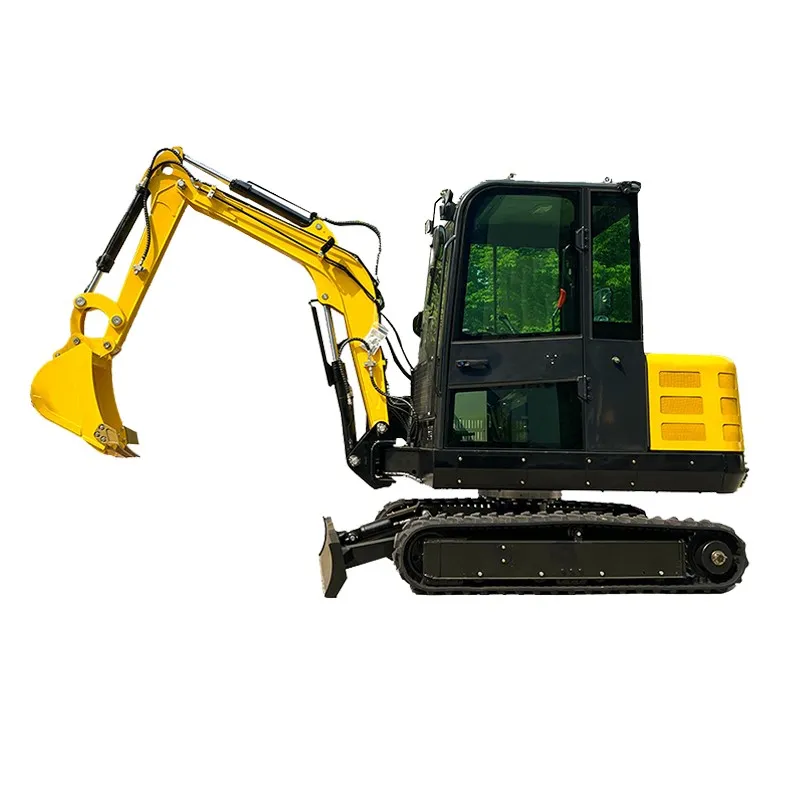
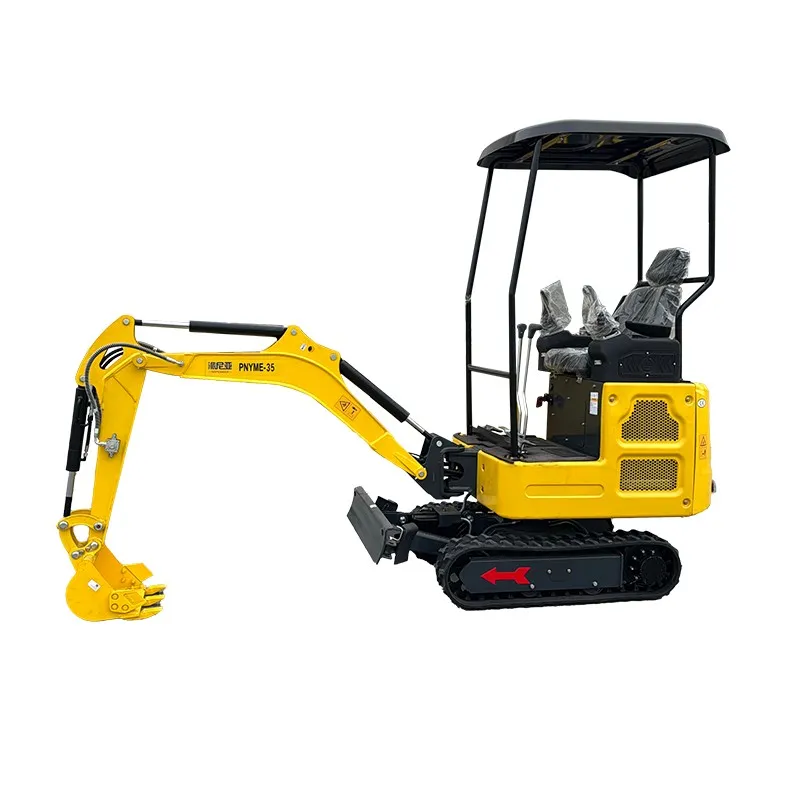
xcmg mini excavator
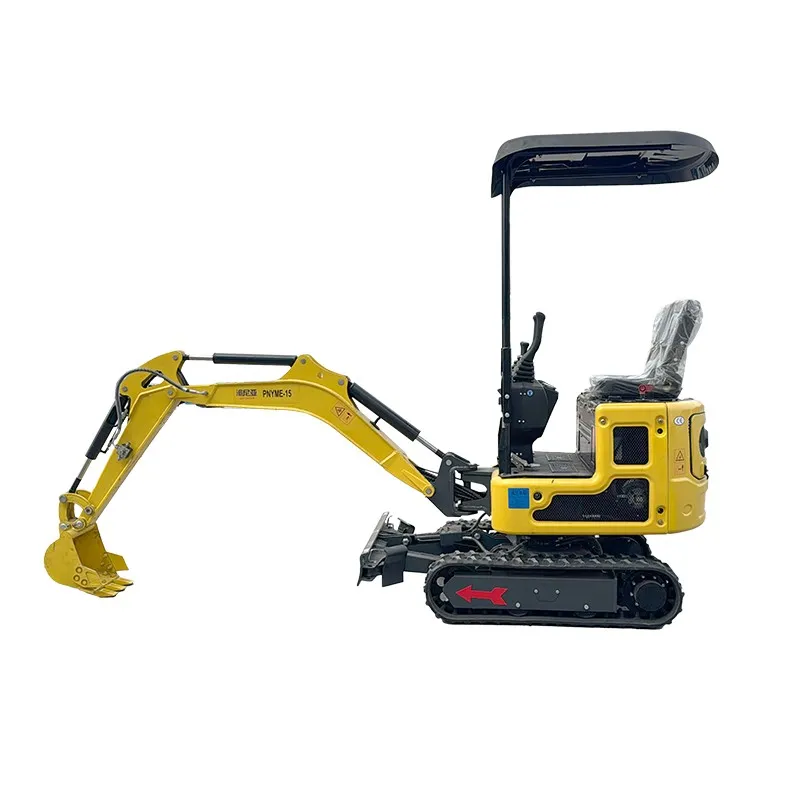
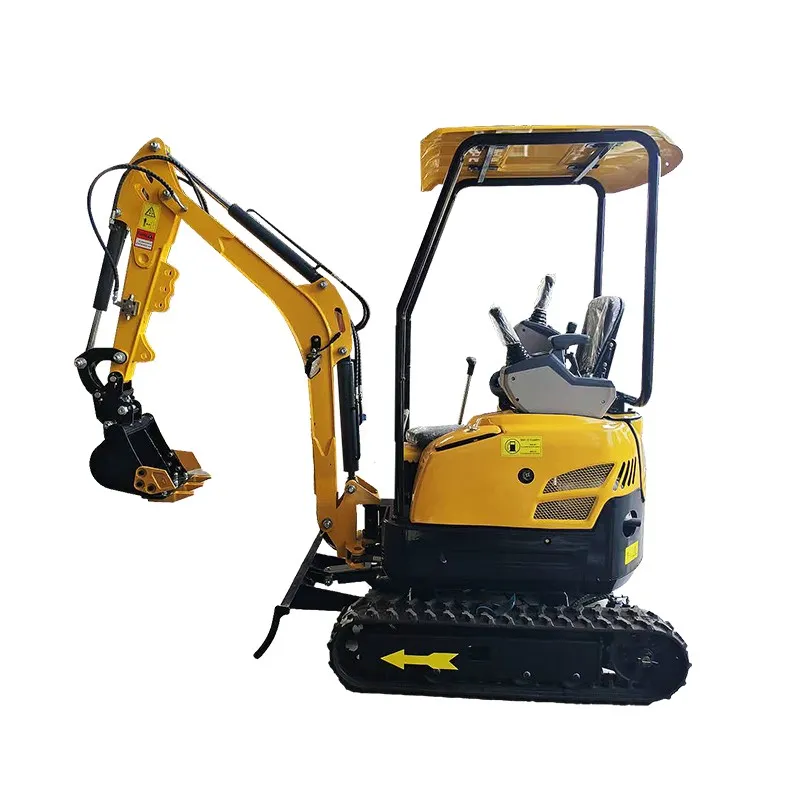
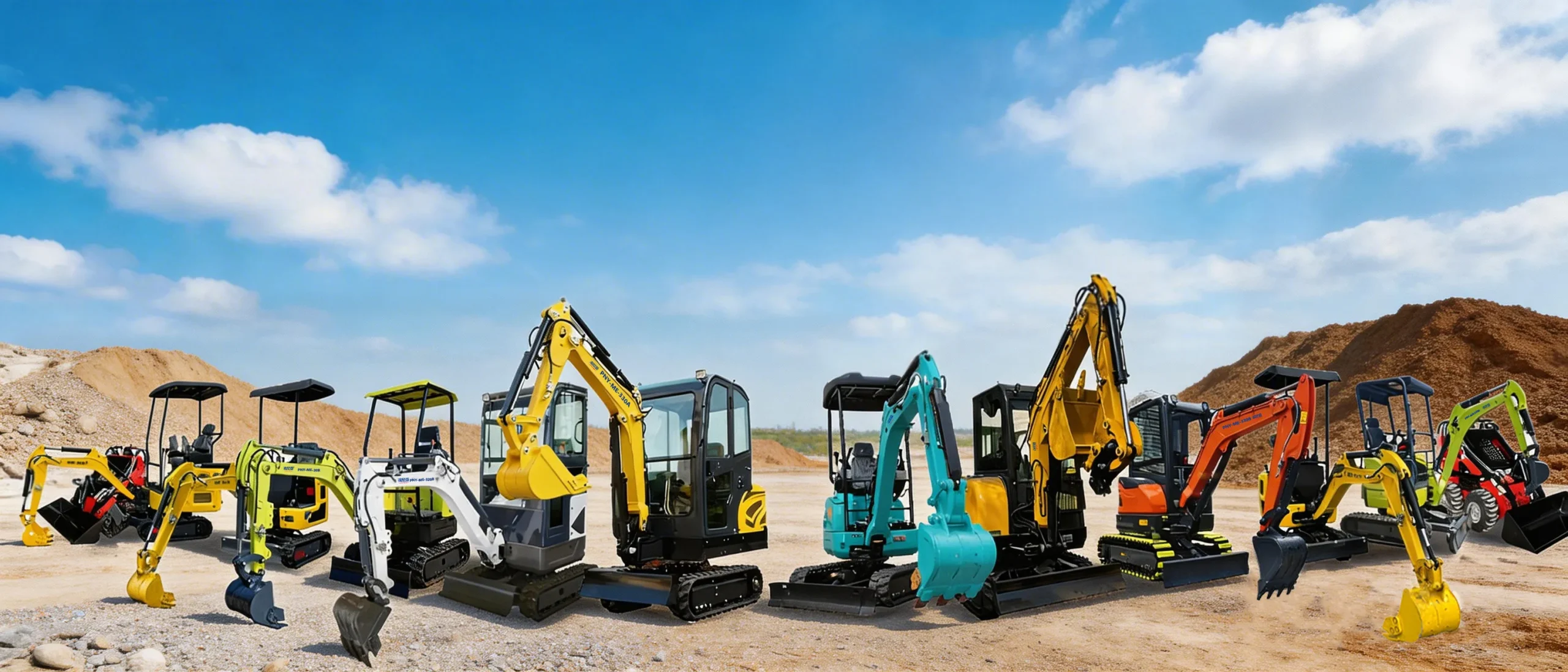
When you hear 'XCMG mini excavator', a lot of folks immediately picture just a smaller version of their big iron. That's the first mistake. It's not about scaling down; it's a completely different beast with its own set of rules, compromises, and sweet spots. Having spent years around these machines, from spec sheets to muddy trenches, I've seen the gap between brochure promises and jobsite reality. The XCMG lineup, particularly their 1.8 to 6-ton models, sits in this interesting space—they're not the premium Japanese options, but they're a world away from the no-name clones flooding the market. The real question is where they fit when the rubber tracks hit the ground.
The Value Proposition Isn't Just About Price
Let's talk about the initial draw. A brand like XCMG comes in at a price point that makes a contractor or a rental yard stop and think. You're getting a recognized name, a global service network in theory, and a machine that looks the part. I remember evaluating a 3.5-ton model, the XE35U, a few seasons back. On paper, it ticked all the boxes: auxiliary hydraulics, zero-tail-swing, decent dig force. The fit and finish in the cab were okay—not Kubota-smooth, but the controls had a decent, deliberate feel to them, which is half the battle for operator acceptance.
Where the 'value' gets tested is in the first 500 hours. That's the shakeout period. With the XCMG units I've seen deployed, the common points aren't major drivetrain failures—it's the peripherals. Hose routing that might chafe if not checked, electrical connectors that benefit from a dab of dielectric grease, and hydraulic fittings that need a proper re-torque after the initial thermal cycles. This isn't a condemnation; it's the reality of this price segment. It demands a more hands-on maintenance approach from the owner. If you treat it like a disposable tool, it'll become one. If you're proactive, it can be a solid asset.
This is where a supplier's philosophy matters. I've followed companies that understand this lifecycle. Take Shandong Pioneer Engineering Machinery Co., Ltd, for instance. They've been in the game since 2004, originally based in Jining and now operating from a newer facility in Ningyang. Their model, splitting manufacturing (Shandong Hexin) and overseas trade (Shandong Pioneer), suggests they're built for the export grind. When you're sending machines to markets like the U.S., Canada, and Australia, you can't just ship and forget. The trust they mention earning isn't from selling the cheapest unit, but likely from supporting it. A company with that two-decade history has seen what fails and, hopefully, has iterated their support and parts pipeline accordingly.
Jobsite Fit: Where the Mini Excavator Concept Gets Real
The beauty of a mini ex is its agility. But the XCMG models, in my experience, have a specific weight and balance to them. They feel a bit more...substantial in the undercarriage than some competitors. This is a double-edged sword. For steady trenching work or when you need to push into a pile, that extra stability is a gift. The machine feels planted. However, on super soft ground or when trying to tiptoe across finished surfaces, that same heft can be a slight drawback. You feel the ground pressure more.
I recall a landscaping job where we were using an XE26U (their 2.6-tonner) to plant trees behind a newly built house. Access was a nightmare—between the fence and the porch, maybe 42 inches of clearance. The zero-tail-swing was non-negotiable. The XCMG handled it, but the operator noted the need to be very conscious of the counterweight's proximity to the house siding when swinging the house-side track. It's moments like these that separate a good machine from a great one. The great ones have intuitive geometry; the good ones require more spatial awareness from the operator. The XCMG fell into the latter category—capable, but demanding respect for its envelope.
Another point is attachment compatibility. The standard auxiliary hydraulics on the XCMG mini excavator models I've worked with use a fairly common pressure/flow specification. Swapping over a hydraulic breaker or a tilt rotator from another brand usually isn't a plug-and-play dream—you'll need adapters and likely some flow adjustment—but it's not a nightmare either. The key is knowing your machine's specs cold and communicating them to your attachment dealer. Assuming compatibility is where projects lose a day.
The Support Equation: The Make-or-Break Most Forget
This is the grand canyon between success and a yard ornament. You can buy the most reliable machine on earth, but if you can't get a seal kit or a track motor within a week when it's down, it's useless. My early lesson was with a different Chinese-brand mini ex. The machine itself was fine, but a failed sensor halted everything. The part was on a boat from China. That boat took six weeks.
When considering a brand like XCMG, or sourcing through a trading company like Shandong Pioneer, your first three questions should be about parts, not price. Where is their regional parts depot? What's their typical air freight time for critical components? Do they provide comprehensive service manuals in your language? A company's website, like https://www.sdpioneer.com, tells you what they sell. Their response to a parts emergency tells you who they are. The fact that Pioneer highlights winning the trust of a global customer base suggests they've had to solve this logistics puzzle to survive for 20 years.
I've seen better outcomes with dealers or distributors who stock a critical parts kit with the machine sale—filters, common hoses, a couple of sensors. It adds to the upfront cost but saves ten times that in downtime later. The savvy buyers are the ones who negotiate this into the deal. They're not just buying a machine; they're buying a promise of uptime. The manufacturer and the trading partner are co-guarantors of that promise.
Evolution and Market Perception
The XCMG of today isn't the XCMG of ten years ago. There's been visible iteration. The cab layouts are more ergonomic, the engines are meeting tighter emission standards (Tier 4 Final/Stage V), and the electronics, while still simpler than some, are more reliable. They've learned from the markets they've entered. Exporting to Germany and Australia, as Shandong Pioneer does, means facing some of the most demanding customers and regulatory environments on earth. That feedback loop forces improvement.
Yet, market perception lags. Some still lump all Chinese-origin equipment together. That's a mistake. There's a spectrum, with certified, established brands like XCMG on one end and uncertified assembly shops on the other. The difference is in the engineering, testing, and support backbone. A mini excavator is a complex assembly of hydraulics, structure, and controls. Getting it 85% right is easy. The last 15%—durability, serviceability, long-term precision—is where the investment in R&D and quality control shows up. That's the gap between a price leader and a value contender.
Will an XCMG mini excavator outlast a Takachi? Probably not in sheer hour-for-hour longevity under extreme abuse. But does it offer 80-85% of the capability for 60-70% of the capital cost? In many cases, yes. And for a lot of businesses, that math works, provided the support is there to back it up. It becomes a calculated operational cost decision, not just a purchase order.
Final Take: It's a Tool, Not a Trophy
At the end of the day, you're not buying a badge. You're buying a tool to make money. The decision on an XCMG mini excavator comes down to a brutally honest assessment of your operation. What's your tolerance for downtime? What's the skill level of your mechanics? Are you in a remote location or near a major service center?
For a busy rental fleet that needs decent, serviceable machines at a capital cost that allows for a larger fleet, it can be a compelling option. For a small landscaping company with one machine that absolutely must run every day to pay the bills, the risk calculus might lean toward a more established, premium-priced brand with a dealer down the road.
My own view has evolved from skepticism to a measured respect. They are capable machines that demand a knowledgeable owner. The partnership with a seasoned exporter is critical—it's the bridge between the factory and your jobsite. Companies like Shandong Pioneer, with their long-term presence, are essentially that bridge. They've seen the cycles. They know a machine's reputation is built one repaired hydraulic hose, one timely parts delivery, at a time. The machine itself is just the starting point.
Related Products
Related Products