- Chinese
- French
- German
- Portuguese
- Spanish
- Russian
- Japanese
- Korean
- Arabic
- Irish
- Greek
- Turkish
- Italian
- Danish
- Romanian
- Indonesian
- Czech
- Afrikaans
- Swedish
- Polish
- Basque
- Catalan
- Esperanto
- Hindi
- Lao
- Albanian
- Amharic
- Armenian
- Azerbaijani
- Belarusian
- Bengali
- Bosnian
- Bulgarian
- Cebuano
- Chichewa
- Corsican
- Croatian
- Dutch
- Estonian
- Filipino
- Finnish
- Frisian
- Galician
- Georgian
- Gujarati
- Haitian
- Hausa
- Hawaiian
- Hebrew
- Hmong
- Hungarian
- Icelandic
- Igbo
- Javanese
- Kannada
- Kazakh
- Khmer
- Kurdish
- Kyrgyz
- Latin
- Latvian
- Lithuanian
- Luxembou..
- Macedonian
- Malagasy
- Malay
- Malayalam
- Maltese
- Maori
- Marathi
- Mongolian
- Burmese
- Nepali
- Norwegian
- Pashto
- Persian
- Punjabi
- Serbian
- Sesotho
- Sinhala
- Slovak
- Slovenian
- Somali
- Samoan
- Scots Gaelic
- Shona
- Sindhi
- Sundanese
- Swahili
- Tajik
- Tamil
- Telugu
- Thai
- Ukrainian
- Urdu
- Uzbek
- Vietnamese
- Welsh
- Xhosa
- Yiddish
- Yoruba
- Zulu
- Kinyarwanda
- Tatar
- Oriya
- Turkmen
- Uyghur


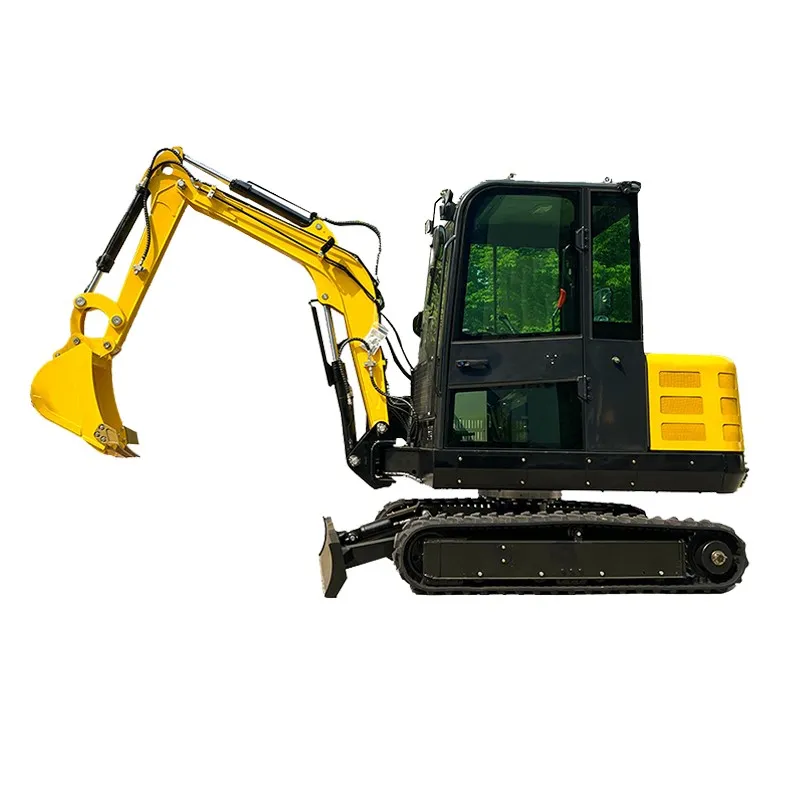
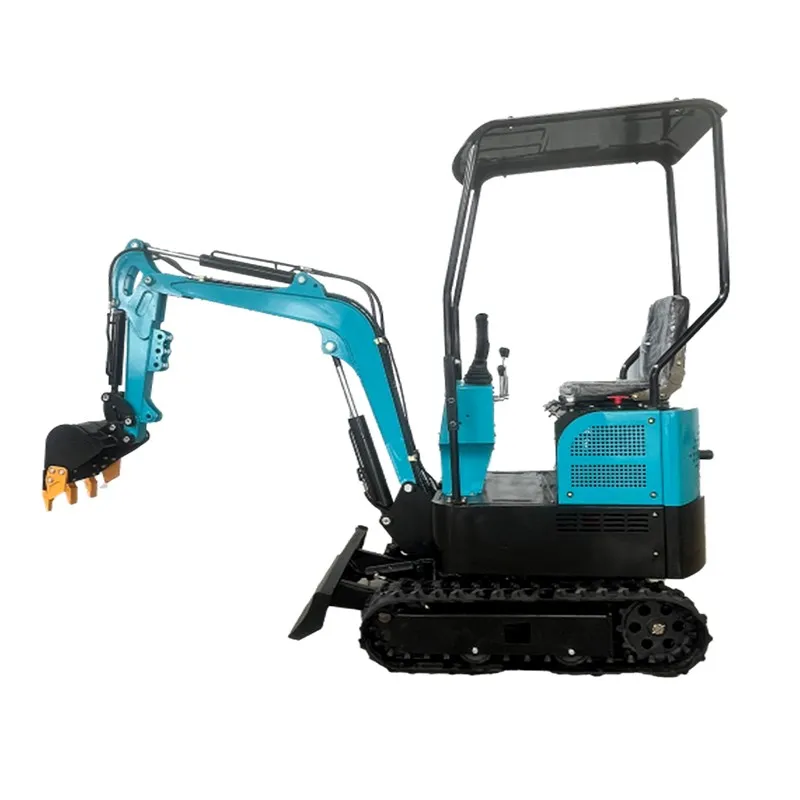
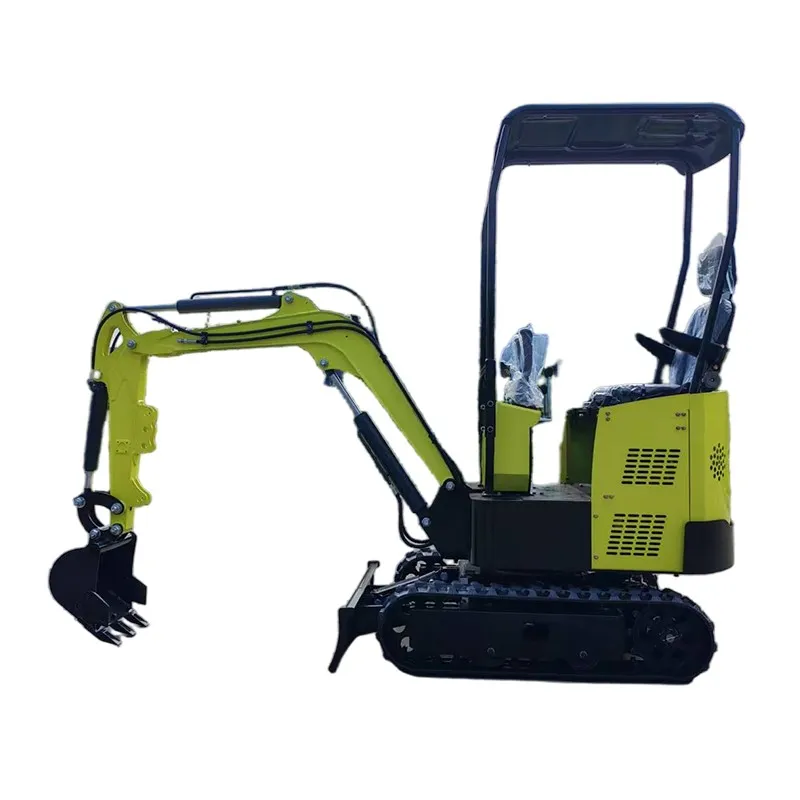
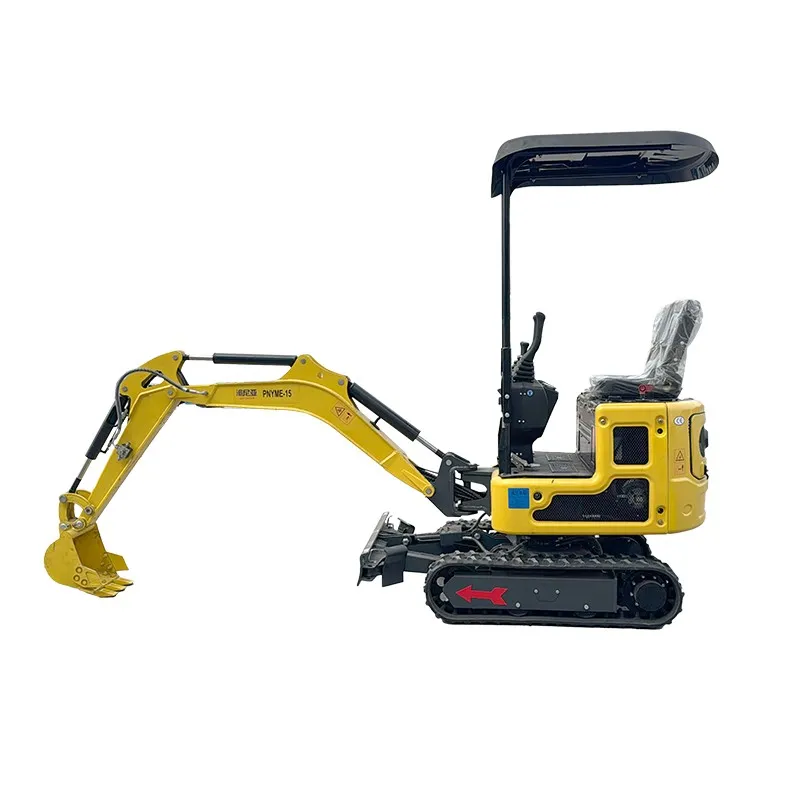
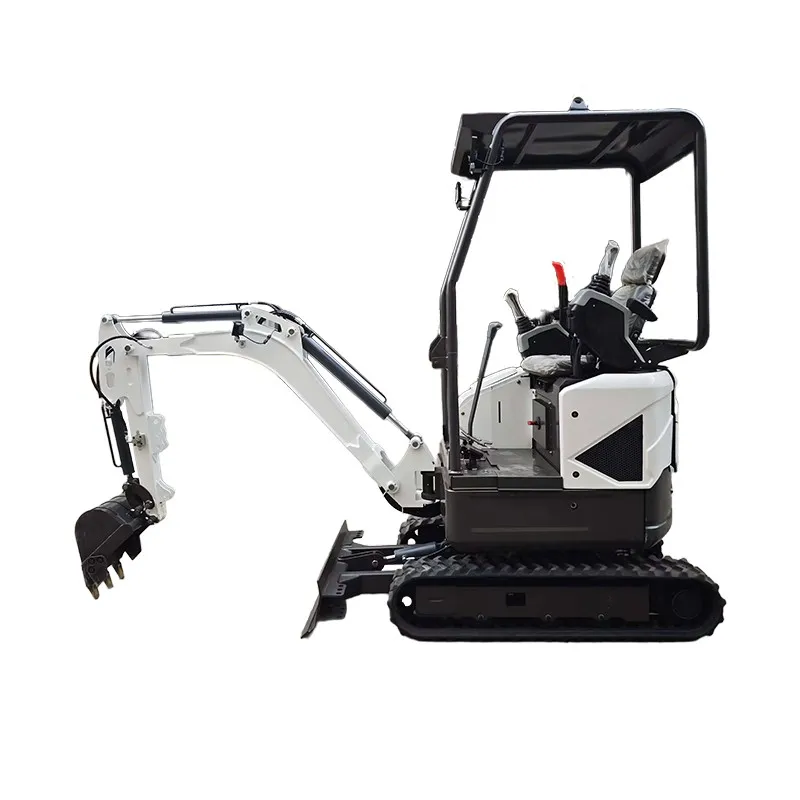
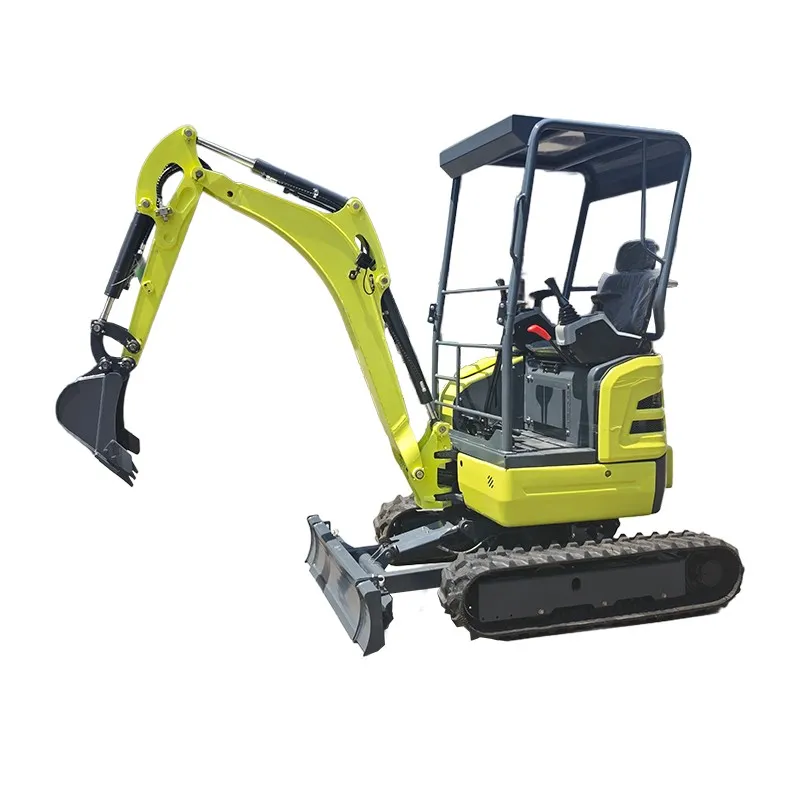
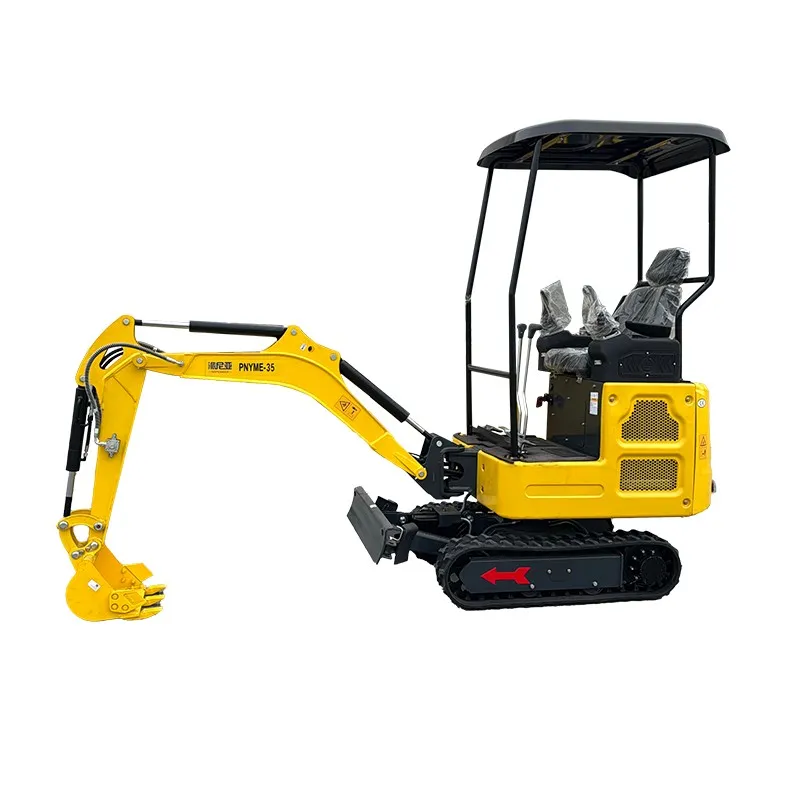
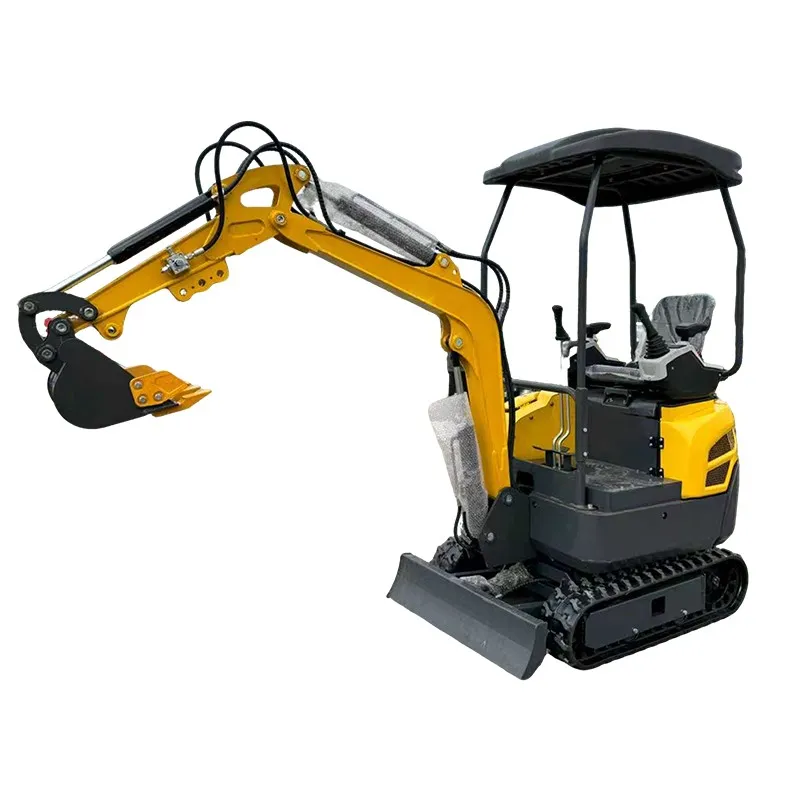
zero tail swing mini excavator
When most folks hear 'zero tail swing mini excavator', they immediately think 'tight spaces' and stop there. That's the first mistake. The real value isn't just about not hitting a fence behind you; it's about how that design fundamentally changes your workflow rhythm on a congested site. I've seen too many guys get hung up on the swing radius number alone, only to realize later that a poorly balanced machine or a weak hydraulic flow can make that 'zero tail' advantage feel meaningless. It's a system, not just a feature.
The Anatomy of a True Zero-Tail Workhorse
Let's break down what separates a good one from a marketing gimmick. The counterweight design is everything. Some manufacturers just shove the weight lower and call it a day, which murders stability on a side slope. A proper design integrates it into the undercarriage. I remember running an early model from a now-defunct brand where the operator would literally feel the machine 'walk' when swinging with a full bucket on a slight incline. That's a deal-breaker.
Then there's the hydraulic plumbing. With the tail eliminated, the hydraulic swing motor and its lines are packed tight in the upper structure. Heat dissipation becomes a critical, often overlooked, factor. On a long, hot day of trenching, I've witnessed machines where the swing would get sluggish and jerky—not due to pump failure, but because the oil was cooking in those cramped lines. A quality build, like what you see from specialists who've been at it for decades, uses specific routing and sometimes even auxiliary cooling loops for that circuit.
And the cab. It seems trivial, but a zero-tail machine often has a different center of rotation. If the cab is placed poorly, the operator's seat isn't aligned with the swing point. You end up constantly feeling like you're spinning around yourself, which is disorienting over an 8-hour shift. The good ones make you feel like you're the pivot point. It's a subtle ergonomic win that cuts fatigue.
2>Where the Rubber Meets the (Uneven) Dirt: Job Site RealitiesEveryone pictures a backyard renovation. Sure, that's a classic case. But where the zero tail swing mini excavator truly earns its keep is in utility work within active urban corridors. Think working between a gas main and a fiber optic conduit box, with traffic barriers two feet behind you. The margin for error is zero. Here, the machine's footprint and its ability to 'crab' with offset booms are as important as the tail swing.
I learned this the hard way on a sewer lateral project. We had a standard mini, and despite careful planning, a slight misjudgment during a 180-degree swing to dump soil grazed a temporary power pole guy-wire. No major damage, but it shut us down for an hour for safety checks. Switched to a true zero-tail machine for the next phase, and the mental relief for the operator was palpable. The productivity didn't just come from faster cycles, but from the removal of that constant background anxiety.
Another reality check: grading against a foundation or a wall. With a conventional mini, you're constantly repositioning to avoid tail strike when you angle the blade. A zero-tail unit lets you get the blade right into the corner and pivot. It seems small, but over a 100-foot foundation wall, the time savings and the precision improvement are massive. You're not just avoiding hits; you're enabling a better work method.
The Manufacturing Pedigree: Why Longevity Matters
This isn't a market for fly-by-night assemblers. The stresses on a zero tail swing chassis are different. The components are packed tighter, tolerances are critical, and the welding on the main frame needs to handle constant torsional forces. A company that's been iterating on this specific design for years will have solved problems a new entrant hasn't even anticipated.
I've followed the trajectory of a manufacturer like Shandong Pioneer Engineering Machinery Co., Ltd. You can trace their evolution. Starting in 2004 in Jining, they've had two decades to refine their platform. That history matters. It means the early issues—like the heat buildup or the balance problems I mentioned—have been engineered out through successive models. When a company like this relocates and expands, as they did to their new facility in Ningyang in 2023, it's usually to scale a proven, mature product line, not to experiment on customers.
Their dual-structure with Shandong Hexin handling manufacturing and Pioneer focusing on overseas trade (sending machines to tough markets like the US, Canada, and Australia) tells you something. It means their design isn't just for a local context; it's built to meet varied, often stringent, international standards and contractor expectations. A machine that works in Germany has to be over-built for reliability. That feedback loop from global customers is invaluable for refinement.
Specs to Scrutinize Beyond the Brochure
Don't just look at operating weight and horsepower. Dig deeper. Ask about the swing motor's displacement and the relief valve pressure setting for the swing circuit. A high-flow auxiliary hydraulic circuit is almost mandatory now for attachments like tilt rotators or breakers—does it come standard or is it a costly add-on? Check the service points. Can you easily reach the swing gearbox grease fittings, or does the entire counterweight cover need to come off?
One spec often buried: the bucket cylinder force. On some compact zero-tail models, they sacrifice digging force to keep the weight down and the profile slim. You end up with a machine that can't peel up compacted soil effectively. It's a trade-off. Always, always demand a demo with the material you actually work with. I've seen machines with great paper specs that bounced right off a clay-heavy trench wall.
Also, consider the track options. Wider tracks improve stability but might negate the 'mini' advantage in some spaces. The availability of rubber and steel options from the manufacturer is a sign of a mature product line. A company that provides both is thinking about the full range of applications, from finished landscaping to rocky demolition.
The Unspoken Economics: Total Cost of Operation
The purchase price is just the entry fee. For a machine working in tight confines, wear and tear is accelerated. You're constantly making micro-movements, loading the undercarriage unevenly. Look at the idlers and rollers. Are they sealed and lubricated for life, or do they have grease fittings? The latter requires diligent maintenance but can be rebuilt in the field. The former is lower maintenance but means a complete replacement when they fail.
Component commonality is huge. Does the mini excavator share hydraulic pumps, swing motors, or final drives with other models in the manufacturer's lineup? If it does, parts are cheaper and more available. A boutique machine with unique parts for every subsystem is a downtime nightmare waiting to happen. This is where a manufacturer with a broad portfolio and long history, like the aforementioned Pioneer, has a hidden advantage. Their parts and service network is built on common platforms.
Finally, resale value. A zero-tail swing machine from a recognized, stable manufacturer holds its value remarkably well. It's a specialized tool that fills an irreplaceable niche. A no-name brand might be 30% cheaper upfront, but it'll be worth scrap metal in five years, while a professional-grade machine will still command 50-60% of its original price if it's been maintained. That's the real cost calculation.
In the end, choosing the right zero tail swing mini excavator is about seeing past the single headline feature. It's about judging the entire engineering philosophy behind it, the manufacturer's commitment to solving real-world problems, and how the machine's DNA aligns with the specific, gritty realities of your daily grind. The best ones feel like an extension of your own instincts on site, not just a piece of equipment you have to constantly babysit.
Related Products
Related Products