



- English
- Chinese
- French
- German
- Portuguese
- Spanish
- Russian
- Japanese
- Korean
- Arabic
- Irish
- Greek
- Turkish
- Italian
- Danish
- Romanian
- Indonesian
- Czech
- Afrikaans
- Swedish
- Polish
- Catalan
- Esperanto
- Hindi
- Lao
- Albanian
- Amharic
- Armenian
- Azerbaijani
- Belarusian
- Bengali
- Bosnian
- Bulgarian
- Cebuano
- Chichewa
- Corsican
- Croatian
- Dutch
- Estonian
- Filipino
- Finnish
- Frisian
- Galician
- Georgian
- Gujarati
- Haitian
- Hausa
- Hawaiian
- Hebrew
- Hmong
- Hungarian
- Icelandic
- Igbo
- Javanese
- Kannada
- Kazakh
- Khmer
- Kurdish
- Kyrgyz
- Latin
- Latvian
- Lithuanian
- Luxembou..
- Macedonian
- Malagasy
- Malay
- Malayalam
- Maltese
- Maori
- Marathi
- Mongolian
- Burmese
- Nepali
- Norwegian
- Pashto
- Persian
- Punjabi
- Serbian
- Sesotho
- Sinhala
- Slovak
- Slovenian
- Somali
- Samoan
- Scots Gaelic
- Shona
- Sindhi
- Sundanese
- Swahili
- Tajik
- Tamil
- Telugu
- Thai
- Ukrainian
- Urdu
- Uzbek
- Vietnamese
- Welsh
- Xhosa
- Yiddish
- Yoruba
- Zulu
- Kinyarwanda
- Tatar
- Oriya
- Turkmen
- Uyghur


John Deere Mini Excavator for Sale: Top Factory Direct Price 2026
2026-05-28
- What Is a John Deere Mini Excavator?
- Top John Deere Mini Excavator Models for 2026
- Why Choose Factory Direct Pricing?
- Key Features Defining the 2026 Lineup
- Comparative Analysis of Model Tiers
- Essential Maintenance Practices
- Versatile Applications Across Industries
- Frequently Asked Questions
- Making the Right Investment Decision
Looking for a john deere mini excavator with factory-direct pricing for 2026? These compact machines deliver exceptional versatility, precision, and durability for residential, utility, and landscaping projects. Our guide covers top models, key specifications, buying advantages, and essential maintenance tips to help you secure the best value directly from authorized sources without intermediaries.
What Is a John Deere Mini Excavator?
A john deere mini excavator is a compact construction machine designed for digging, trenching, and material handling in confined spaces. Weighing typically under six tons, these units combine hydraulic power with zero-tail-swing capabilities, allowing operators to work safely near walls and fences. The brand is renowned for integrating advanced fluid dynamics and ergonomic cab designs that reduce operator fatigue during long shifts.
Industry professionals favor these machines for their reliability in diverse soil conditions. Unlike larger counterparts, mini excavators offer superior maneuverability on job sites with limited access. The 2026 lineup emphasizes fuel efficiency and reduced emissions, aligning with global environmental standards while maintaining high breakout force metrics essential for tough digging tasks.
Top John Deere Mini Excavator Models for 2026
Selecting the right model depends on your specific project requirements, such as digging depth, lift capacity, and transport constraints. The current portfolio ranges from ultra-compact units for indoor demolition to slightly larger models capable of heavy-duty utility work. Each tier offers distinct advantages tailored to different operational scales.
The Ultra-Compact Series: Ideal for Tight Spaces
The smallest entries in the lineup are engineered for environments where space is at a premium. These machines feature a minimal footprint and often include retractable undercarriages to fit through standard doorways. They are perfect for interior renovations, backyard landscaping, and utility repairs in crowded urban settings.
- Zero Tail Swing: The rear counterweight stays within the track width, preventing damage to surrounding structures.
- Low Ground Pressure: Wide tracks distribute weight evenly, protecting delicate surfaces like lawns or paved driveways.
- Easy Transport: Lightweight design allows towing with standard pickup trucks, eliminating the need for heavy haulers.
Operators appreciate the intuitive controls and excellent visibility from the cab. Despite their size, these units deliver surprising hydraulic power, enabling them to break concrete and dig frozen ground effectively. Their compact nature does not compromise on attachment compatibility, supporting augers, breakers, and grapples.
The Mid-Range Utility Performers
For contractors needing a balance between power and portability, the mid-range models represent the industry sweet spot. These excavators handle deeper trenches and heavier loads while remaining transportable on smaller trailers. They are the go-to choice for plumbing installations, fence post digging, and general site preparation.
Enhanced hydraulic flow rates in this category support a wider variety of powered attachments. The boom geometry is optimized for greater reach and dump height, increasing versatility when loading trucks or placing materials over barriers. Durability features include reinforced booms and heavy-duty track frames designed to withstand abrasive working conditions.
- Increased Digging Depth: Capable of reaching depths required for water lines and foundation footings.
- Higher Lift Capacity: Safely handles heavier pipes, concrete blocks, and lumber bundles.
- Advanced Climate Control: Sealed cabs with HVAC systems ensure comfort in extreme weather.
Heavy-Duty Compact Options
At the upper end of the mini excavator spectrum, these machines approach the performance of full-sized equipment while retaining compact dimensions. They are suited for demanding applications like roadwork, slope grading, and large-scale excavation where productivity is paramount. The 2026 updates focus on engine torque and hydraulic response times.
These units often feature optional long-undercarriage configurations for enhanced stability on uneven terrain. The structural integrity is bolstered to handle continuous high-stress operations. For businesses running multiple shifts, the ease of service access reduces downtime, ensuring maximum uptime during critical project phases.
Why Choose Factory Direct Pricing?
Purchasing a john deere mini excavator directly from authorized factory channels offers significant financial and logistical benefits. Eliminating third-party markups ensures you receive the most competitive price available in the market. This approach also guarantees that the equipment is brand new, with full warranty coverage and authentic parts.
Direct engagement simplifies the customization process. Buyers can specify exact attachment packages, track types, and cab configurations before production. This tailored approach prevents the common issue of purchasing off-the-lot machines that require immediate modifications. Furthermore, factory-direct deals often include comprehensive training programs for operators and maintenance staff.
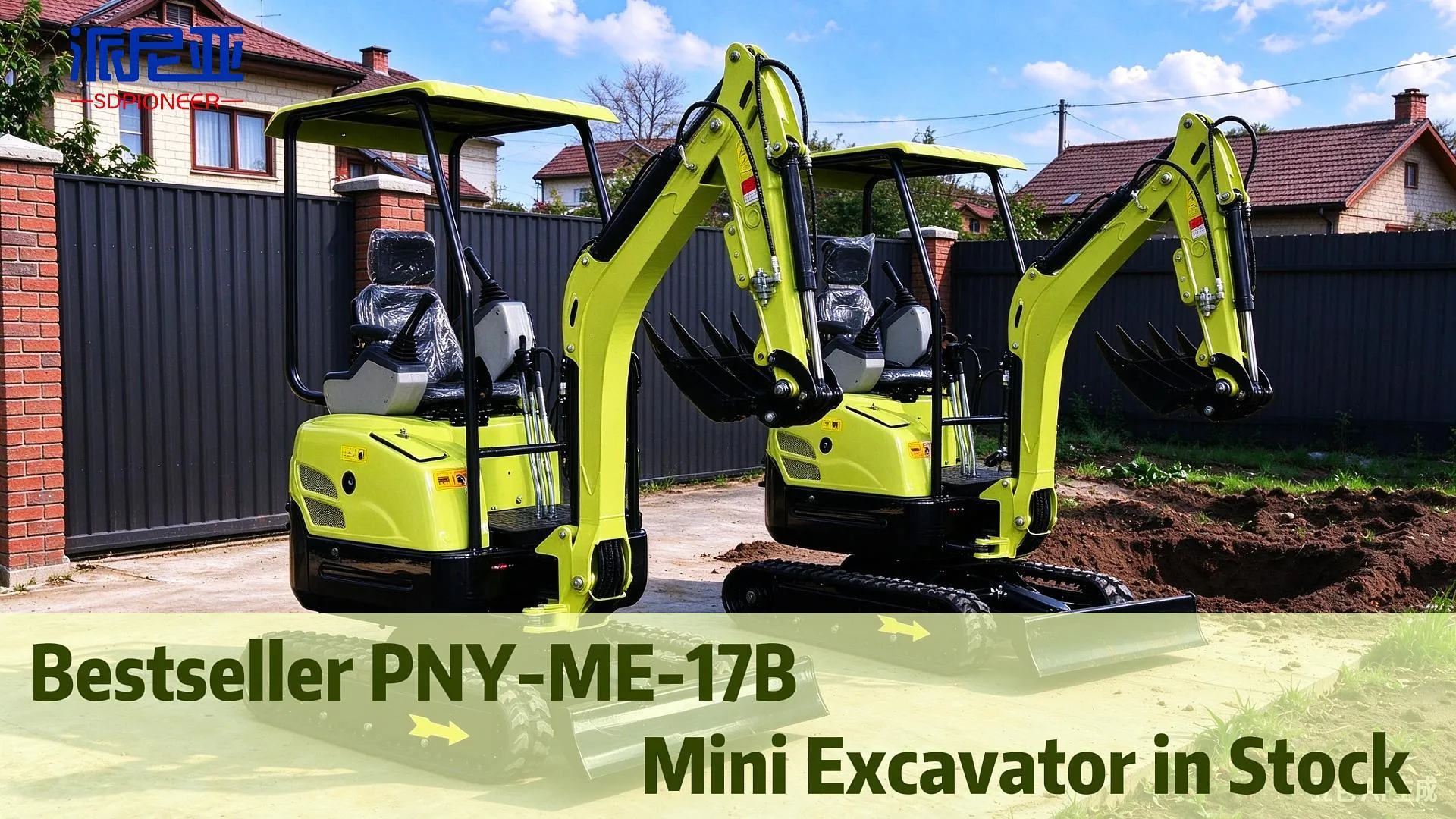
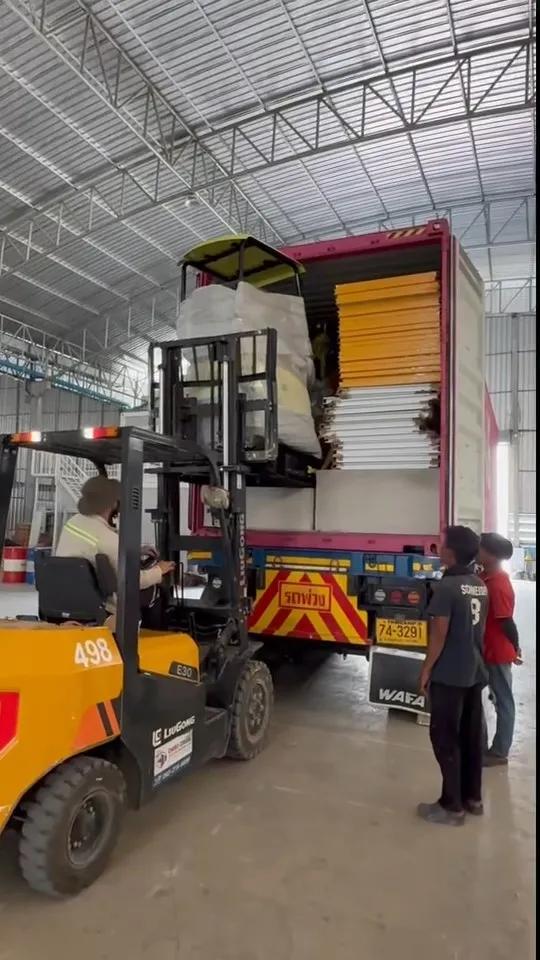
To truly understand the value of factory-direct sourcing, it helps to look at established manufacturing hubs like Shandong, China, where decades of expertise converge. For instance, companies with roots dating back to 2004 in Jining have evolved into global powerhouses, recently expanding to larger facilities in Tai’an City to meet international demand. Entities such as Shandong Hexin (manufacturing) and Shandong Pioneer (overseas trade) exemplify this growth, exporting high-quality machinery and components to markets including the United States, Canada, Germany, and Australia. With over 20 years of accumulation, these manufacturers specialize in more than 300 types of key excavator components—such as arms, booms, and buckets—while also assembling complete micro construction machinery and intelligent energy storage systems. Their commitment to quality has earned the trust of Fortune Global 500 clients like Caterpillar, Komatsu, and XCMG, proving that direct partnerships with experienced producers yield superior reliability and performance.
- Transparent Cost Structure: No hidden dealer fees or unnecessary add-ons inflate the final price.
- Priority Support: Direct lines to technical experts ensure rapid resolution of any operational queries.
- Genuine Parts Assurance: Guaranteed access to original components extends the machine’s lifespan.
In the current market, supply chain efficiencies have improved, allowing faster delivery times for direct orders. Investors and contractors who leverage these channels report better total cost of ownership over the equipment’s lifecycle. The assurance of dealing with the source provides peace of mind regarding compliance and safety standards.
Key Features Defining the 2026 Lineup
The latest generation of mini excavators incorporates cutting-edge technology to enhance productivity and safety. Manufacturers have focused on refining hydraulic systems, improving engine efficiency, and integrating smart monitoring tools. These advancements address the evolving needs of modern construction sites, where precision and data-driven decisions are crucial.
Advanced Hydraulic Systems
Modern hydraulics provide smoother control and faster cycle times. Variable displacement pumps adjust flow based on demand, reducing fuel consumption without sacrificing power. This intelligent management allows for simultaneous movements, such as swinging and lifting, with minimal loss of speed or precision.
The implementation of load-sensing technology ensures that hydraulic pressure is delivered exactly where needed. This reduces heat generation and wear on system components. Operators notice a significant difference in fine control, essential for tasks like grading around sensitive utilities or placing fragile materials.
Ergonomic Operator Environments
Operator comfort directly impacts productivity and safety. The 2026 cabs feature adjustable suspension seats, low-effort joysticks, and panoramic glass for unobstructed views. Noise levels are minimized through advanced insulation, protecting hearing and reducing fatigue during extended operation.
- Intuitive Interfaces: Touchscreen displays provide real-time diagnostics and machine settings.
- Climate Optimization: Efficient heating and cooling systems maintain ideal temperatures year-round.
- Safety Enhancements: Integrated cameras and proximity sensors alert operators to blind-spot hazards.
These human-centric designs reflect an understanding that the operator is the most critical component of the system. By reducing physical strain and mental stress, the machine enables higher quality work output over longer periods. This focus on ergonomics is a hallmark of premium engineering in the sector.
Fuel Efficiency and Emissions Compliance
Meeting stringent global emission regulations without compromising performance is a primary achievement of the new models. Advanced combustion engines and optional electric drive systems offer cleaner operation. Fuel-saving modes automatically adjust engine RPM based on workload, significantly lowering operating costs.
The shift towards sustainability does not hinder power output. Turbocharged engines deliver consistent torque across a wide range of speeds. For projects in environmentally sensitive areas, the reduced exhaust emissions and lower noise profiles allow work to proceed without disturbing local ecosystems or communities.
Comparative Analysis of Model Tiers
Understanding the differences between model tiers helps buyers align their investment with project demands. While all units share core brand DNA, specific capabilities vary to suit different applications. The following table outlines key distinctions to guide your selection process.
| Feature | Ultra-Compact Series | Mid-Range Utility | Heavy-Duty Compact |
|---|---|---|---|
| Primary Use Case | Indoor demolition, landscaping | Utility installation, fencing | Roadwork, heavy excavation |
| Transport Requirement | Standard pickup truck | Small trailer | Medium-duty trailer |
| Digging Depth | Limited to shallow trenches | Moderate to deep | Maximum for class |
| Lift Capacity | Light materials only | Moderate loads | Heavy pipes and blocks |
| Hydraulic Flow | Standard for basic attachments | High flow optional | Standard high flow |
| Undercarriage Width | Retractable for narrow access | Fixed or manual adjust | Wide for stability |
This comparison highlights how scaling up in size brings proportional increases in capability. However, the ultra-compact models remain unmatched for accessibility. Choosing the wrong tier can lead to inefficiencies; an oversized machine may struggle in tight spots, while an undersized one might stall on heavy tasks.
Essential Maintenance Practices
Proper maintenance is vital to preserving the value and performance of your john deere mini excavator. Regular inspections prevent minor issues from escalating into costly repairs. Adhering to a structured schedule ensures the machine remains reliable throughout its operational life.
Daily Inspection Routines
Before starting work each day, operators should conduct a thorough walk-around inspection. Check fluid levels including engine oil, hydraulic fluid, and coolant. Inspect tracks for tension and damage, ensuring no debris is lodged in the undercarriage. Look for hydraulic leaks around hoses and connections.
- Clean Air Filters: Remove dust buildup to prevent engine strain.
- Lubrication: Grease all pivot points to reduce friction and wear.
- Safety Checks: Test lights, horns, and emergency stop functions.
Neglecting daily checks can lead to premature component failure. A few minutes spent verifying conditions can save hours of downtime later. Documenting these inspections creates a valuable history for resale purposes and warranty claims.
Scheduled Service Intervals
Beyond daily tasks, adhere strictly to manufacturer-recommended service intervals for oil changes and filter replacements. Hydraulic filters should be changed regularly to maintain system cleanliness. Engine oil analysis can predict internal wear before catastrophic failure occurs.
Track adjustment and roller inspection are critical for undercarriage longevity. Worn rollers or loose tracks increase fuel consumption and reduce stability. Professional servicing annually ensures that complex systems like the pump and motor are functioning within specified tolerances.
Versatile Applications Across Industries
The adaptability of the john deere mini excavator makes it indispensable across various sectors. From agriculture to urban development, these machines solve complex challenges with ease. Their ability to accept numerous attachments expands their utility far beyond simple digging.
Residential Construction and Landscaping
In residential settings, these excavators are used for digging foundations, swimming pools, and drainage systems. Landscapers utilize them for planting large trees, creating ponds, and grading driveways. The low ground pressure ensures that finished lawns and gardens remain undamaged during operations.
Homeowners and small contractors benefit from the machine’s quiet operation and minimal vibration. This allows work to proceed in neighborhoods without causing disturbances. The precision offered is essential when working near existing structures, fences, and underground utilities.
Utility and Infrastructure Projects
Utility companies rely on mini excavators for installing gas, water, and fiber optic lines. The ability to dig narrow, deep trenches with vertical walls minimizes surface disruption. In urban environments, their compact size allows access to alleys and backyards where larger equipment cannot enter.
- Potholing: Safely expose underground lines to verify location before major excavation.
- Manhole Installation: Precise lifting and placement of heavy concrete rings.
- Street Repair: Cutting asphalt and removing debris for patching operations.
The versatility extends to winter maintenance as well, with snow blowers and plows available as attachments. This multi-season utility maximizes the return on investment for fleet owners. The robust build quality ensures they can handle the rigors of municipal work schedules.
Frequently Asked Questions
Addressing common inquiries helps clarify doubts potential buyers may have regarding ownership and operation. These answers are based on industry standards and typical user experiences with this class of equipment.
Can a mini excavator be towed by a standard truck?
Yes, most ultra-compact and some mid-range models are light enough to be towed by a heavy-duty pickup truck with the appropriate trailer and hitch rating. It is crucial to check the gross vehicle weight rating (GVWR) of both the truck and the trailer to ensure legal and safe transport. Always secure the machine properly using rated chains and binders.
What attachments are compatible with these machines?
The universal quick coupler system allows for rapid switching between various tools. Common attachments include hydraulic breakers, augers, grapples, tilt buckets, and compaction wheels. Compatibility depends on the hydraulic flow rate and pin size of the specific model. Consulting the manufacturer’s attachment guide ensures optimal pairing.
How does the fuel consumption compare to larger excavators?
Mini excavators consume significantly less fuel than full-sized machines due to their smaller engines and efficient hydraulic systems. While exact figures vary by workload, the cost per hour of operation is markedly lower. This efficiency makes them economically viable for smaller jobs where running a large rig would be wasteful.
Is operator certification required?
Regulations vary by region, but formal training is highly recommended regardless of legal requirements. Understanding machine stability, load charts, and safety protocols prevents accidents. Many dealers offer certified training programs upon purchase. Employers often mandate certification to comply with insurance and liability policies.
Making the Right Investment Decision
Investing in a john deere mini excavator is a strategic move for enhancing operational capacity. The combination of factory-direct pricing, robust engineering, and versatile application makes it a compelling choice for 2026. Buyers should assess their specific project pipelines to determine the ideal model tier.
Consider the long-term value rather than just the initial purchase price. Factors such as fuel efficiency, resale value, and maintenance costs play a significant role in total ownership expenses. The reputation of the brand for durability ensures that the asset retains value over time, providing a solid foundation for business growth.
For those ready to upgrade their fleet or enter the market, now is an opportune time. The 2026 models offer refined technologies that address previous limitations. Taking the step to consult with authorized representatives will yield personalized insights and configuration options tailored to your unique needs.
Next Steps for Prospective Buyers
To proceed, evaluate your current project requirements and budget constraints. Identify the specific tasks where a mini excavator would improve efficiency. Reach out to direct sales channels to request detailed specifications and current availability. Scheduling a demonstration can provide hands-on experience to confirm the machine’s suitability for your workflow.
Remember that the right equipment partnership extends beyond the sale. Ensure your chosen provider offers robust after-sales support, parts availability, and technical assistance. With careful planning and the right machine, you can achieve superior results on every job site while maximizing your return on investment.


Please leave us a message


