



- English
- Chinese
- French
- German
- Portuguese
- Spanish
- Russian
- Japanese
- Korean
- Arabic
- Irish
- Greek
- Turkish
- Italian
- Danish
- Romanian
- Indonesian
- Czech
- Afrikaans
- Swedish
- Polish
- Catalan
- Esperanto
- Hindi
- Lao
- Albanian
- Amharic
- Armenian
- Azerbaijani
- Belarusian
- Bengali
- Bosnian
- Bulgarian
- Cebuano
- Chichewa
- Corsican
- Croatian
- Dutch
- Estonian
- Filipino
- Finnish
- Frisian
- Galician
- Georgian
- Gujarati
- Haitian
- Hausa
- Hawaiian
- Hebrew
- Hmong
- Hungarian
- Icelandic
- Igbo
- Javanese
- Kannada
- Kazakh
- Khmer
- Kurdish
- Kyrgyz
- Latin
- Latvian
- Lithuanian
- Luxembou..
- Macedonian
- Malagasy
- Malay
- Malayalam
- Maltese
- Maori
- Marathi
- Mongolian
- Burmese
- Nepali
- Norwegian
- Pashto
- Persian
- Punjabi
- Serbian
- Sesotho
- Sinhala
- Slovak
- Slovenian
- Somali
- Samoan
- Scots Gaelic
- Shona
- Sindhi
- Sundanese
- Swahili
- Tajik
- Tamil
- Telugu
- Thai
- Ukrainian
- Urdu
- Uzbek
- Vietnamese
- Welsh
- Xhosa
- Yiddish
- Yoruba
- Zulu
- Kinyarwanda
- Tatar
- Oriya
- Turkmen
- Uyghur


Top CAT Mini Excavator Manufacturer: Best Factory Price 2026
2026-05-25
- What Defines a High-Performance Cat Mini Excavator?
- Why Choose Direct Factory Pricing in 2026?
- Core Features of Modern Compact Excavators
- Application Scenarios for Mini Excavators
- Operational Best Practices and Maintenance
- Selecting the Right Model for Your Needs
- Frequently Asked Questions About Mini Excavators
- Future Trends in Compact Excavation Technology
- Conclusion: Making the Right Investment Decision
Looking for a reliable cat mini excavator at the best factory price in 2026? This guide explores top-tier manufacturing standards, key features, and selection criteria for compact excavation equipment. We analyze current industry trends to help buyers identify high-performance machines that deliver durability and efficiency without brand confusion. Discover how modern factories are redefining value in the compact earthmoving sector.
What Defines a High-Performance Cat Mini Excavator?
A cat mini excavator represents the pinnacle of compact construction machinery, designed for precision digging in confined spaces. These machines combine robust hydraulic systems with ergonomic operator environments to maximize productivity. In 2026, manufacturing focuses on fuel efficiency, reduced emissions, and enhanced connectivity features.
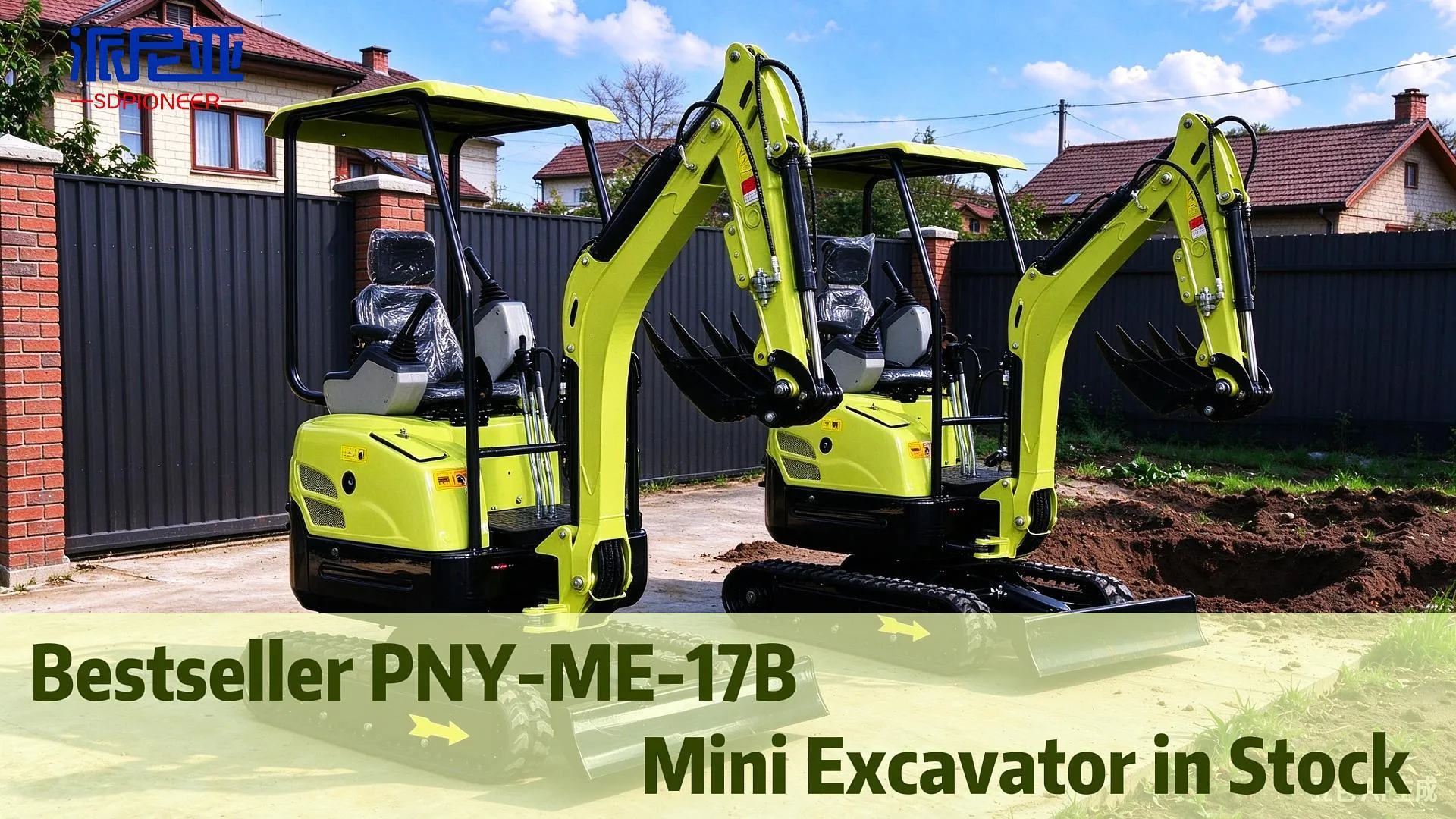
The core definition revolves around machines typically weighing under 6 tons, offering zero-tail swing capabilities, and versatile attachment compatibility. Industry leaders prioritize structural integrity and component longevity. Understanding these fundamentals helps buyers distinguish between standard offerings and premium factory-direct solutions.
Modern units integrate advanced load-sensing hydraulics that adjust power delivery based on resistance. This technology ensures smooth operation while minimizing fuel consumption. The term “mini” refers not just to size but to optimized power-to-weight ratios suitable for urban infrastructure projects.
Key Technical Specifications to Evaluate
When assessing a cat mini excavator, specific technical parameters determine suitability for your project needs. Engine horsepower, operating weight, and digging depth form the primary triad of evaluation. Factory specifications often highlight breakout force and lift capacity at various radii.
- Operating Weight: Determines stability and transport requirements.
- Engine Power: Influences hydraulic flow and cycle times.
- Digging Depth: Critical for trenching and foundation work.
- Tail Swing Radius: Essential for working near walls or fences.
Buyers should verify hydraulic flow rates compatible with intended attachments like breakers or augers. Standard models often provide auxiliary hydraulic circuits as optional upgrades. Checking these specs against project demands prevents underpowered performance issues.
Why Choose Direct Factory Pricing in 2026?
Sourcing a cat mini excavator directly from the manufacturer eliminates intermediary markups, ensuring competitive pricing. In 2026, global supply chain optimizations allow factories to offer transparent cost structures. This approach provides better warranty terms and direct access to spare parts.
Direct engagement fosters stronger relationships between buyers and production teams. Manufacturers can customize configurations based on specific regional requirements or job site conditions. This flexibility is rarely available through third-party dealerships focused on inventory turnover.
Factory-direct purchases often include comprehensive training programs and extended service agreements. Buyers gain insights into maintenance schedules and operational best practices directly from engineers. This knowledge transfer enhances machine lifespan and reduces total ownership costs over time.
The Advantage of Established Manufacturing Expertise
When selecting a factory partner, experience and scale matter significantly. A prime example of this evolution is found in Shandong, where a leading manufacturer established its roots in Jining in July 2004. Starting with a 1,600-square-meter production facility, the company spent two decades refining its craft before relocating to a larger, state-of-the-art campus in Ningyang County, Tai’an City, in August 2023. This expansion reflects a commitment to scaling quality alongside capacity.
Operating through dedicated entities for domestic manufacturing (Shandong Hexin) and overseas trade (Shandong Pioneer), this enterprise now exports to major markets including the United States, Canada, Germany, and Australia. Their portfolio extends beyond complete micro construction machinery to include over 300 types of critical excavator components—such as arms, booms, and buckets—compatible with small and medium-sized units. Notably, their rigorous quality standards have earned them the trust of Fortune Global 500 giants like Caterpillar, Komatsu, Shantui, Sumitomo, XCMG, and Sinotruk. Partnering with such seasoned manufacturers ensures that every cat mini excavator or component meets the highest global benchmarks for durability and performance.
Cost Benefits vs. Dealer Markups
Traditional distribution channels add layers of logistics and storage costs to the final price. By contrast, factory pricing reflects actual production expenses plus a reasonable margin. Recent industry shifts favor direct sales models to remain competitive in volatile markets.
| Factor | Factory Direct | Traditional Dealer |
|---|---|---|
| Base Price | Lower (No Middlemen) | Higher (Added Margins) |
| Customization | High Flexibility | Limited Options |
| Warranty Support | Direct Manufacturer Line | Dealer Dependent |
| Spare Parts Access | Immediate Availability | Potential Delays |
Understanding these differences empowers buyers to make informed financial decisions. The savings realized from factory pricing can be reinvested into additional attachments or extended service plans. This strategic allocation maximizes the return on investment for construction fleets.
Core Features of Modern Compact Excavators
Today’s cat mini excavator models incorporate cutting-edge technologies to enhance safety and efficiency. Zero-tail swing designs allow rotation within the track footprint, crucial for urban environments. Advanced climate control systems ensure operator comfort during extended shifts.
Hydraulic systems now feature intelligent pressure monitoring to prevent overload damage. Quick coupler mechanisms enable rapid attachment changes without leaving the cab. These innovations reduce downtime and increase daily output significantly compared to older generations.
Safety remains paramount with integrated rollover protection structures and falling object guards. Visibility improvements include larger glass areas and camera systems eliminating blind spots. Such features align with increasingly strict global workplace safety regulations.
Hydraulic System Efficiency
The heart of any excavator lies in its hydraulic architecture. Modern systems utilize variable displacement pumps that match flow to demand instantly. This responsiveness translates to smoother movements and precise control during delicate operations.
- Load Sensing Technology: Adjusts pump output based on resistance.
- Energy Recovery Systems: Captures kinetic energy during boom lowering.
- Multi-Function Capability: Allows simultaneous arm and bucket movement.
Efficient hydraulics reduce heat generation, extending component life and maintaining consistent performance. Regular fluid analysis and filter replacements are essential to preserve system integrity. Operators notice immediate differences in responsiveness when comparing legacy systems to new designs.
Application Scenarios for Mini Excavators
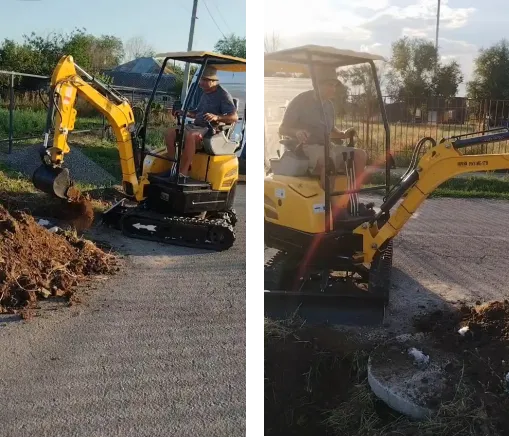
The versatility of a cat mini excavator makes it indispensable across diverse industries. Residential landscaping projects benefit from their ability to navigate narrow gates and protect existing hardscapes. Utility companies rely on them for precise trenching around buried infrastructure.
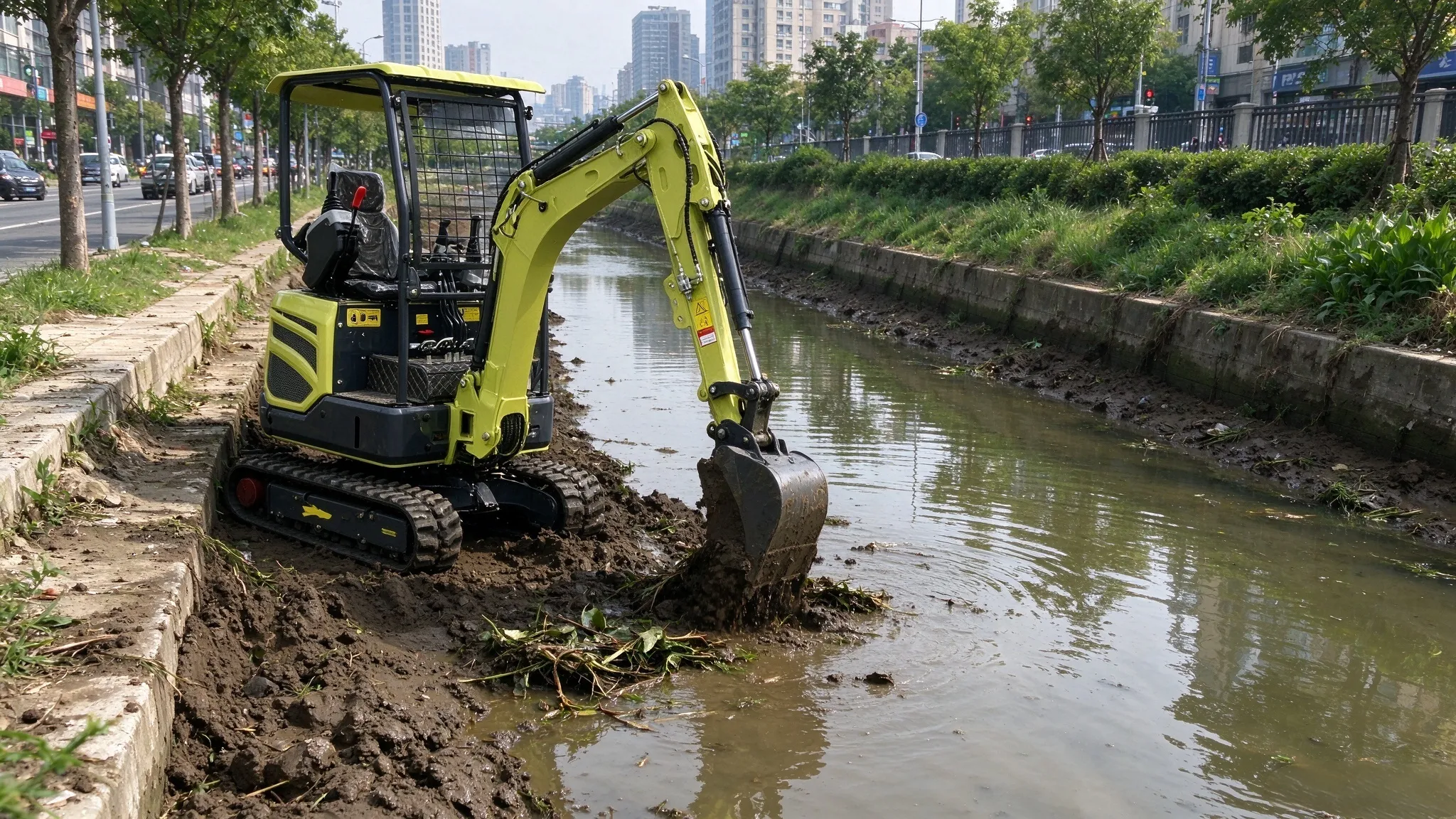
Demolition contractors use specialized attachments to dismantle structures indoors where larger equipment cannot enter. Agricultural sectors employ these machines for irrigation ditch maintenance and fence post installation. Their compact footprint minimizes soil compaction compared to heavier alternatives.
Municipalities utilize mini excavators for park maintenance and sidewalk repairs without disrupting traffic flow. The ability to work in confined spaces while delivering significant force opens numerous possibilities. Selecting the right configuration depends heavily on the primary application domain.
Urban Construction Constraints
Working in cities presents unique challenges requiring specialized equipment solutions. Noise restrictions often mandate low-decibel engines or electric variants. Emission zones prohibit diesel-powered machines, driving demand for alternative fuel options.
Zero-tail swing models excel in alleyways and backyards where space is limited. Rubber tracks prevent damage to paved surfaces while providing adequate traction. Operators must consider transport dimensions to ensure machines fit on standard trailers without special permits.
Adaptability to tight quarters defines success in urban settings. Machines with retractable undercarriages can pass through standard doorways for indoor renovations. This level of accessibility expands the range of viable projects for contracting businesses.
Operational Best Practices and Maintenance
Maximizing the lifespan of a cat mini excavator requires adherence to strict maintenance protocols. Daily inspections should focus on fluid levels, track tension, and visible wear points. Neglecting minor issues often leads to costly repairs and unplanned downtime.
Proper warm-up procedures ensure hydraulic oil reaches optimal viscosity before heavy loading. Operators should avoid abrupt movements that stress structural components unnecessarily. Consistent lubrication of pivot points prevents premature bushing failure and maintains smooth articulation.
Seasonal adjustments account for temperature variations affecting engine performance and battery life. Storing machines in sheltered environments protects sensitive electronics from moisture and extreme weather. A proactive maintenance culture significantly reduces total cost of ownership.
Step-by-Step Daily Inspection Routine
Implementing a structured checklist ensures no critical element is overlooked before starting work. This routine takes only minutes but prevents major mechanical failures later. Training all operators on this protocol standardizes care across the fleet.
- Check Fluid Levels: Verify engine oil, coolant, and hydraulic reservoirs.
- Inspect Tracks: Look for cracks, loose bolts, or excessive wear patterns.
- Test Safety Devices: Ensure seat belts, alarms, and emergency stops function correctly.
- Examine Attachments: Confirm pins, buckets, and couplers are secure and undamaged.
- Clean Air Filters: Remove debris to maintain proper airflow to the engine.
Documenting findings creates a historical record useful for predicting future maintenance needs. Digital logs can trigger automatic reminders for scheduled services. This systematic approach builds reliability into daily operations regardless of project intensity.
Selecting the Right Model for Your Needs
Choosing the ideal cat mini excavator involves balancing budget constraints with performance requirements. Entry-level models suit occasional users needing basic digging capabilities. Professional contractors may require higher horsepower and advanced telemetry features.
Consider the typical soil conditions encountered on job sites. Rocky terrain demands reinforced undercarriages and heavy-duty buckets. Sandy soils might benefit from wider tracks to distribute weight evenly and prevent sinking. Matching machine specs to ground conditions optimizes efficiency.
Future-proofing investments means selecting platforms with upgrade paths for new attachments. Modular designs allow integration of emerging technologies like GPS grading systems. Evaluating long-term scalability ensures the machine remains relevant as business needs evolve.
Comparison of Common Configurations
Different configurations cater to specific operational profiles ranging from light utility to heavy demolition. Understanding these distinctions helps buyers avoid overpaying for unnecessary features or under-specifying critical capabilities.
| Configuration Type | Ideal Use Case | Key Advantage |
|---|---|---|
| Standard Track | General Earthmoving | Balanced Stability and Speed |
| Wide Track | Soft Ground Conditions | Reduced Ground Pressure |
| Zero Tail Swing | Confined Urban Spaces | Maximum Maneuverability |
| Long Reach Arm | Deep Trenching | Extended Digging Depth |
Each variant offers distinct advantages depending on the primary workflow. Consulting with engineering teams can clarify which setup delivers the highest ROI for specific applications. Customization options further refine the match between machine and mission profile.
Frequently Asked Questions About Mini Excavators
Buyers often have common queries regarding operation, maintenance, and purchasing logistics. Addressing these concerns upfront builds confidence in the decision-making process. Clear answers demystify complex technical aspects for non-expert stakeholders.
Questions about fuel consumption vary widely based on workload intensity and operator skill. Average usage figures provide benchmarks but real-world results depend on many variables. Transparency about these factors sets realistic expectations for new owners.
Warranty coverage details differ among manufacturers and regions. Understanding what is included versus what requires extra purchase prevents surprises later. Comprehensive support packages often prove more valuable than slight initial price differences.
Common Queries and Expert Answers
Below are responses to frequent inquiries received by manufacturing specialists. These insights reflect collective industry experience and practical field knowledge gathered over years of operation.
- How often should hydraulic filters be changed? Typically every 500 operating hours, though severe conditions may require more frequent replacement.
- Can I operate in freezing temperatures? Yes, provided proper antifreeze mixes are used and the machine is warmed up gradually.
- What is the average lifespan of a mini excavator? With diligent maintenance, units often exceed 10,000 operating hours before major overhaul.
- Are electric models viable for heavy work? Emerging battery technologies now support moderate-duty cycles with zero emissions benefits.
These answers serve as general guidelines rather than absolute rules. Specific model manuals always take precedence over generic advice. Engaging with technical support teams ensures tailored recommendations for unique situations.
Future Trends in Compact Excavation Technology
The landscape of cat mini excavator development continues evolving rapidly toward sustainability and automation. Electric powertrains eliminate exhaust fumes, making them ideal for indoor and sensitive environmental zones. Battery swapping stations reduce downtime associated with charging cycles.
Telematics systems provide real-time data on location, fuel usage, and health diagnostics. Fleet managers leverage this information to optimize scheduling and predict maintenance needs remotely. Connectivity transforms passive assets into active contributors to operational intelligence.
Autonomous functionalities are beginning to emerge for repetitive tasks like trenching along predefined paths. While human oversight remains essential, these aids reduce operator fatigue and improve consistency. The trajectory points toward increasingly smart and efficient machines.
Sustainability and Emission Standards
Global regulatory pressures drive manufacturers to innovate cleaner propulsion methods. Stage V emission standards in Europe and similar rules elsewhere dictate stringent limits on particulate matter. Compliance necessitates sophisticated after-treatment systems or alternative fuels.
Electric models produce zero onsite emissions, improving air quality for workers and surrounding communities. Noise reduction accompanies electrification, expanding permissible working hours in residential areas. These environmental benefits increasingly influence purchasing decisions beyond mere cost considerations.
Recyclability of components at end-of-life becomes another focal point for sustainable design. Factories explore modular construction facilitating easier disassembly and material recovery. This holistic view of lifecycle impact defines responsible manufacturing in the modern era.
Conclusion: Making the Right Investment Decision
Investing in a cat mini excavator represents a strategic move for enhancing construction capabilities efficiently. The combination of factory-direct pricing, advanced technology, and versatile application makes these machines invaluable assets. Careful evaluation of specifications ensures alignment with specific operational goals.
This equipment suits contractors seeking reliability, municipalities needing urban adaptability, and landscapers requiring precision. Prioritizing maintenance and operator training maximizes the return on this capital expenditure. The market in 2026 offers unprecedented opportunities for value-driven acquisitions, especially when partnering with established manufacturers who have proven their mettle alongside global industry leaders.
Take the next step by contacting authorized manufacturing representatives for detailed quotes and demonstrations. Assess your current fleet gaps and project pipelines to determine the optimal configuration. Secure your competitive edge with a machine built for tomorrow’s challenges today.

Please leave us a message


