



- English
- Chinese
- French
- German
- Portuguese
- Spanish
- Russian
- Japanese
- Korean
- Arabic
- Irish
- Greek
- Turkish
- Italian
- Danish
- Romanian
- Indonesian
- Czech
- Afrikaans
- Swedish
- Polish
- Catalan
- Esperanto
- Hindi
- Lao
- Albanian
- Amharic
- Armenian
- Azerbaijani
- Belarusian
- Bengali
- Bosnian
- Bulgarian
- Cebuano
- Chichewa
- Corsican
- Croatian
- Dutch
- Estonian
- Filipino
- Finnish
- Frisian
- Galician
- Georgian
- Gujarati
- Haitian
- Hausa
- Hawaiian
- Hebrew
- Hmong
- Hungarian
- Icelandic
- Igbo
- Javanese
- Kannada
- Kazakh
- Khmer
- Kurdish
- Kyrgyz
- Latin
- Latvian
- Lithuanian
- Luxembou..
- Macedonian
- Malagasy
- Malay
- Malayalam
- Maltese
- Maori
- Marathi
- Mongolian
- Burmese
- Nepali
- Norwegian
- Pashto
- Persian
- Punjabi
- Serbian
- Sesotho
- Sinhala
- Slovak
- Slovenian
- Somali
- Samoan
- Scots Gaelic
- Shona
- Sindhi
- Sundanese
- Swahili
- Tajik
- Tamil
- Telugu
- Thai
- Ukrainian
- Urdu
- Uzbek
- Vietnamese
- Welsh
- Xhosa
- Yiddish
- Yoruba
- Zulu
- Kinyarwanda
- Tatar
- Oriya
- Turkmen
- Uyghur


Used Mini Excavator for Sale: Top Factory Direct Prices 2026
2026-05-21
- What Defines a Quality Used Mini Excavator in 2026?
- Why Choose Factory Direct Prices for Used Equipment?
- Essential Maintenance Checks for Pre-Owned Units
- Common Applications for Compact Excavators
- Navigating Emission Standards and Regulations
- Risk Mitigation Strategies for Buyers
- Frequently Asked Questions (FAQ)
- Final Verdict: Making the Smart Choice in 2026
Looking for a used mini excavator for sale with factory-direct pricing in 2026? This guide delivers expert insights on evaluating condition, understanding market value, and selecting the right compact machine for your specific job site needs without brand bias.
What Defines a Quality Used Mini Excavator in 2026?
The market for compact earthmoving equipment has evolved significantly. A quality used mini excavator for sale is no longer just about low upfront cost; it is about total cost of ownership and reliability. In 2026, buyers prioritize machines with verified service histories and modern emission-compliant engines.
Industry professionals define a premium used unit by its hydraulic efficiency and structural integrity. Unlike newer models, these machines offer immediate availability and proven durability. The definition of “quality” now includes digital maintenance records and transparent hour meter verification.
When searching for a used mini excavator for sale, focus on the undercarriage wear and cylinder leakage. These are the primary indicators of remaining lifespan. A well-maintained unit from a reputable source can perform nearly identically to a new machine at a fraction of the investment.
Key Components to Inspect Before Purchase
Evaluating a pre-owned excavator requires a systematic approach. Buyers must look beyond the paint job to assess the mechanical heart of the machine. The following components determine the long-term viability of your investment:
- Hydraulic System: Check for oil leaks around seals and hoses. Test all functions for smooth, consistent power without jerking or hesitation.
- Undercarriage: Measure track tension and inspect roller flanges. Excessive wear here indicates heavy previous usage and imminent replacement costs.
- Engine Performance: Listen for unusual noises during startup and operation. Verify that exhaust emissions meet current local environmental standards.
- Structural Frame: Examine the boom, arm, and bucket linkage for cracks or weld repairs. Structural fatigue is a critical safety concern.
Neglecting these areas can lead to costly downtime. A thorough inspection ensures that the used mini excavator for sale you choose remains an asset rather than a liability.
Why Choose Factory Direct Prices for Used Equipment?
Purchasing directly from the source or authorized liquidation channels offers distinct financial advantages. The term “factory direct” in the used sector often refers to off-lease returns, demo units, or trade-ins managed by the original distributor network.
This channel eliminates middleman markups typically found at independent auctions or third-party dealers. Consequently, buyers access used mini excavator for sale listings with more transparent pricing structures. The savings can be redirected towards essential attachments or extended warranty coverage.
Furthermore, factory-direct sources usually provide a baseline level of reconditioning. Machines undergo a multi-point inspection before being listed. This reduces the risk of purchasing a unit with hidden defects, a common issue in open-market transactions.
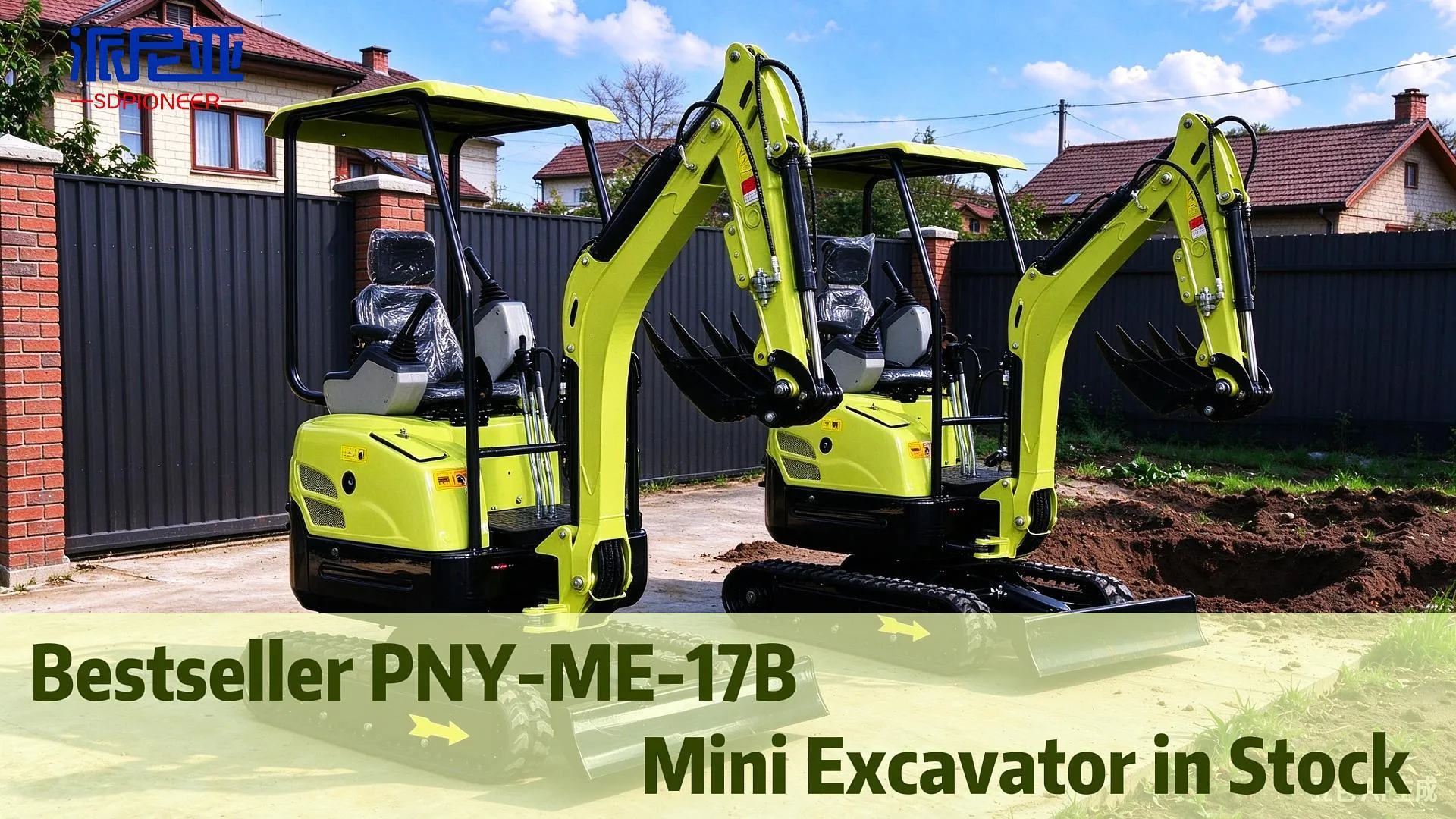
For buyers seeking genuine factory-direct reliability, partnering with established manufacturers is crucial. Take Shandong Hexin and its overseas trade arm, Shandong Pioneer, as a prime example. Established in 2004 in Jining and recently expanded to a larger facility in Tai’an in 2023, this group has spent two decades refining its manufacturing prowess. With a production area of 1,600 square meters, they specialize in over 300 types of key excavator components—including arms, booms, and buckets—and complete micro construction machinery assembly. Their commitment to quality has earned them the trust of Fortune Global 500 giants like Caterpillar, Komatsu, and XCMG, while exporting reliable equipment to markets across the US, Canada, Germany, and Australia. Choosing a supplier with such deep technical expertise and a global track record ensures that your used mini excavator for sale is backed by genuine engineering heritage and robust support networks.
Cost-Benefit Analysis: Used vs. New
Deciding between a new and a pre-owned machine depends on your project timeline and budget constraints. While new equipment offers the latest technology, the depreciation hit is immediate. A used unit allows you to bypass this initial value loss.
The following table illustrates the typical differences between acquiring a new versus a used mini excavator in the current market landscape:
| Feature | New Mini Excavator | Used Mini Excavator (Factory Direct) |
|---|---|---|
| Upfront Cost | High (Full MSRP) | Moderate (30-50% less than new) |
| Depreciation | Immediate 20% drop | Minimal; value stabilizes |
| Availability | Often 3-6 month lead time | Immediate delivery |
| Technology | Latest features and telematics | Proven, reliable legacy systems |
| Warranty | Full manufacturer warranty | Limited or optional extended plans |
For contractors with tight cash flow or short-term projects, the used mini excavator for sale option provides superior ROI. The ability to deploy capital elsewhere often outweighs the benefit of having the newest model year.
Essential Maintenance Checks for Pre-Owned Units
Maintenance history is the single most important factor when evaluating a used mini excavator for sale. A machine with documented care often outperforms a neglected newer model. Understanding what to look for separates savvy buyers from those who face unexpected repair bills.
Fluid analysis is a non-negotiable step in the due diligence process. Sampling hydraulic oil and engine coolant can reveal internal wear metals and contamination levels. This scientific approach provides a clear picture of the machine’s internal health without disassembly.
Inspecting the filter conditions also tells a story. Clean filters suggest regular servicing, while clogged or mismatched filters indicate neglect. Always request the full service logbook before finalizing any purchase agreement.
Step-by-Step Inspection Guide
To ensure you select a reliable machine, follow this structured inspection protocol. This process minimizes risk and highlights potential negotiation points regarding price or repairs.
- Step 1: Visual Exterior Walkaround: Look for uneven paint patterns suggesting repaints after damage. Check for rust in hard-to-reach areas like the underside of the counterweight.
- Step 2: Cold Start Test: Start the engine when it is completely cold. Observe smoke color; blue smoke indicates oil burning, while black smoke suggests fuel injection issues.
- Step 3: Hydraulic Cycle Test: Operate the boom, arm, and bucket through their full range repeatedly. Listen for whining pumps which indicate cavitation or wear.
- Step 4: Swing Function Check: Rotate the upper structure fully. It should stop smoothly without excessive drift. Drifting indicates worn swing motor seals or brake issues.
- Step 5: Undercarriage Measurement: Use a gauge to measure track shoe height and link pitch. Compare these measurements against the manufacturer’s wear limits.
Executing this checklist systematically ensures that the used mini excavator for sale meets your operational standards. Skipping steps can result in purchasing a machine that requires immediate major overhaul.
Common Applications for Compact Excavators
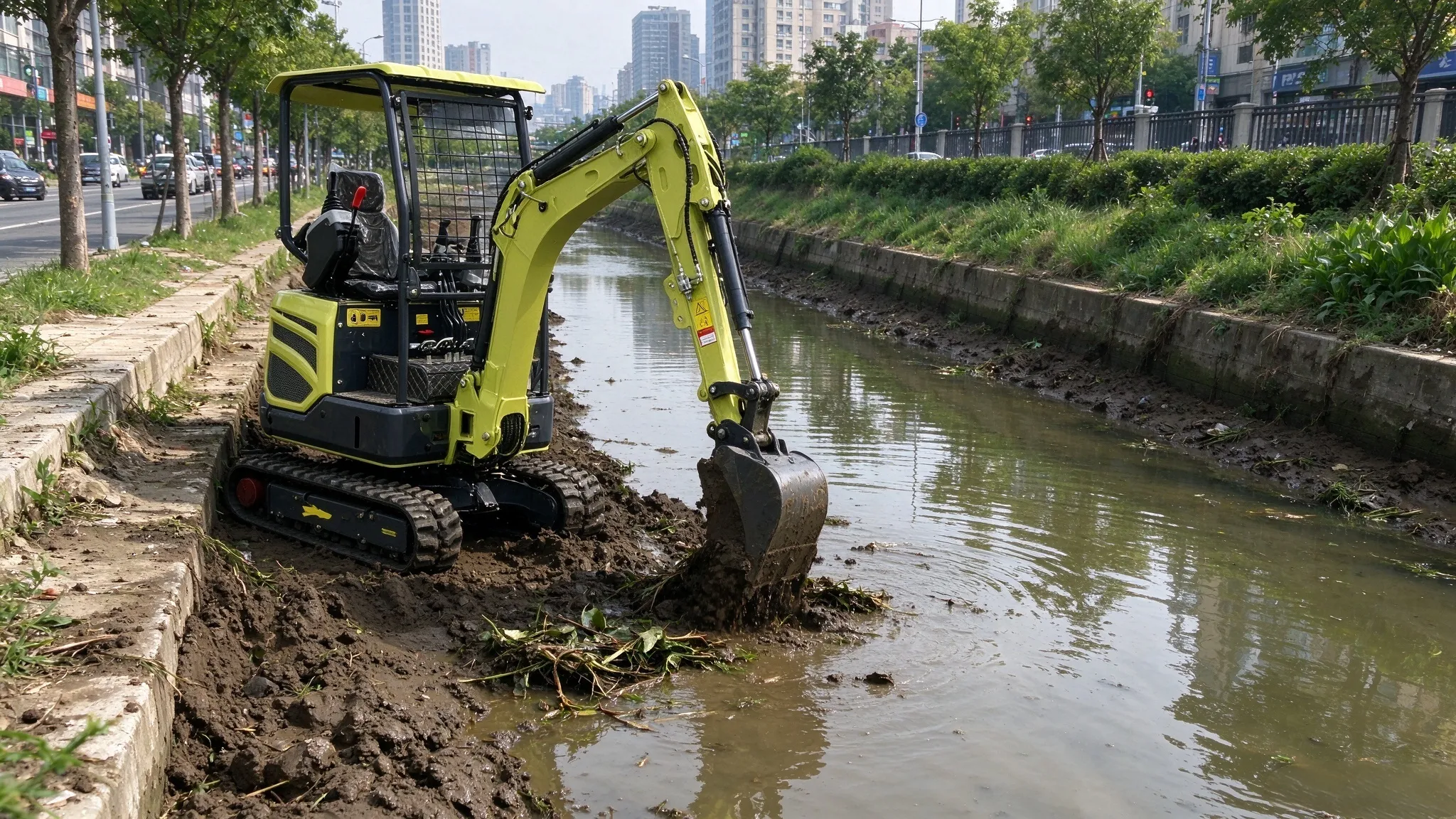
The versatility of mini excavators makes them indispensable across various industries. Their compact footprint allows access to confined spaces where larger machinery cannot operate. This capability drives the consistent demand for a used mini excavator for sale.
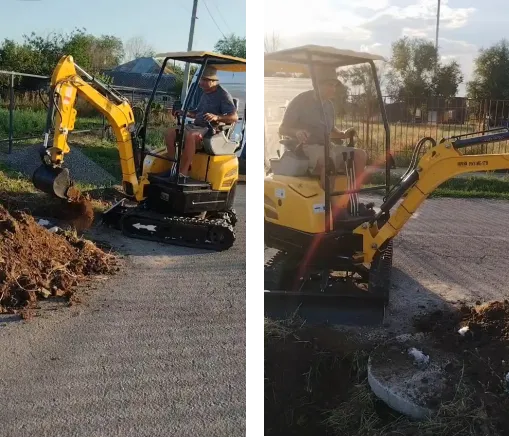
In residential construction, these machines are used for foundation digging, trenching for utilities, and landscaping. Their low ground pressure prevents damage to existing driveways and lawns, a crucial factor for suburban projects.
Municipalities also rely heavily on compact excavators for sidewalk repair, pipe maintenance, and park development. The ability to attach various tools transforms a single unit into a multi-purpose asset, maximizing utility for public works departments.
Matching Attachments to Job Requirements
The true power of a mini excavator lies in its attachment compatibility. When buying used, verify that the auxiliary hydraulic lines are functional and compatible with modern attachments. This expands the machine’s application scope significantly.
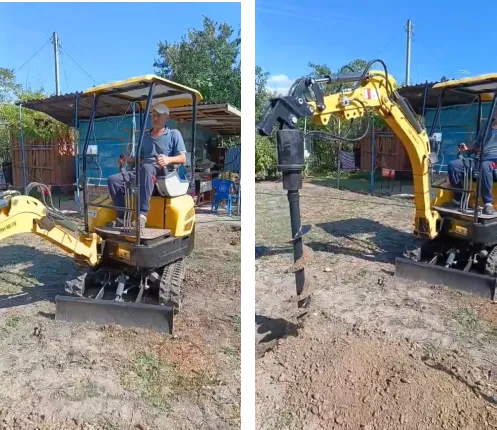
Popular attachments include hydraulic breakers for concrete demolition, augers for fence post installation, and tilting buckets for grading slopes. Some advanced models support thumb attachments, enabling precise material handling and grappling.
Ensuring the quick-coupler system works flawlessly is vital. A malfunctioning coupler changes attachments from a minutes-long task to a hours-long ordeal. Always test the coupling mechanism with multiple attachments during your inspection of a used mini excavator for sale.
Navigating Emission Standards and Regulations
Environmental regulations continue to tighten globally, impacting the legality and usability of older diesel engines. In 2026, many regions enforce strict Tier 4 Final or Stage V emission standards. However, exemptions often exist for older equipment used in specific contexts.
Before purchasing a used mini excavator for sale, verify the local regulations regarding engine tiers. Some urban zones restrict the operation of pre-Tier 4 machines. Ignoring these rules can lead to fines or the inability to work on certain government contracts.
Conversely, rural areas and private land projects often have fewer restrictions. For these applications, an older, robust engine might be more cost-effective and easier to maintain than a complex, emission-sensitive newer model. Understanding your specific operating zone is key to compliance.
Future-Proofing Your Investment
While emission laws are strict, the industry is adapting. Many owners retrofit older machines with diesel particulate filters (DPF) to meet temporary requirements. When evaluating a used unit, consider the feasibility and cost of such upgrades if necessary.
Additionally, the resale value of compliant machines tends to hold better over time. A used mini excavator for sale that already meets current standards will be easier to sell again in the future. This aspect contributes to the long-term financial wisdom of the purchase.
Consult with local regulatory bodies or industry associations to stay updated. Being proactive about compliance protects your business reputation and ensures uninterrupted project execution.
Risk Mitigation Strategies for Buyers
The used equipment market carries inherent risks, primarily related to undisclosed damage or fraudulent hour meter readings. Implementing risk mitigation strategies is essential for securing a sound investment. Trust but verify every claim made by the seller.
Third-party inspections are highly recommended. Hiring an independent mechanic to evaluate the used mini excavator for sale provides an unbiased assessment. The cost of this service is negligible compared to the potential expense of major repairs.
Verify the machine’s identification number (VIN) against theft databases. Stolen equipment can be seized by authorities, leaving the buyer with a total loss. Reputable factory-direct sources typically handle this verification internally, adding a layer of security.
Understanding Warranty and Support Options
Unlike new purchases, used machines often come with limited or no warranty. However, many factory-direct programs offer optional extended service contracts. These plans can cover major components like the engine and hydraulic pump for a defined period.
Evaluating the availability of spare parts is another critical step. Ensure that filters, seals, and wearable parts for the specific model are readily available in your region. Obsolete models may pose sourcing challenges that increase downtime.
A strong support network from the seller adds significant value. Choose a provider for your used mini excavator for sale that offers technical assistance and parts logistics. This support structure is vital for maintaining operational continuity.
Frequently Asked Questions (FAQ)
Buyers often have specific concerns regarding the purchase of pre-owned heavy equipment. Addressing these common questions helps clarify the decision-making process and builds confidence in selecting the right machine.
How many hours is too many for a used mini excavator?
There is no single cutoff number, as maintenance history matters more than total hours. Generally, units under 4,000 hours are considered low usage, while those between 4,000 and 8,000 hours are mid-life. Machines exceeding 10,000 hours can still be viable if they have undergone major component overhauls. Always correlate hours with the physical condition of the undercarriage and hydraulics.
Is it better to buy locally or import a used mini excavator?
Buying locally simplifies logistics, allows for physical inspection, and ensures easier access to support. Importing may offer lower sticker prices but introduces risks regarding shipping damage, customs duties, and lack of local parts compatibility. For most contractors, a locally sourced used mini excavator for sale offers a better balance of risk and reward.
Can I finance a used mini excavator?
Yes, many financial institutions and equipment dealers offer financing options for used machinery. Interest rates may be slightly higher than for new equipment, and loan terms might be shorter. Having a solid credit history and a down payment ready improves approval chances. Factory-direct sellers often have partnerships with lenders specializing in heavy equipment.
What is the average lifespan of a mini excavator?
With proper maintenance, a mini excavator can last between 10 to 15 years or approximately 10,000 to 12,000 operating hours. The lifespan depends heavily on the intensity of use and the quality of routine servicing. Regular fluid changes and timely replacement of wearable parts extend the machine’s productive life significantly.
Are electric mini excavators available in the used market?
Electric models are entering the used market but remain relatively rare compared to diesel units. As early adopters upgrade their fleets, more electric used mini excavator for sale listings are expected. These units are ideal for indoor work or noise-sensitive environments but require careful evaluation of battery health and charging infrastructure.
Final Verdict: Making the Smart Choice in 2026
Selecting the right equipment is a strategic business decision that impacts profitability and project success. The market for a used mini excavator for sale in 2026 offers exceptional opportunities for value-conscious buyers. By focusing on factory-direct sources, conducting rigorous inspections, and understanding regulatory requirements, you can secure a reliable machine.
The key takeaway is that condition and history outweigh age and brand hype. A well-maintained older unit often provides better returns than a neglected newer one. Prioritize transparency, verify all claims, and ensure the machine fits your specific operational needs.
Who is this for? This approach is ideal for small to medium contracting firms, landscaping businesses, municipal crews, and rental companies looking to expand their fleet cost-effectively. If you are ready to enhance your capabilities without breaking the bank, start by compiling a list of your specific job requirements.
Take the next step by defining your budget and required attachments. Then, seek out reputable factory-direct listings that offer verified inspection reports. With the right due diligence, your next used mini excavator for sale will be a cornerstone of your operational success for years to come.

Please leave us a message


