- Chinese
- French
- German
- Portuguese
- Spanish
- Russian
- Japanese
- Korean
- Arabic
- Irish
- Greek
- Turkish
- Italian
- Danish
- Romanian
- Indonesian
- Czech
- Afrikaans
- Swedish
- Polish
- Basque
- Catalan
- Esperanto
- Hindi
- Lao
- Albanian
- Amharic
- Armenian
- Azerbaijani
- Belarusian
- Bengali
- Bosnian
- Bulgarian
- Cebuano
- Chichewa
- Corsican
- Croatian
- Dutch
- Estonian
- Filipino
- Finnish
- Frisian
- Galician
- Georgian
- Gujarati
- Haitian
- Hausa
- Hawaiian
- Hebrew
- Hmong
- Hungarian
- Icelandic
- Igbo
- Javanese
- Kannada
- Kazakh
- Khmer
- Kurdish
- Kyrgyz
- Latin
- Latvian
- Lithuanian
- Luxembou..
- Macedonian
- Malagasy
- Malay
- Malayalam
- Maltese
- Maori
- Marathi
- Mongolian
- Burmese
- Nepali
- Norwegian
- Pashto
- Persian
- Punjabi
- Serbian
- Sesotho
- Sinhala
- Slovak
- Slovenian
- Somali
- Samoan
- Scots Gaelic
- Shona
- Sindhi
- Sundanese
- Swahili
- Tajik
- Tamil
- Telugu
- Thai
- Ukrainian
- Urdu
- Uzbek
- Vietnamese
- Welsh
- Xhosa
- Yiddish
- Yoruba
- Zulu
- Kinyarwanda
- Tatar
- Oriya
- Turkmen
- Uyghur


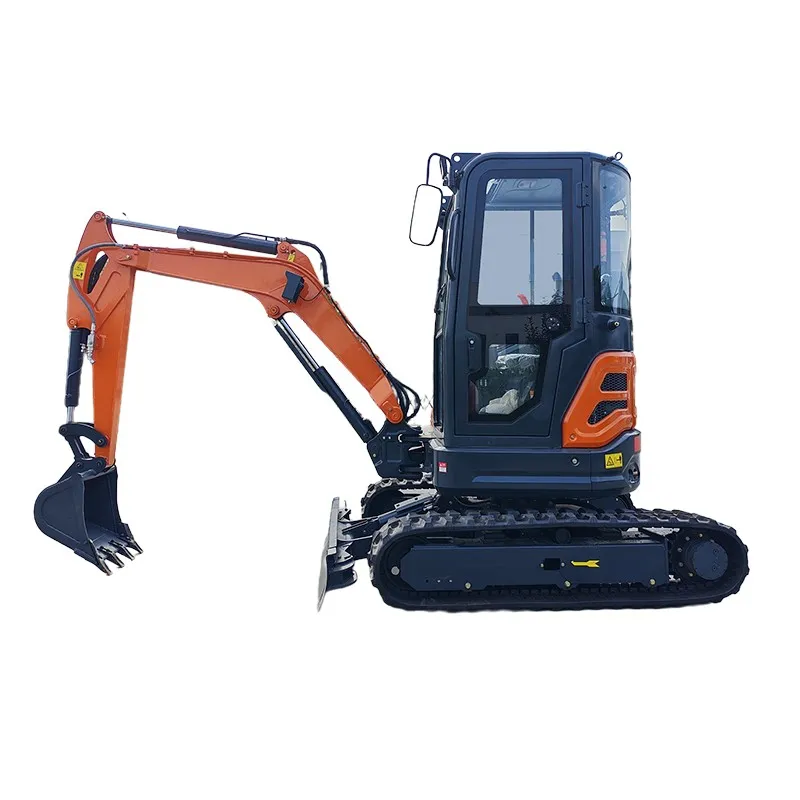
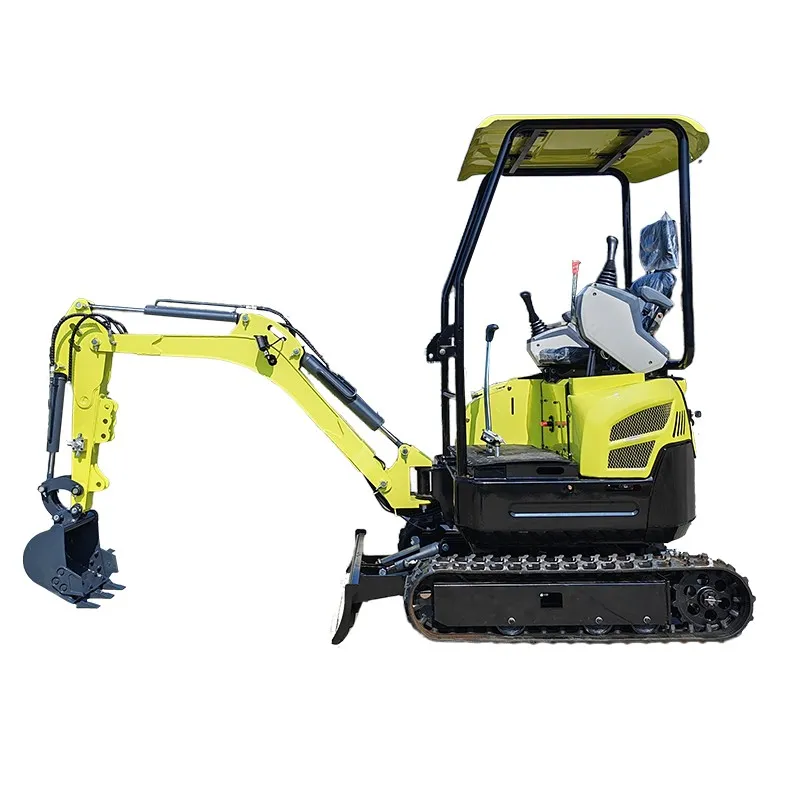
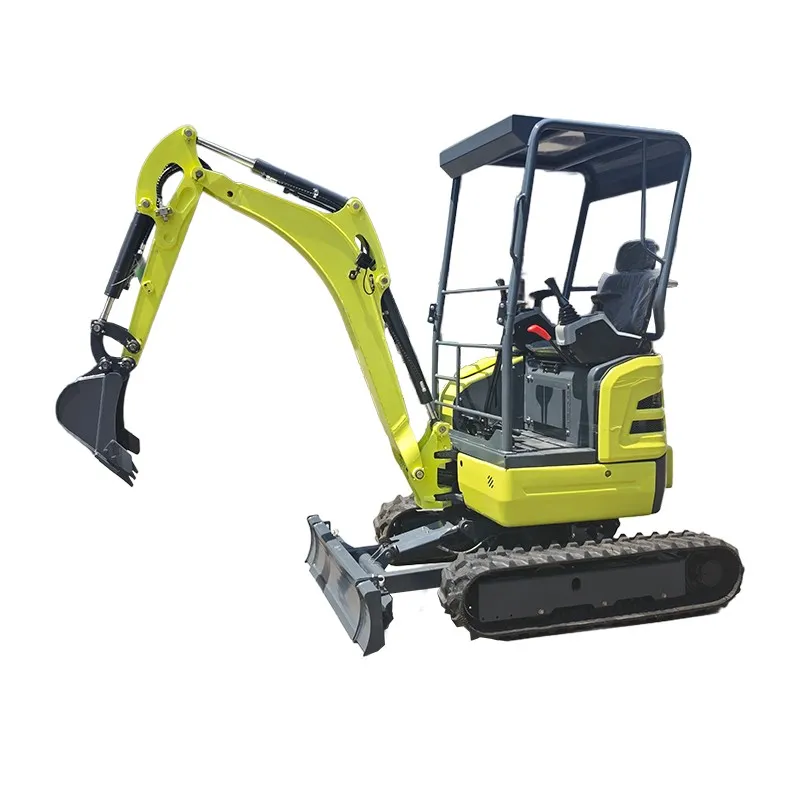
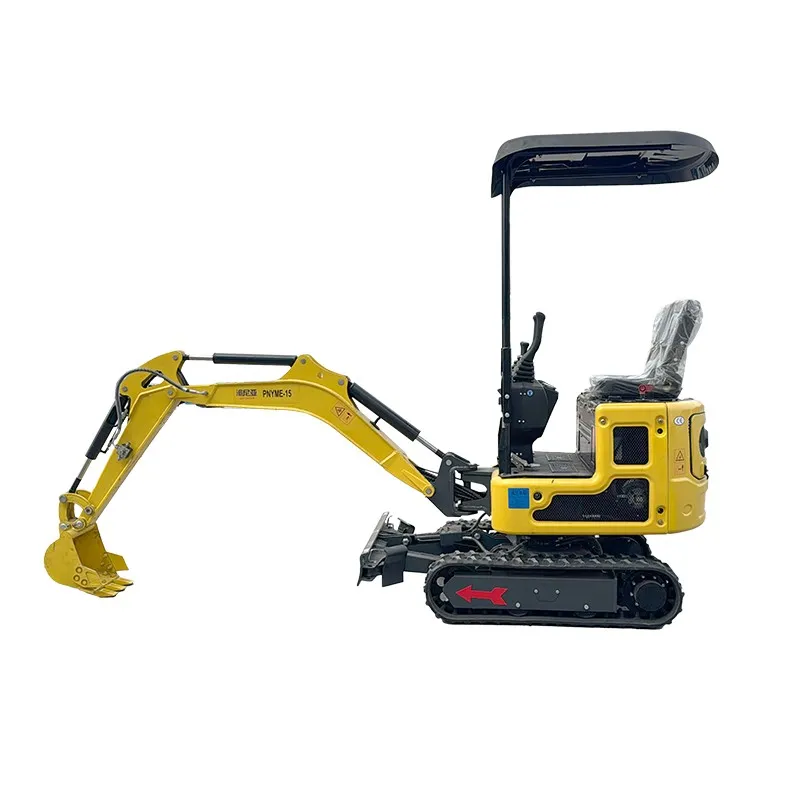
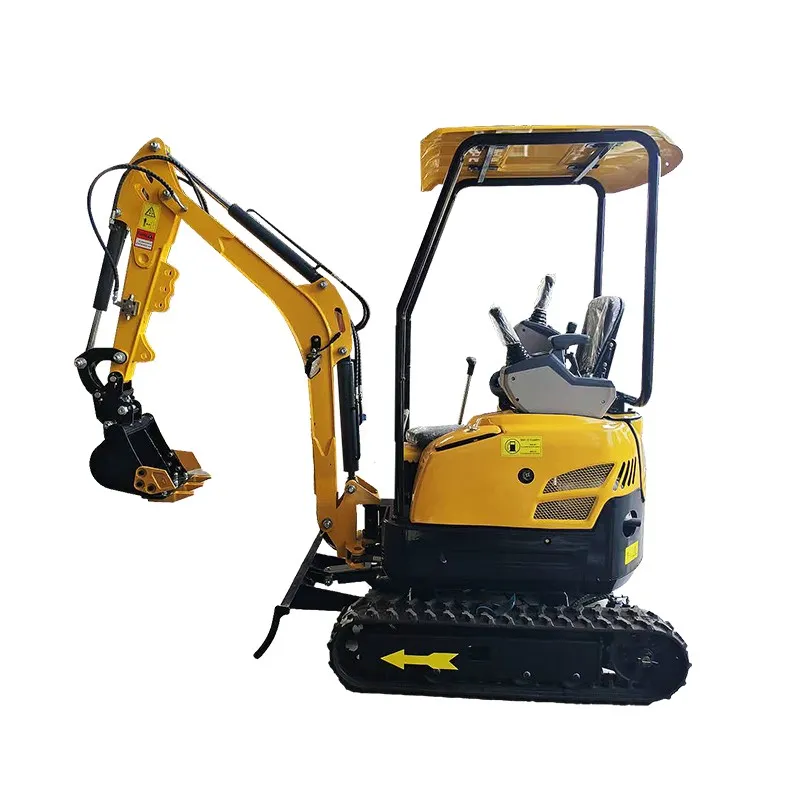
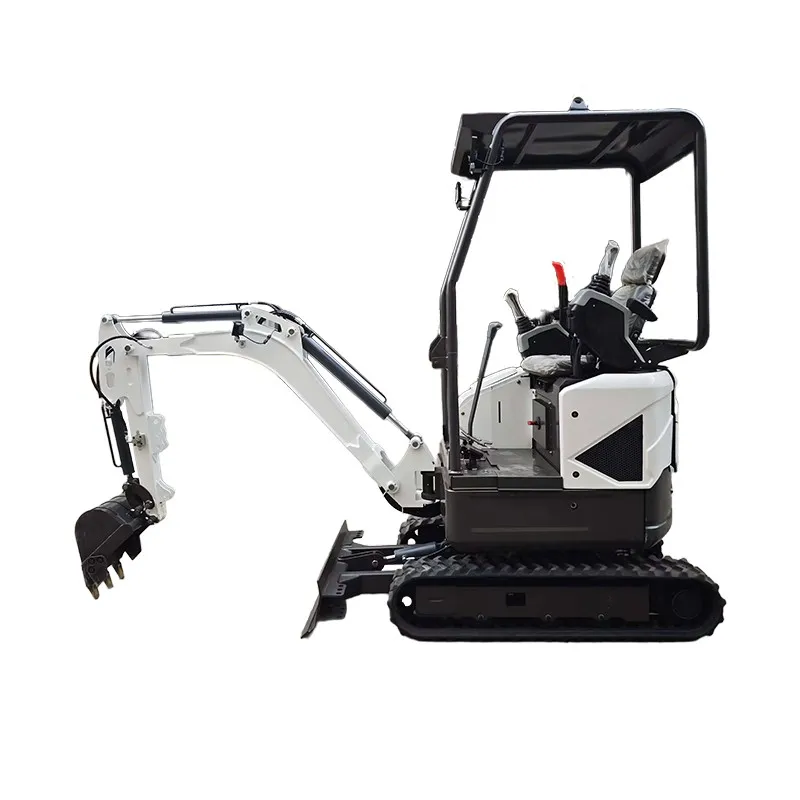
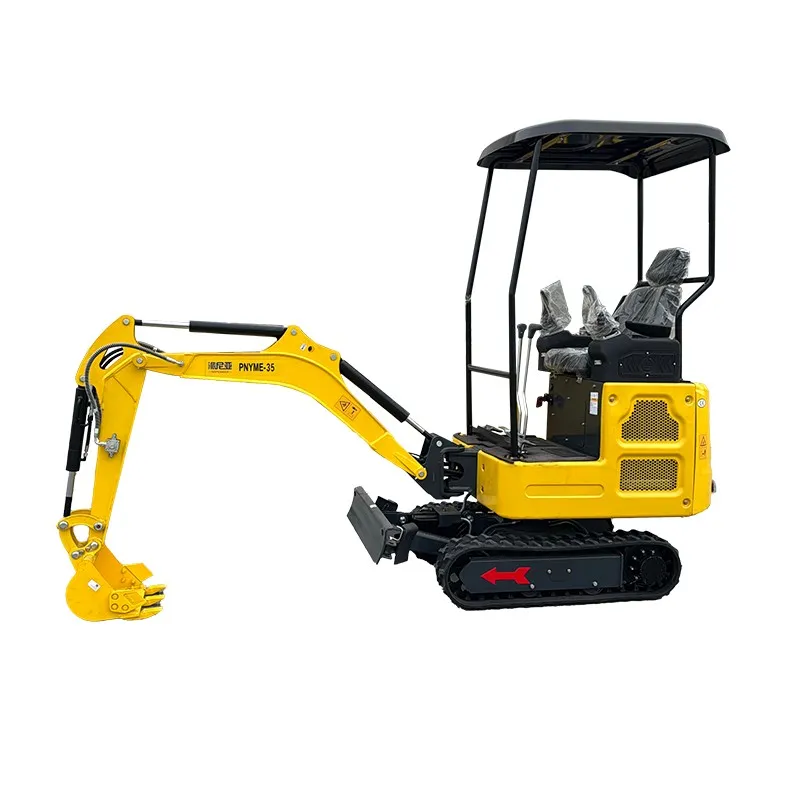
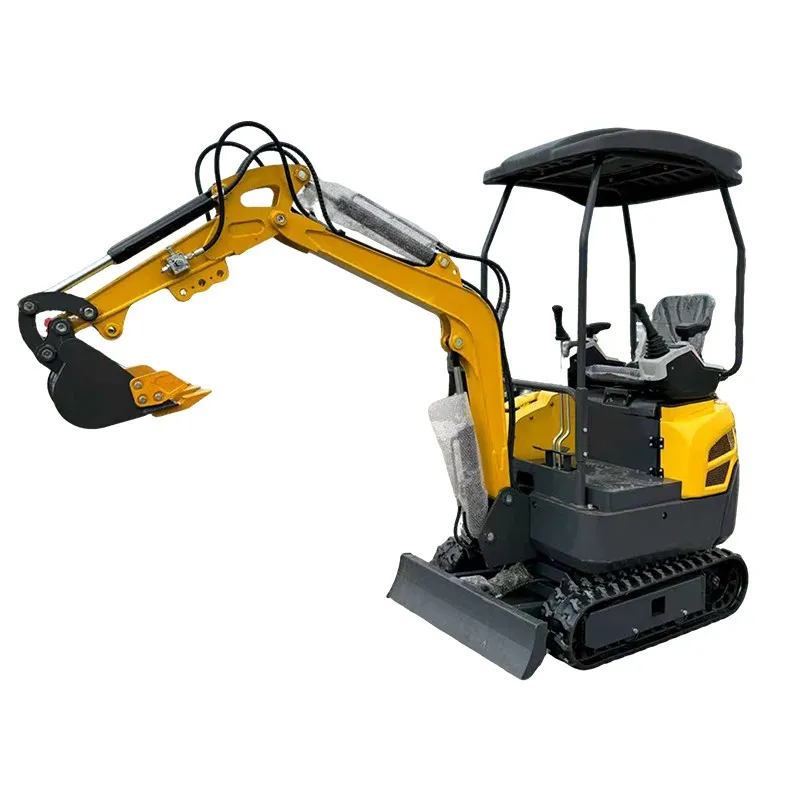
Low-Emission Mini Excavator
When you hear 'low-emission mini excavator,' the first thought might be just another compliance box to tick. But from the trenches, it's a real shift in how we work in tight, sensitive, or regulated spaces. The industry chatter often misses the point—it's not just about the engine sticker; it's about the total package, from fuel burn to site access and operator buy-in. Let me walk you through what that actually looks like on the ground.
The Engine Core: It's Not Just About Tier 4 Final
Sure, everyone talks about meeting emission standards like EU Stage V or China's equivalent. The low-emission mini excavator models hitting the market now almost universally pack advanced diesel engines with DOC/DPF systems. But here's the practical bit nobody tells you upfront: that aftertreatment system needs space and care. On a 1.8-ton machine, engineers are squeezing it in, which sometimes means compromising on something else—like easy access to the hydraulic pump or a slightly raised engine cover. I've seen designs where a simple filter check becomes a 30-minute chore. That's a real-world trade-off.
Then there's the alternative power debate. Electric mini excavators are the loudest headline, promising zero tailpipe emissions. We tested a few. The silence is fantastic for indoor demolition, but the runtime anxiety is real. On an 8-hour shift with constant use, you're either swapping batteries mid-day or planning your work around a charging schedule. For a contractor, that's a logistical puzzle, not just an environmental choice. The true low-emission solution here might be a hybrid approach, but the cost hasn't come down to earth yet for most fleets.
This is where the manufacturer's experience matters. A company that's been in the game long enough understands these balances. I recall looking at the specs from Shandong Pioneer Engineering Machinery. They've been at this since 2004, and you can see that evolution in their newer models. It's not about slapping a compliant engine into an old chassis. Their relocation and expansion to a new facility in Tai'an in 2023 likely ties into refining this integration—more production space often means better R&D for packaging these complex systems efficiently. You can check their approach on their website, https://www.sdpioneer.com. The proof is in whether the machine works smoothly day in, day out.
The Hydraulic Handshake: Where Efficiency is Really Won or Lost
This is the part that separates the good from the greenwashed. A low-emission mini excavator can have the cleanest-burning engine, but if its hydraulic system is wasteful, you're just moving the pollution upstream to the power plant or burning more diesel to compensate. Load-sensing hydraulics are now table stakes. The real magic is in the fine-tuning—how quickly the system responds to a gentle joystick movement for precise grading versus a full-force demand for digging hard clay.
I remember a job in a historic district where we were digging footings right next to a protected structure. Vibration and fumes were huge concerns. We used a machine that boasted low emissions, but its hydraulic system was jerky. The operator had to fight it for precision, which led to more revving and, ironically, more fuel consumption and particulate output. The emission certificate was pristine, but the actual job site wasn't. That was a failure of the total system design.
Manufacturers who export to strict markets like Germany or Australia get this feedback loop. They have to. Shandong Pioneer Engineering Machinery Co., Ltd, mentioning exports to those countries, tells me their engineering is likely stress-tested against high customer expectations. A machine that works in a German urban redevelopment project has to be genuinely efficient and clean, not just on paper. Their two-decade development, as noted in their company intro, suggests they've iterated based on real-world use, not just lab tests.
The Operator's Cage: Human Factors and Real-World Duty Cycles
You can design the perfect machine, but if the operator hates it, they'll find a way to make it inefficient. The cab environment in a mini excavator is crucial. Low emission isn't just an external goal; operators are breathing that air too, especially in enclosed or semi-enclosed sites. Better sealing and pressurization of the cab, using filters that actually work, is a silent health benefit that doesn't get enough credit.
Then there's the interface. Newer machines have eco-modes and power modes. The trick is making the eco-mode actually usable. On some early models I operated, engaging eco-mode felt like putting the machine to sleep—it was sluggish, unresponsive. Operators would immediately switch it off. The successful ones provide a torque curve that's still punchy enough for most tasks but clearly saves fuel. It requires educating operators, showing them the fuel savings data, to get buy-in. It's a change management process on a micro-scale.
This human element is where long-term manufacturers build trust. When a company like Shandong Pioneer states it has won the trust of customers worldwide, it implies a focus on these usability aspects. A machine that's exported globally has to cater to different operator habits and expectations, forcing a more refined, user-centric design. That directly supports the effective operation of low-emission technology.
Site Specifics: Where the Rubber Meets the (Restricted) Road
The theoretical benefits of a low-emission mini excavator crystallize—or evaporate—based on the site. We used one for a utility upgrade inside an active hospital complex. The mandate was strict: minimal noise, absolutely no visible smoke or strong exhaust smell. A standard machine would have been shut down in an hour. The low-emission model, with its DPF and tuned engine, passed the test. But we discovered a new problem: the exhaust outlet direction. On that particular model, it blew warm air directly onto a nearby temporary fence, which became a concern for the safety officer. A small detail, but it required repositioning the entire machine setup.
Another scenario is working in a warehouse or greenhouse. Electric models shine here, but you need accessible three-phase power or a hefty generator, which somewhat defeats the purpose. For a company supplying machines to diverse regions, from the US to Canada, versatility is key. The product range needs to include both advanced diesel and electric options to match the site reality. The company profile of Shandong Pioneer, with its dual manufacturing and overseas trade arms, suggests a structure built to handle this very diversity, developing and supplying the right tool for the job.
These site-specific challenges are the ultimate test. They reveal if the low-emission features are robust or just cosmetic. It's about the entire machine's adaptability, not just its emissions rating.
The Cost Equation: Total Ownership, Not Just Sticker Price
Let's be blunt: a true low-emission mini excavator costs more upfront. The advanced engine, the aftertreatment, the more sophisticated hydraulics—it all adds up. The classic contractor's question is: what's my payback period? This is where you move beyond marketing and into hard numbers. Fuel savings are the obvious one. On a machine running 1,500 hours a year, a 15-20% fuel reduction is significant. But it's not guaranteed; it depends on the duty cycle and operator.
Less talked about is the maintenance cost of the emission system. DPFs need regeneration and eventual cleaning or replacement. If the machine isn't run at high enough temperatures regularly (think light-duty, stop-start urban work), you get forced regenerations that burn extra fuel or, worse, clogging. I've seen projects where the maintenance plan for the DPF wasn't factored in, leading to unexpected downtime and cost. A reliable supplier should provide clear guidance on this.
Finally, there's the residual value. In markets with tightening regulations, a non-compliant machine will be harder to sell or rent in a few years. Investing in a compliant machine from a known exporter like Shandong Pioneer Engineering Machinery can be a hedge against future obsolescence. Their 20-year history and global footprint hint at a network that can support the machine throughout its lifecycle, protecting that investment. It turns the low-emission feature from a cost center into a value preservation tool.
So, where does that leave us? The low-emission mini excavator is maturing from a niche product into a mainstream necessity. Its success hinges on a holistic design that balances engine tech, hydraulic efficiency, and human factors. It's not a magic bullet, but a smarter tool for a market that increasingly values cleaner, more sustainable operation without sacrificing productivity. The companies that will lead are those, like the established players with global reach, that treat it as an integrated engineering challenge, not just a regulatory checkbox. The real work—and the real benefits—are found in the details of every dig, every shift, on every type of site.
Related Products
Related Products