



- Chinese
- French
- German
- Portuguese
- Spanish
- Russian
- Japanese
- Korean
- Arabic
- Irish
- Greek
- Turkish
- Italian
- Danish
- Romanian
- Indonesian
- Czech
- Afrikaans
- Swedish
- Polish
- Basque
- Catalan
- Esperanto
- Hindi
- Lao
- Albanian
- Amharic
- Armenian
- Azerbaijani
- Belarusian
- Bengali
- Bosnian
- Bulgarian
- Cebuano
- Chichewa
- Corsican
- Croatian
- Dutch
- Estonian
- Filipino
- Finnish
- Frisian
- Galician
- Georgian
- Gujarati
- Haitian
- Hausa
- Hawaiian
- Hebrew
- Hmong
- Hungarian
- Icelandic
- Igbo
- Javanese
- Kannada
- Kazakh
- Khmer
- Kurdish
- Kyrgyz
- Latin
- Latvian
- Lithuanian
- Luxembou..
- Macedonian
- Malagasy
- Malay
- Malayalam
- Maltese
- Maori
- Marathi
- Mongolian
- Burmese
- Nepali
- Norwegian
- Pashto
- Persian
- Punjabi
- Serbian
- Sesotho
- Sinhala
- Slovak
- Slovenian
- Somali
- Samoan
- Scots Gaelic
- Shona
- Sindhi
- Sundanese
- Swahili
- Tajik
- Tamil
- Telugu
- Thai
- Ukrainian
- Urdu
- Uzbek
- Vietnamese
- Welsh
- Xhosa
- Yiddish
- Yoruba
- Zulu
- Kinyarwanda
- Tatar
- Oriya
- Turkmen
- Uyghur


Bobcat Mini Excavator for Sale: Top Factory Prices 2026
2026-07-09
- What Defines the Value of a Bobcat Mini Excavator for Sale in 2026?
- Core Specifications and Performance Metrics
- Comparative Analysis: Model Series and Configurations
- Strategic Advantages of Factory Direct Purchasing
- Essential Attachments for Maximum Versatility
- Operational Best Practices and Safety Protocols
- Financial Considerations and Total Cost of Ownership
- Frequently Asked Questions (FAQ)
- Conclusion: Making the Right Investment Decision
Looking for a bobcat mini excavator for sale at top factory prices in 2026? This guide delivers direct insights into current market offerings, key specifications, and strategic purchasing advice. We analyze the latest models to help contractors and business owners secure reliable compact excavation equipment without inflated dealer markups. Discover how to identify genuine value, understand total cost of ownership, and select the perfect machine for your specific job site requirements today.
What Defines the Value of a Bobcat Mini Excavator for Sale in 2026?
The construction landscape in 2026 demands efficiency, versatility, and reliability. When searching for a bobcat mini excavator for sale, buyers are no longer just looking for horsepower; they seek integrated solutions that reduce downtime and maximize productivity. The value proposition of these machines has evolved beyond simple digging capabilities.
Modern compact excavators from this brand are engineered with advanced hydraulic systems that provide precise control. This precision is critical for urban renovation projects where space is limited and margin for error is non-existent. The industry consensus indicates that fuel efficiency and ease of maintenance are now primary decision-making factors.
Factory-direct pricing models have disrupted traditional dealership structures. By bypassing intermediate layers, buyers can access top factory prices that were previously unavailable to small and medium-sized enterprises. A prime example of this manufacturing evolution is found in Shandong, China, where established producers like Shandong Hexin (manufacturing) and its overseas trade arm, Shandong Pioneer, have redefined supply chain efficiency. Established in 2004 and recently expanded to a larger facility in Tai’an City in 2023, these entities leverage two decades of expertise to export directly to markets including the United States, Canada, Germany, and Australia. Their ability to supply major global players such as Caterpillar, Komatsu, and XCMG demonstrates a level of quality assurance that allows end-users to bypass traditional markups while securing equipment built to international standards.
This shift allows for better capital allocation, enabling businesses to invest in attachments or additional fleet units. The durability of the undercarriage and the robustness of the boom structure remain central to the brand’s reputation. In 2026, enhanced steel alloys and improved sealing technologies have extended the operational life of these machines. This longevity directly impacts the residual value, making them a sound financial asset rather than just an expense.
Key Market Trends Influencing Pricing and Availability
The global supply chain has stabilized, leading to more consistent inventory levels for popular models. However, demand for specific configurations, such as zero-tail-swing units, remains high. This dynamic influences the availability of immediate stock versus made-to-order units.
Regulatory changes regarding emissions have also shaped the 2026 lineup. While diesel engines remain dominant for heavy-duty applications, the integration of Tier 4 Final and Stage V compliant engines is standard. These engines offer cleaner operation without sacrificing power output, aligning with stricter environmental regulations in urban zones.
Technology integration is another defining trend. Telematics systems are now commonplace, allowing owners to monitor location, fuel consumption, and maintenance needs remotely. This data-driven approach enhances fleet management and reduces unexpected breakdowns, adding significant intangible value to the purchase.
- Supply Chain Stability: Improved logistics ensure faster delivery times for standard models.
- Emission Compliance: All new units meet the latest global environmental standards.
- Tech Integration: Built-in telematics provide real-time operational data.
- Pricing Transparency: Factory-direct channels offer clearer cost structures.
Core Specifications and Performance Metrics
Understanding the technical specifications is vital when evaluating a bobcat mini excavator for sale. The performance metrics determine whether a machine can handle the specific tasks required on your job site. Key areas of focus include operating weight, digging depth, and lift capacity.
The hydraulic flow rate is often overlooked but is crucial for attachment compatibility. High-flow options enable the use of powerful breakers, augers, and rotary grapples. Without adequate flow, even the most expensive attachment will underperform, limiting the machine’s versatility.
Cab comfort and operator ergonomics play a significant role in productivity. A comfortable operator works more efficiently and makes fewer mistakes. Modern designs feature adjustable seats, intuitive joystick controls, and enhanced visibility, reducing fatigue during long shifts.
Engine power must be balanced with hydraulic efficiency. An oversized engine wastes fuel, while an undersized one struggles under load. The engineering behind these machines ensures an optimal balance, providing enough torque for tough digging conditions while maintaining fuel economy.
Digging Depth and Reach Capabilities
The maximum digging depth determines the types of foundation work the machine can perform. For residential plumbing or electrical trenching, a depth of 10 to 12 feet is often sufficient. However, larger infrastructure projects may require units capable of reaching 15 feet or more.
Reach at ground level is equally important for loading trucks or placing materials over barriers. The geometry of the boom and arm affects this reach. Models with extended arms offer greater horizontal reach but may sacrifice some lifting capacity at full extension.
Zero-tail-swing (ZTS) models are particularly valuable in confined spaces. These machines allow the upper structure to rotate within the width of the tracks, preventing damage to surrounding structures. This feature is essential for working alongside buildings, fences, or traffic.
- Standard Arm: Offers balanced lift and reach for general purpose work.
- Long Arm: Extends digging depth and horizontal reach for specialized tasks.
- ZTS Design: Enables safe operation in tight urban environments.
- Lift Capacity: Varies by radius; always consult the load chart before lifting.
Comparative Analysis: Model Series and Configurations
Selecting the right model involves comparing different series within the brand. Each series targets specific applications, ranging from light landscaping to heavy utility work. Understanding these distinctions helps buyers avoid overpaying for unnecessary features or under-equipping for their needs.
The entry-level series typically offers lower operating weights and simpler hydraulic systems. These are ideal for homeowners, small landscapers, or rental fleets focused on light-duty tasks. They are cost-effective and easy to transport on smaller trailers.
Mid-range models provide a balance of power and agility. They often feature more sophisticated hydraulics with auxiliary circuits for multiple attachments. This versatility makes them the preferred choice for general contractors who handle diverse projects daily.
Heavy-duty series units are built for continuous operation in demanding conditions. They feature reinforced structures, larger cooling systems, and high-capacity hydraulics. While the initial investment is higher, the return on investment through increased uptime and capability justifies the cost for large-scale operations.
| Feature | Entry-Level Series | Mid-Range Series | Heavy-Duty Series |
|---|---|---|---|
| Operating Weight | 1 – 2 Tons | 3 – 5 Tons | 6 – 9 Tons |
| Hydraulic Flow | Standard | High Flow Option | Dual High Flow |
| Cab Type | Open ROPS | Enclosed with Heat/AC | Premium Enclosed |
| Primary Use Case | Landscaping | Utility Work | Infrastructure |
| Price Tier | Economy | Moderate | Premium |
Engine Options and Fuel Efficiency
Engine selection impacts both performance and operating costs. Most modern units utilize compact diesel engines known for their torque characteristics. These engines are designed to run efficiently at varying loads, which is typical in excavation work.
Fuel consumption varies based on workload and operator technique. However, newer engine technologies incorporate auto-idle systems that reduce RPM when the hydraulics are not engaged. This feature can significantly reduce fuel usage over the course of a year.
Maintenance intervals for these engines have been extended in recent years. Longer service intervals mean less downtime and lower labor costs. Accessible filter locations and drain points further simplify routine maintenance, encouraging operators to stay on schedule.
Noise levels are also a consideration, especially for work in residential areas. Engine enclosures and muffler designs have improved to minimize noise pollution, helping contractors comply with local noise ordinances and maintain good community relations.
Strategic Advantages of Factory Direct Purchasing
Purchasing a bobcat mini excavator for sale directly from the factory or authorized direct channels offers distinct advantages over traditional dealerships. The most obvious benefit is price. Eliminating middlemen reduces the final cost, often resulting in savings of thousands of dollars.
Customization is another significant advantage. Factory orders allow buyers to specify exact configurations, including track type, cab options, and hydraulic setups. This ensures the machine arrives ready to work without needing costly aftermarket modifications. Manufacturers with deep component expertise, such as those producing over 300 types of critical parts like booms, arms, and buckets, can tailor these specifications with precision. This level of customization ensures that every unit, whether destined for a Fortune 500 client or a local contractor, meets exact operational demands.
Warranty support is often more straightforward when dealing directly with the source. There is less ambiguity regarding coverage, and claims processing can be faster. Direct relationships also facilitate better communication regarding technical updates or recall notices.
Inventory transparency is improved in direct models. Buyers can see exactly what is in production and estimate delivery times accurately. This predictability aids in project planning and resource allocation, reducing the risk of project delays due to equipment unavailability.
Navigating Warranty and After-Sales Support
A comprehensive warranty is essential for protecting your investment. Standard warranties typically cover major components like the engine, pump, and swing motor for a specific period or hour count. Understanding the terms and conditions is crucial before signing any agreement.
Parts availability is a critical component of after-sales support. Even the most reliable machines require maintenance. Ensuring that spare parts are readily accessible minimizes downtime. Factories with robust distribution networks can ship parts quickly to various regions.
Technical support teams provide invaluable assistance during complex repairs or troubleshooting. Access to certified technicians who know the machine inside out ensures that issues are resolved correctly the first time. This expertise prevents minor problems from escalating into major failures.
Training programs offered by the manufacturer can enhance operator skills and safety awareness. Proper training leads to more efficient machine operation and reduced wear and tear. Many factories include basic operator training as part of the purchase package.
- Extended Coverage: Options to extend warranty beyond the standard term.
- Parts Guarantee: Assurance of part availability for a defined number of years.
- Remote Diagnostics: Support teams can analyze data remotely to identify issues.
- Operator Training: Included sessions to maximize machine potential.
Essential Attachments for Maximum Versatility
The true power of a mini excavator lies in its ability to accept various attachments. When looking for a bobcat mini excavator for sale, considering the available attachment ecosystem is as important as the base machine. The right attachments transform a single-purpose digger into a multi-tool powerhouse.
Hydraulic breakers are perhaps the most common attachment. They are essential for breaking concrete, asphalt, and rock. Matching the breaker size to the machine’s weight and hydraulic flow is critical to prevent damage to the excavator’s structure.
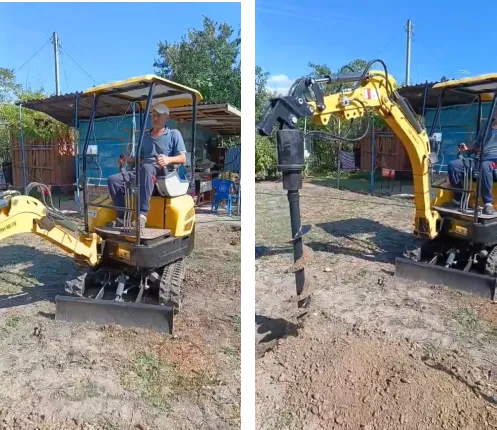
Augers are indispensable for fencing, planting, and foundation drilling. They come in various diameters and lengths. A high-flow hydraulic circuit is often required for larger augers to maintain rotation speed under load.
Grapples and thumb attachments enhance material handling capabilities. They allow the operator to pick up logs, rocks, and debris with precision. This functionality is particularly useful in cleanup operations and landscaping projects where sorting materials is necessary.
Matching Attachments to Hydraulic Capabilities
Not all machines are equipped to run all attachments. The hydraulic system must provide sufficient pressure and flow. Using an attachment that exceeds the machine’s capabilities can lead to poor performance and potential system failure.
Quick couplers are a vital accessory that facilitates rapid attachment changes. Mechanical couplers require manual intervention, while hydraulic quick couplers allow the operator to switch tools from the cab in seconds. This efficiency boosts productivity on jobs requiring multiple tasks.
Tilt rotators represent the pinnacle of attachment versatility. They allow the tool to tilt and rotate independently of the boom and arm movements. While expensive, they can replace multiple dedicated machines and significantly reduce cycle times on complex tasks.
Maintaining attachment hygiene is crucial. Regular greasing and inspection of pins and bushings prevent premature wear. Keeping hydraulic hoses in good condition prevents leaks and ensures consistent power delivery to the attachment.
- Breakers: Ideal for demolition and hard surface removal.
- Augers: Perfect for drilling holes for posts and foundations.
- Grapples: Excellent for sorting and moving irregular materials.
- Quick Couplers: Essential for minimizing changeover time.
Operational Best Practices and Safety Protocols
Owning a mini excavator comes with the responsibility of safe operation. Adhering to best practices ensures the longevity of the machine and the safety of the workforce. Regardless of the operator’s experience level, regular reinforcement of safety protocols is necessary.
Pre-operation inspections are the first line of defense against accidents. Checking fluid levels, track tension, and hydraulic hoses before starting the engine can identify potential issues early. Ignoring these checks can lead to catastrophic failures during operation.
Understanding the stability triangle is fundamental for safe digging. Operators must know the limits of the machine’s stability to prevent tipping. Working on slopes requires extra caution and proper positioning of the tracks to maintain balance.
Communication on the job site is vital. Hand signals or radio communication should be established between the operator and ground personnel. Blind spots exist in every machine, and clear communication prevents accidents involving workers near the swing radius.
Maintenance Schedules for Longevity
Adhering to a strict maintenance schedule is the most effective way to protect your investment. Daily tasks include cleaning the machine, checking for leaks, and lubricating pivot points. These simple actions prevent dirt accumulation and corrosion.
Weekly and monthly inspections should focus on more detailed checks. Inspecting the undercarriage for wear, testing safety devices, and changing filters according to the manufacturer’s guidelines are essential. Documenting these activities creates a maintenance history that adds value to the machine.
Fluid analysis can predict internal engine or hydraulic issues before they become visible. Regular sampling of oil and coolant provides insights into the health of internal components. This proactive approach allows for planned repairs rather than emergency shutdowns.
Storage conditions also affect machine life. Storing the excavator in a dry, covered area protects it from the elements. If outdoor storage is unavoidable, using covers for the cab and sensitive components can mitigate weather-related damage.
- Daily Checks: Fluids, leaks, and visual inspection of tracks.
- Lubrication: Grease all fittings at the start of every shift.
- Filter Replacement: Follow hour-meter recommendations strictly.
- Undercarriage Care: Clean debris regularly to prevent track damage.
Financial Considerations and Total Cost of Ownership
The purchase price is only one component of the total cost of ownership (TCO). When evaluating a bobcat mini excavator for sale, buyers must consider fuel consumption, maintenance costs, insurance, and residual value. A cheaper upfront price may result in higher long-term costs.
Fuel efficiency varies between models and operating styles. Machines with eco-modes or auto-idle features can save significant amounts on diesel over thousands of operating hours. Calculating estimated annual fuel costs helps in budgeting accurately.
Maintenance costs are influenced by the accessibility of service points and the cost of genuine parts. Machines designed with serviceability in mind reduce labor hours required for routine tasks. Using non-genuine parts might save money initially but can void warranties and cause premature failures.
Residual value is a critical factor for businesses that plan to upgrade their fleet periodically. Brands with strong reputations for durability tend to hold their value better in the used market. This equity can be leveraged for trade-ins or direct sales later.
Financing Options and Investment Strategies
Various financing options are available to suit different cash flow situations. Leasing offers flexibility and potential tax benefits, while buying builds equity. Understanding the implications of each option is essential for making a sound financial decision.
Insurance costs depend on the machine’s value, usage type, and location. Comprehensive coverage protects against theft, damage, and liability. Shopping around for insurance quotes specific to construction equipment can yield competitive rates.
Tax incentives such as Section 179 deductions in the US allow businesses to deduct the full purchase price of qualifying equipment in the year it is placed in service. Consulting with a tax professional can reveal significant savings opportunities.
ROI calculations should factor in the increased revenue generated by owning the equipment versus renting. Ownership eliminates rental rate fluctuations and ensures equipment availability, which can be the difference between winning and losing a contract.
- Leasing: Lower monthly payments and easier upgrades.
- Buying: Builds asset equity and offers long-term savings.
- Tax Deductions: Potential for immediate write-offs of capital expenses.
- Resale Value: Strong brands retain higher percentages of original cost.
Frequently Asked Questions (FAQ)
What is the average lifespan of a bobcat mini excavator?
With proper maintenance and operation, these machines can last between 10,000 to 15,000 operating hours. Some well-maintained units exceed this range, continuing to serve in lighter duty roles. The actual lifespan depends heavily on the severity of the application and adherence to service schedules.
Can I operate a mini excavator without prior experience?
While mini excavators are user-friendly, formal training is highly recommended. Understanding controls, safety protocols, and stability limits is crucial. Many employers require certification, and insurance policies may mandate trained operators to cover liability.
Are factory-direct machines covered by the same warranty as dealer units?
Yes, reputable factories provide identical warranty coverage regardless of the sales channel. The warranty is tied to the machine’s serial number and manufacturing date, not the point of sale. Always verify the warranty certificate upon delivery.
How do I determine the right size mini excavator for my business?
Consider the typical job site constraints, required digging depth, and transportation logistics. If you frequently work in backyards, a zero-tail-swing model under 2 tons might be ideal. For utility work, a 3 to 5-ton unit offers a better balance of power and reach.
What is the lead time for a custom factory order?
Lead times vary based on production schedules and customization levels. Standard models may ship within a few weeks, while highly customized units could take several months. It is advisable to discuss timelines with the sales representative before placing an order.
Conclusion: Making the Right Investment Decision
Investing in a bobcat mini excavator for sale at top factory prices in 2026 is a strategic move for construction professionals seeking efficiency and reliability. The combination of advanced technology, robust engineering, and direct pricing models creates an unparalleled value proposition.
This equipment is ideally suited for general contractors, utility companies, landscaping firms, and rental businesses that demand high uptime and versatility. By carefully selecting the right model series and attachments, operators can tackle a wide array of challenges with confidence. Partnering with experienced manufacturers who have a proven track record of supplying global industry leaders ensures that your investment is backed by decades of refined craftsmanship and technical excellence.
To proceed, evaluate your specific project requirements and compare them against the detailed specifications provided. Prioritize models that offer the best balance of hydraulic performance and fuel efficiency for your typical workload. Take the next step by contacting authorized factory representatives to discuss current inventory and customization options.
Remember, the goal is not just to buy a machine, but to acquire a productive asset that drives your business forward. With the right choice, your new mini excavator will deliver years of profitable service, solidifying its place as a cornerstone of your operational success.

Please leave us a message


