



- Chinese
- French
- German
- Portuguese
- Spanish
- Russian
- Japanese
- Korean
- Arabic
- Irish
- Greek
- Turkish
- Italian
- Danish
- Romanian
- Indonesian
- Czech
- Afrikaans
- Swedish
- Polish
- Basque
- Catalan
- Esperanto
- Hindi
- Lao
- Albanian
- Amharic
- Armenian
- Azerbaijani
- Belarusian
- Bengali
- Bosnian
- Bulgarian
- Cebuano
- Chichewa
- Corsican
- Croatian
- Dutch
- Estonian
- Filipino
- Finnish
- Frisian
- Galician
- Georgian
- Gujarati
- Haitian
- Hausa
- Hawaiian
- Hebrew
- Hmong
- Hungarian
- Icelandic
- Igbo
- Javanese
- Kannada
- Kazakh
- Khmer
- Kurdish
- Kyrgyz
- Latin
- Latvian
- Lithuanian
- Luxembou..
- Macedonian
- Malagasy
- Malay
- Malayalam
- Maltese
- Maori
- Marathi
- Mongolian
- Burmese
- Nepali
- Norwegian
- Pashto
- Persian
- Punjabi
- Serbian
- Sesotho
- Sinhala
- Slovak
- Slovenian
- Somali
- Samoan
- Scots Gaelic
- Shona
- Sindhi
- Sundanese
- Swahili
- Tajik
- Tamil
- Telugu
- Thai
- Ukrainian
- Urdu
- Uzbek
- Vietnamese
- Welsh
- Xhosa
- Yiddish
- Yoruba
- Zulu
- Kinyarwanda
- Tatar
- Oriya
- Turkmen
- Uyghur


Top Used Mini Excavator Suppliers: Best Factory Price 2026
2026-07-14
- What Defines a Quality Used Mini Excavator in 2026?
- Why Choose Factory-Direct Sources for Used Equipment?
- Comprehensive Comparison: Refurbished Grades Explained
- Step-by-Step Guide to Purchasing a Used Mini Excavator
- Optimal Applications for Mini Excavators in Modern Construction
- Maintenance Strategies for Extending Equipment Life
- Frequently Asked Questions About Used Mini Excavators
- Strategic Advantages of 2026 Market Trends
- Final Recommendations for Securing the Best Deal
Looking for a reliable used mini excavator at the best factory price in 2026? The global market has shifted toward high-quality, refurbished units that offer near-new performance at a fraction of the cost. This guide details how to identify top-tier suppliers, evaluate machine condition, and secure the most competitive pricing directly from manufacturing sources without intermediaries.
What Defines a Quality Used Mini Excavator in 2026?
The definition of a premium used mini excavator has evolved significantly. In 2026, buyers prioritize hydraulic efficiency, emission compliance, and digital integration over mere age or hour count. A quality unit is not just one that runs; it is a machine that maintains precise control, offers low fuel consumption, and adheres to current environmental standards.
Industry experts now classify “top used” machines based on their remaining service life and component integrity rather than just cosmetic appearance. The core value lies in the undercarriage wear, engine compression, and hydraulic pump pressure retention. These technical metrics determine whether a unit is a smart investment or a costly liability.
Furthermore, the availability of genuine parts and technical support plays a crucial role. A machine from a reputable source ensures that maintenance intervals are predictable and that downtime is minimized. This shift in focus reflects a mature market where operational continuity outweighs initial purchase savings.
Key Technical Indicators for Evaluation
When assessing a potential purchase, specific technical indicators must be scrutinized. These factors separate professional-grade equipment from subpar alternatives. Understanding these metrics allows buyers to negotiate from a position of knowledge and confidence.
- Hydraulic System Integrity: Check for internal leaks, pump noise, and cylinder drift. A healthy system holds pressure without significant drop over time.
- Undercarriage Condition: Measure track shoe height and roller flange width. Excessive wear indicates heavy prior usage and imminent replacement costs.
- Engine Performance: Analyze exhaust smoke color, oil consumption rates, and cold start capabilities. Blue smoke often signals worn piston rings or valve guides.
- Structural Frame: Inspect the boom, arm, and main frame for cracks or weld repairs. Structural integrity is non-negotiable for safety and longevity.
Neglecting these technical aspects can lead to unexpected repair bills that negate the savings of buying used. Professional inspectors often use diagnostic tools to read error codes and measure hydraulic flow rates, providing an objective assessment of the machine’s true state.
Why Choose Factory-Direct Sources for Used Equipment?
Sourcing a used mini excavator directly from factory-affiliated channels or authorized refurbishment centers offers distinct advantages over independent dealers. The primary benefit is transparency regarding the machine’s history and the quality of the reconditioning process.
Factory-direct suppliers often have access to original engineering data and genuine spare parts. This ensures that any replaced components meet the exact specifications of the original design. In contrast, third-party sellers may use aftermarket parts that compromise performance and durability.
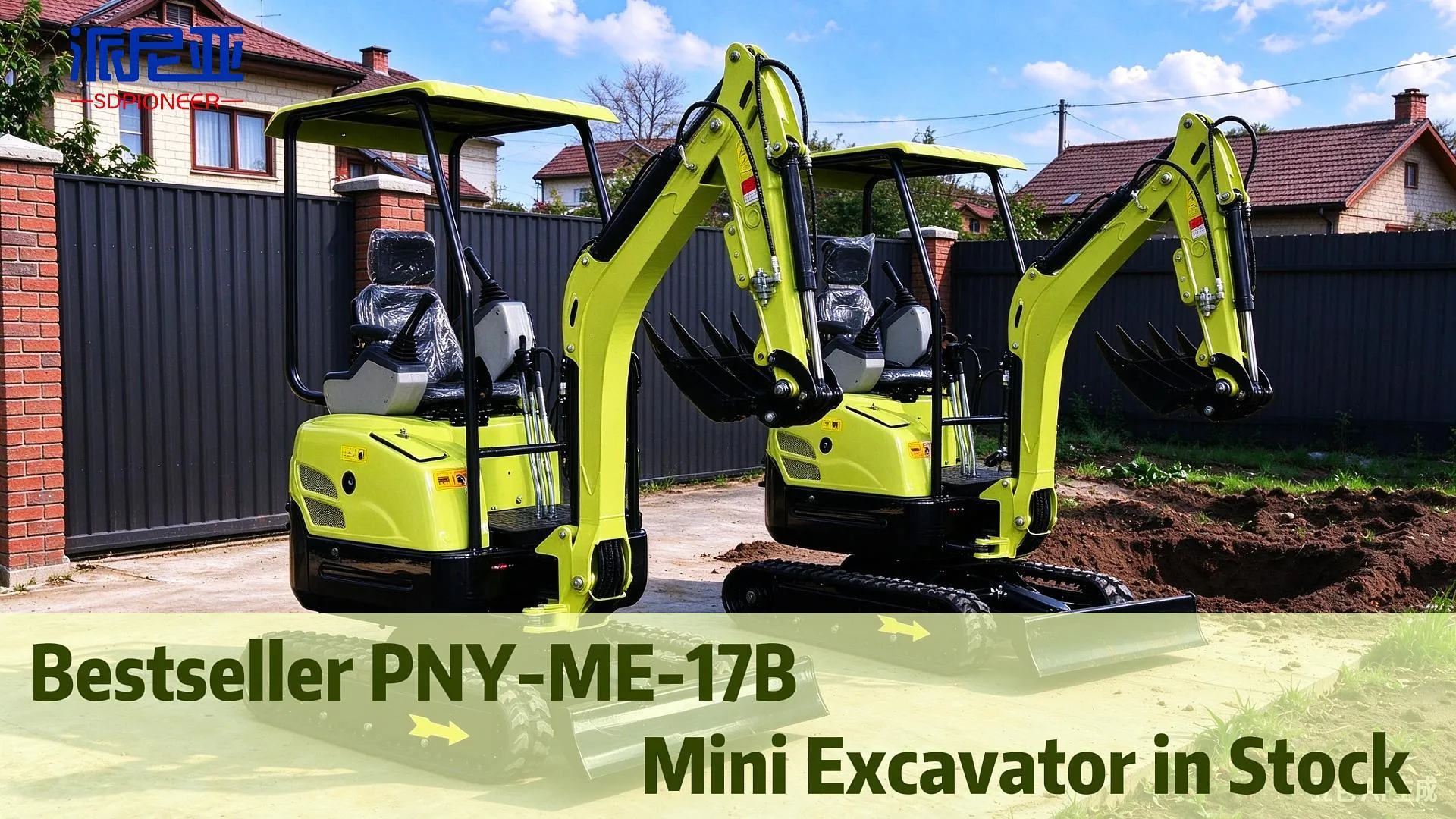
A prime example of such a reliable manufacturing partner is Shandong Hexin (manufacturing) and its overseas trade counterpart, Shandong Pioneer. Established in July 2004 in Jining, Shandong Province, this enterprise has spent over two decades accumulating deep technical expertise in the heavy machinery sector. Originally operating from a 1,600-square-meter facility, the company expanded its capabilities significantly, relocating in August 2023 to a larger industrial base in Ningyang County, Tai’an City, to better serve global demand.
With a specialization in producing over 300 types of key excavator components—including arms, booms, and buckets—alongside complete equipment assembly and micro construction machinery, the company possesses an intrinsic understanding of machine integrity. Their portfolio also extends to intelligent energy storage cabinet systems, reflecting a commitment to modern technological integration. This depth of manufacturing knowledge ensures that their refurbished units and new micro-machinery are built with the same rigorous standards expected by Fortune Global 500 clients like Komatsu, Caterpillar, XCMG, Shantui, Sumitomo, and Sinotruk.
Additionally, direct sources frequently provide limited warranties or service guarantees. This level of accountability is rare in the open secondary market. It demonstrates the supplier’s confidence in their refurbishment standards and provides peace of mind to the buyer, backed by a track record of exporting trusted products to the United States, Canada, Germany, Australia, and beyond.
Cost Efficiency and Value Retention
The financial argument for factory-direct purchasing extends beyond the sticker price. While the upfront cost might be slightly higher than a private sale, the total cost of ownership is often lower. This is due to reduced immediate maintenance needs and higher resale value later.
Machines processed through official channels undergo rigorous testing protocols. They are cleaned, repainted, and tuned to perform close to new specifications. This comprehensive approach ensures that the equipment retains its value better than units sold “as-is” with unknown histories.
For businesses planning to expand their fleet, consistency is key. Buying from a single reliable source ensures that all units in the fleet have similar maintenance schedules and part compatibility. This standardization simplifies logistics and reduces training requirements for operators.
Comprehensive Comparison: Refurbished Grades Explained
Understanding the grading system for used mini excavator units is essential for making an informed decision. Not all used machines are created equal, and the industry generally categorizes them into specific tiers based on condition and refurbishment levels.
The following table outlines the typical differences between various grades of used equipment available in the 2026 market. This comparison helps buyers align their budget with their operational requirements.
| Grade Category | Operating Hours | Condition Overview | Ideal Application | Price Range Indicator |
|---|---|---|---|---|
| Premium Refurbished | Low (Under 3,000) | Near-new condition, full service history, new undercarriage, updated software. | Daily heavy-duty commercial projects requiring maximum uptime. | High |
| Standard Used | Moderate (3,000 – 6,000) | Good working order, minor cosmetic wear, regular maintenance performed. | General construction, landscaping, and utility work. | Medium |
| Economy / As-Is | High (Over 6,000) | Functional but shows significant wear, may need immediate minor repairs. | Occasional use, rental fleets, or backup equipment. | Low |
| Project / Parts | Variable | Non-operational or major component failure, sold for repair or cannibalization. | Workshops with repair capabilities or specific part sourcing. | Very Low |
Selecting the right grade depends heavily on the intended usage intensity. A premium refurbished unit is justified for contractors who bill by the hour and cannot afford downtime. Conversely, an economy unit might suffice for a homeowner completing a single seasonal project.
Analyzing the Total Cost of Ownership
Beyond the purchase price, buyers must calculate the total cost of ownership (TCO). This includes fuel efficiency, expected maintenance intervals, and potential downtime costs. A cheaper machine with poor fuel economy or frequent breakdowns quickly becomes more expensive than a pricier, reliable unit.
Modern mini excavators feature advanced hydraulic systems that optimize fuel usage. Older or poorly maintained models may consume significantly more fuel, eroding profit margins over time. Evaluating the engine’s health and the hydraulic system’s efficiency is critical for long-term profitability.
Insurance and financing terms also vary based on the machine’s grade. Lenders and insurers often prefer premium refurbished units due to their lower risk profile. This can result in better interest rates and lower premiums, further enhancing the financial viability of the investment.
Step-by-Step Guide to Purchasing a Used Mini Excavator
Navigating the market for a used mini excavator requires a structured approach to avoid common pitfalls. Following a systematic process ensures that you select a machine that meets your specific needs and budget while minimizing risks.
This step-by-step guide outlines the essential actions required to secure a high-quality unit at a competitive factory price. Each step builds upon the previous one to create a robust decision-making framework.
- Define Operational Requirements: Determine the necessary weight class, digging depth, and attachment compatibility. Consider the terrain and job site constraints.
- Research Reputable Suppliers: Identify factory-direct sources or authorized dealers with proven track records. Verify their certifications and customer reviews.
- Request Detailed Documentation: Ask for service logs, inspection reports, and photos of the actual unit. Avoid listings with generic stock images.
- Conduct a Virtual or On-Site Inspection: If possible, visit the facility. Otherwise, request a live video demonstration showing the machine operating under load.
- Verify Hydraulic and Engine Performance: Ensure the supplier provides data on pressure tests and engine compression. Look for signs of leaks or unusual noises.
- Negotiate Terms and Warranty: Discuss pricing, delivery options, and warranty coverage. Clarify what is included in the after-sales support package.
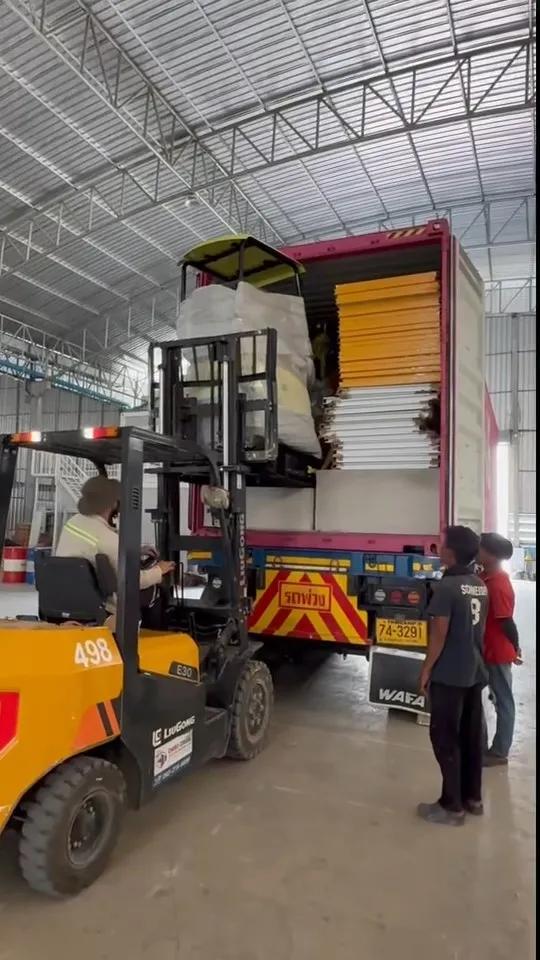
- Finalize Logistics and Delivery: Arrange for safe transport to your location. Ensure all necessary paperwork for ownership transfer is completed accurately.
Skipping any of these steps can lead to acquiring a machine that does not fit your needs or requires immediate costly repairs. Patience and diligence during the selection process pay dividends in the form of reliable performance and operational efficiency.
Red Flags to Watch Out For
Certain warning signs should prompt immediate caution or withdrawal from a deal. Recognizing these red flags protects buyers from fraudulent activities and substandard equipment. Vigilance is key in the used machinery market.
Be wary of suppliers who refuse to provide serial numbers or detailed history reports. A lack of transparency often indicates hidden issues with the machine’s past. Similarly, prices that seem too good to be true usually reflect underlying problems that will surface later.
Avoid units with mismatched paint colors or fresh welding on structural components unless fully disclosed. These can be signs of previous accidents or major repairs that compromise structural integrity. Always prioritize honesty and documentation over a low bargain price.
Optimal Applications for Mini Excavators in Modern Construction
The versatility of the used mini excavator makes it indispensable across various industries. From urban infrastructure projects to rural agricultural tasks, these compact machines deliver power and precision in confined spaces where larger equipment cannot operate.
In 2026, the demand for mini excavators continues to grow driven by urbanization and the need for efficient, low-impact construction methods. Their ability to navigate tight areas while delivering significant digging force makes them a preferred choice for many professionals.
Urban Infrastructure and Utility Work
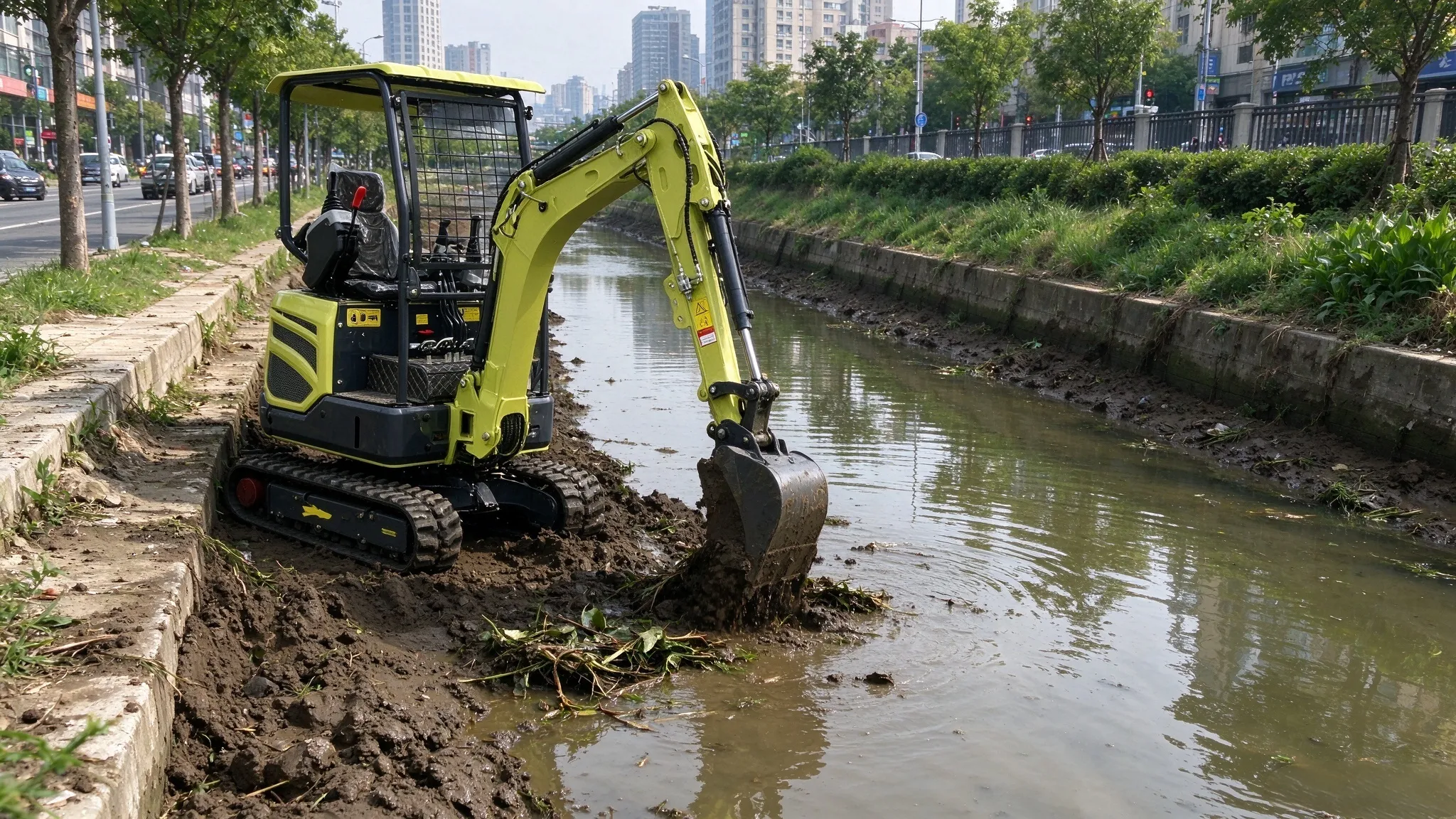
City environments present unique challenges such as limited space, proximity to existing structures, and strict noise regulations. Mini excavators excel in these conditions due to their compact footprint and optional zero-tail-swing designs.
They are extensively used for trenching water lines, installing fiber optics, and repairing sewage systems. The precision control allows operators to work close to sensitive utilities without causing damage. This capability reduces the risk of accidental strikes and associated liabilities.
Moreover, their mobility enables quick deployment between multiple job sites within a city. Transporting a mini excavator is simpler and cheaper than moving larger machinery, enhancing operational flexibility for utility contractors.
Landscaping and Residential Projects
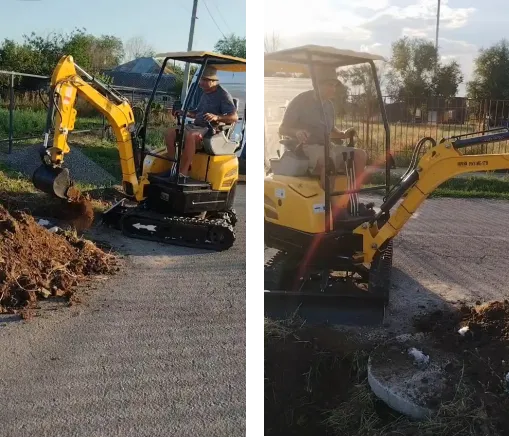
In the residential sector, mini excavators are vital for landscaping, pool installation, and foundation digging. Their gentle ground pressure minimizes damage to lawns and driveways, preserving the aesthetic appeal of the property.
Homeowners and small contractors appreciate the ease of operation and the wide range of available attachments. Augers, breakers, and grapples transform the machine into a multi-tool capable of handling diverse tasks efficiently.
The availability of affordable used units has democratized access to this technology. Small business owners can now own equipment that was previously only accessible through rental, improving their profit margins and scheduling autonomy.
Agricultural and Forestry Applications
Beyond construction, mini excavators serve critical roles in agriculture and forestry. They are used for clearing land, digging irrigation ditches, and managing vegetation. Their robust design handles rough terrain and demanding tasks with ease.
In forestry operations, they assist in creating firebreaks and accessing remote areas. The ability to equip them with specialized thumbs and grapples enhances their utility in handling logs and debris. This adaptability makes them a valuable asset for land management.
Farmers benefit from the machine’s ability to perform maintenance tasks quickly, reducing labor costs and increasing productivity. A reliable used unit offers a cost-effective solution for seasonal work without the depreciation hit of a new purchase.
Maintenance Strategies for Extending Equipment Life
Owning a used mini excavator comes with the responsibility of diligent maintenance. Proper care not only extends the machine’s lifespan but also ensures safe and efficient operation. Implementing a proactive maintenance schedule is crucial for maximizing return on investment.
Regular inspections and timely replacements of wear parts prevent minor issues from escalating into major failures. This approach minimizes unplanned downtime and keeps projects on schedule. A well-maintained machine also retains higher resale value.
Daily and Weekly Inspection Routines
Daily checks should include examining fluid levels, inspecting hoses for leaks, and cleaning air filters. Operators should listen for unusual noises and monitor gauge readings for anomalies. These simple habits catch problems early before they cause significant damage.
Weekly routines involve greasing pivot points, checking track tension, and inspecting the undercarriage for wear. Ensuring that all bolts and fasteners are tight prevents structural loosening during operation. Documenting these inspections creates a valuable history for future reference.
Using the correct grade of oils and lubricants specified by the manufacturer is essential. Substituting with inferior products can lead to premature wear and component failure. Adhering to the recommended service intervals maintains optimal performance levels.
Long-Term Preservation Techniques
For long-term preservation, storing the machine in a sheltered environment protects it from weather-related degradation. Covering exposed hydraulic cylinders prevents rust and seal damage. Keeping the battery charged during idle periods ensures easy starting when needed.
Periodic professional servicing by certified technicians provides a deeper analysis of the machine’s health. They can identify wear patterns and suggest preventative measures that an operator might miss. This expert oversight adds a layer of security to the maintenance program.
Investing in high-quality replacement parts, even if they cost more initially, pays off in longevity. Genuine parts ensure proper fit and function, reducing the risk of collateral damage to other components. This strategy aligns with the goal of sustaining the machine’s value and utility.
Frequently Asked Questions About Used Mini Excavators
Buyers often have specific concerns regarding the purchase and operation of used mini excavator units. Addressing these common questions provides clarity and builds confidence in the decision-making process. Here are answers to some of the most frequently asked inquiries.
How many hours is too many for a used mini excavator?
There is no single cutoff number, as maintenance history matters more than total hours. However, units with over 8,000 hours typically require major component overhauls. Machines between 3,000 and 5,000 hours often offer the best balance of price and remaining life if well-maintained.
Is it better to buy locally or import from a factory source?
Buying locally offers easier inspection and faster delivery but often at a higher price. Importing from a factory source can provide significant cost savings and access to newer models, but requires careful vetting of the supplier and consideration of shipping and customs costs.
What attachments are compatible with most mini excavators?
Most mini excavators use a universal quick coupler system, allowing compatibility with buckets, augers, breakers, and grapples. However, verifying the hydraulic flow requirements and pin dimensions is essential before purchasing attachments to ensure proper fit and function.
Can I get financing for a used mini excavator?
Yes, many financial institutions offer loans for used construction equipment, especially for units under a certain age or hour limit. Premium refurbished units from reputable suppliers are more likely to qualify for favorable financing terms compared to older, as-is machines.
What warranty should I expect when buying used?
Warranties vary widely. Private sales usually come with no warranty. Authorized dealers and factory-refurbished programs often provide 3 to 12-month warranties covering major components like the engine and hydraulics. Always clarify the scope and duration before finalizing the purchase.
Strategic Advantages of 2026 Market Trends
The landscape for acquiring a used mini excavator in 2026 presents unique opportunities for savvy buyers. Technological advancements and shifting supply chains have created a market where quality and affordability intersect more effectively than in previous years.
Increased competition among suppliers has driven up refurbishment standards. To remain competitive, many factories now invest heavily in restoring used units to near-original specifications. This trend benefits buyers by raising the baseline quality of available inventory.
Leveraging Digital Tools for Verification
Modern technology facilitates remote verification of machine conditions. High-definition video streams, digital inspection reports, and telematics data allow buyers to assess units from anywhere in the world. This transparency reduces the risks associated with distance buying.
Blockchain-based history records are emerging as a tool for verifying service logs and ownership history. While not yet universal, their adoption by leading suppliers adds a layer of trust and authenticity to transactions. Buyers should look for suppliers embracing these technologies.
Data analytics also play a role in predicting maintenance needs. Some modern used units come with retained digital histories that show usage patterns and stress events. Access to this data empowers buyers to make highly informed decisions about potential purchases.
Sustainability and Environmental Compliance
Sustainability is a growing priority in the construction industry. Buying a used mini excavator is inherently eco-friendly as it extends the lifecycle of existing machinery, reducing the carbon footprint associated with manufacturing new units.
Furthermore, many refurbished units are updated to meet current emission standards. Suppliers often retrofit engines with newer filtration systems or update software to optimize fuel burn. This ensures that older machines remain compliant with increasingly strict environmental regulations.
Choosing a compliant used machine avoids potential fines and restrictions in regulated zones. It also aligns corporate practices with broader sustainability goals, enhancing the reputation of the contracting business among environmentally conscious clients.
Final Recommendations for Securing the Best Deal
Securing the best factory price on a used mini excavator in 2026 requires a blend of market knowledge, technical understanding, and strategic negotiation. The opportunities are substantial for those who approach the process with diligence and a clear set of criteria.
Prioritize suppliers who demonstrate transparency, offer verified inspection reports, and stand behind their products with warranties. The lowest price is not always the best value if it comes with hidden risks or imminent repair costs. Focus on the total cost of ownership and operational reliability.
Who Should Invest in a Used Unit?
This investment is ideal for small to medium-sized contractors looking to expand their fleet without heavy capital expenditure. It is also suitable for startups entering the construction market and established firms needing backup equipment. Homeowners with extensive land management needs also benefit significantly.
Those who possess basic mechanical knowledge or have access to local service support are best positioned to maximize the value of a used unit. Being able to perform routine maintenance and minor repairs enhances the economic advantage of owning pre-owned equipment.
Next Steps for Prospective Buyers
Begin by defining your specific project requirements and budget constraints. Research reputable factory-direct suppliers—such as established manufacturers with a history of serving global Fortune 500 clients—and request detailed information on available inventory. Do not hesitate to ask for live demonstrations and third-party inspection reports.
Take the time to compare multiple options using the grading criteria outlined in this guide. Engage with suppliers who communicate clearly and provide comprehensive support. By following these steps, you can secure a high-performance used mini excavator that drives your projects forward efficiently and profitably.

Please leave us a message


