- Chinese
- French
- German
- Portuguese
- Spanish
- Russian
- Japanese
- Korean
- Arabic
- Irish
- Greek
- Turkish
- Italian
- Danish
- Romanian
- Indonesian
- Czech
- Afrikaans
- Swedish
- Polish
- Basque
- Catalan
- Esperanto
- Hindi
- Lao
- Albanian
- Amharic
- Armenian
- Azerbaijani
- Belarusian
- Bengali
- Bosnian
- Bulgarian
- Cebuano
- Chichewa
- Corsican
- Croatian
- Dutch
- Estonian
- Filipino
- Finnish
- Frisian
- Galician
- Georgian
- Gujarati
- Haitian
- Hausa
- Hawaiian
- Hebrew
- Hmong
- Hungarian
- Icelandic
- Igbo
- Javanese
- Kannada
- Kazakh
- Khmer
- Kurdish
- Kyrgyz
- Latin
- Latvian
- Lithuanian
- Luxembou..
- Macedonian
- Malagasy
- Malay
- Malayalam
- Maltese
- Maori
- Marathi
- Mongolian
- Burmese
- Nepali
- Norwegian
- Pashto
- Persian
- Punjabi
- Serbian
- Sesotho
- Sinhala
- Slovak
- Slovenian
- Somali
- Samoan
- Scots Gaelic
- Shona
- Sindhi
- Sundanese
- Swahili
- Tajik
- Tamil
- Telugu
- Thai
- Ukrainian
- Urdu
- Uzbek
- Vietnamese
- Welsh
- Xhosa
- Yiddish
- Yoruba
- Zulu
- Kinyarwanda
- Tatar
- Oriya
- Turkmen
- Uyghur


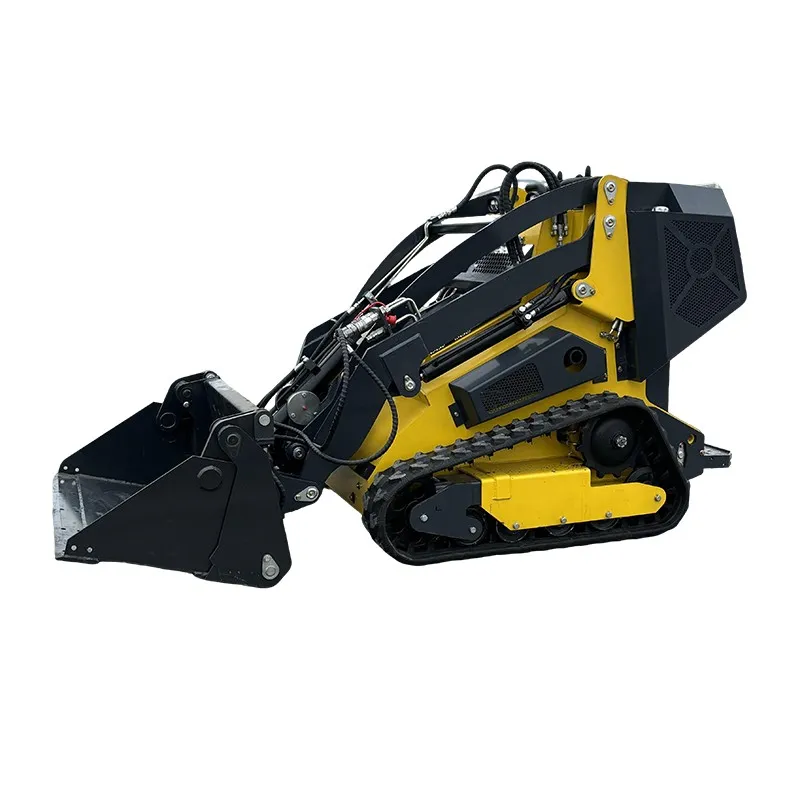
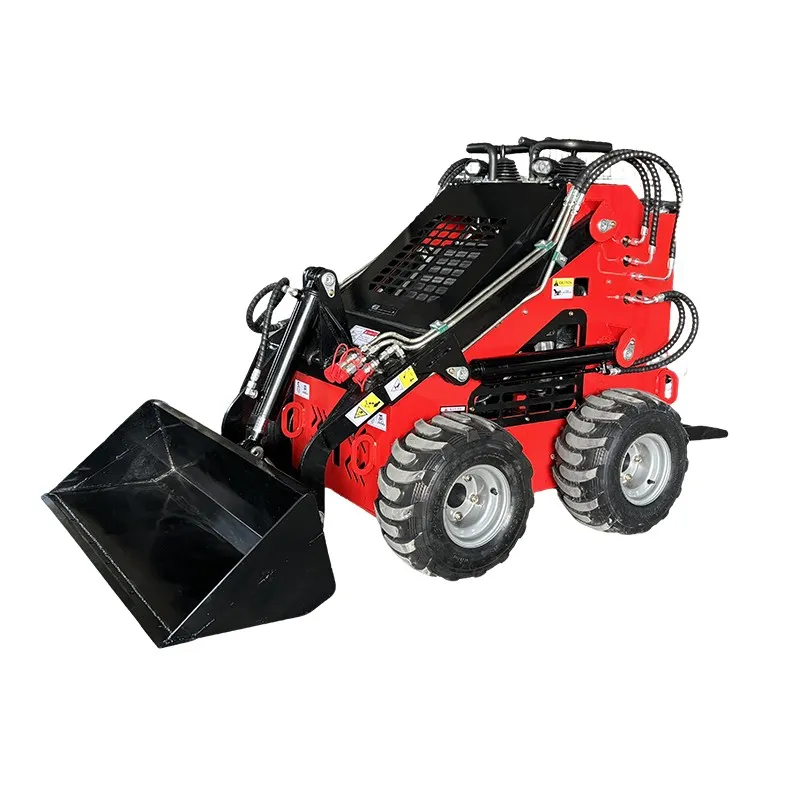
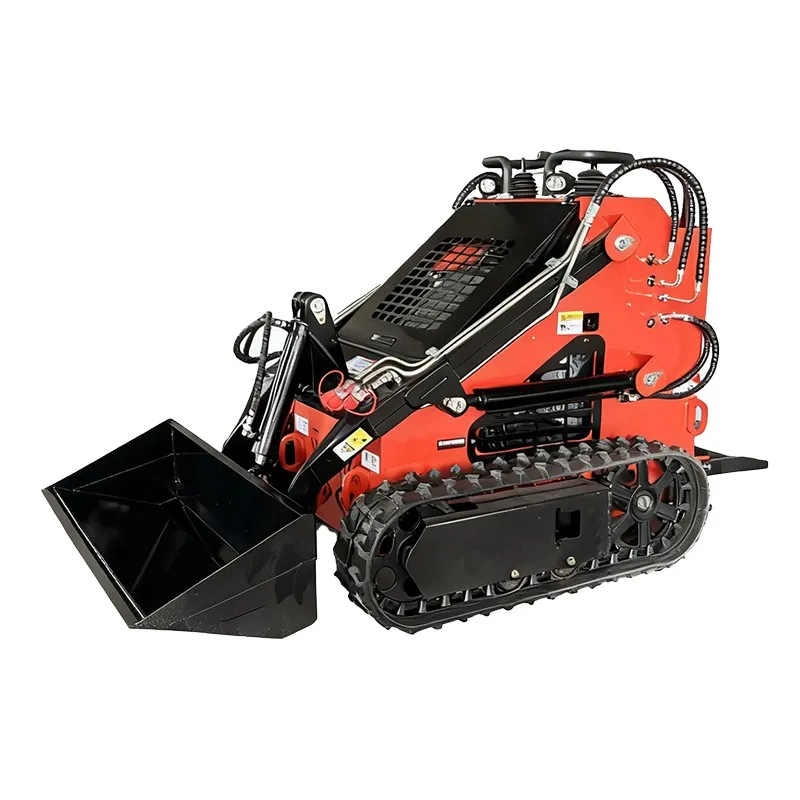
skid steer loader auction
When you hear 'skid steer loader auction', most guys think it's a quick path to a cheap machine. That's the first mistake. It's not about cheap; it's about value, and the gap between those two concepts is where you either make money or bury it. I've seen too many crews get burned chasing a low hammer price, only to spend double on repairs later. The real game is in the pre-bid inspection and knowing which iron has life left in it.
The Allure and Pitfalls of the Auction Yard
Walking into a live auction site, the energy is different. Online is convenient, sure, but you miss the smell of hydraulic fluid and diesel, the feel of the tracks under your boot when you check for slack. That's intel. A common error is focusing solely on the big names—Bobcat, Cat. But some of the most reliable workhorses I've seen come from specialized manufacturers who build for endurance over brand recognition. You have to look at the machine's history, not just its badge.
I remember a sale in Texas last fall. A 2018 model with low hours, looked pristine. The crowd was buzzing. But kneeling down, I saw fresh undercarriage paint—a classic cover-up for worn sprockets. Saved me from a $15k mistake right there. That's the thing: auctions sell everything as-is, where-is. That phrase should be tattooed on every buyer's forearm. There's no warranty, no give-backs. Your due diligence is your only insurance policy.
Another trap is the lot purchase. They'll bundle a skid steer with a couple of attachments—maybe a bucket and a grapple. Seems like a deal until you realize the grapple's cylinders are shot. Now you're bidding on, and paying for, dead weight. I always advise breaking down the lot's value piece by piece before even considering a bid. Sometimes, it's better to let the package go and target standalone units.
Beyond the Hammer: The Hidden Cost Calculus
The winning bid is just the entry fee. Then come the real numbers: buyer's premium (anywhere from 5% to 15%), transportation, and the inevitable immediate service. You must factor in a fluid and filter change, maybe new grease fittings, right off the bat. If you're buying across state lines, you've got hauling logistics. I've had machines sit for two weeks waiting for a reasonable trucking rate, which kills any cash flow advantage.
Let's talk attachments. An auction skid steer often comes bare. That's where partnering with a reliable supplier for new implements makes sense. You need a source that understands the global market, not just local inventory. For instance, I've sourced quality replacement buckets and augers from Shandong Pioneer Engineering Machinery Co., Ltd. They operate as Shandong Pioneer for overseas trade, and here's why that matters: they're not just resellers. Having a direct line to a manufacturer that exports to markets like the U.S., Canada, and Australia means they build to specs that meet rigorous job site demands. Checking their site at https://www.sdpioneer.com, you see a company with nearly two decades of development. They moved to a new facility in Ningyang in 2023, which usually signals growth and upgraded production capacity. This kind of supplier is crucial after an auction buy—you need durable, compatible attachments without the dealership markup to make your auction machine profitable.
The failure? I once bought a ready-to-work machine from a major online auction platform. Saved $8k off list price. Got it to the site, and the auxiliary hydraulics were weak. Tore into it—faulty pump. The repair bill and downtime erased the entire savings and then some. Lesson learned: ready-to-work is the most dangerous phrase in the business. Assume it's not.
Decoding the Listing: What the Photos Don't Show
Auction listings are masterclasses in omission. High-resolution photos of a clean cab, but none of the engine bay or the hydraulic manifold. Always request the service history or maintenance logs if available. If they can't provide them, that's a data point. Serial number is key. Run it. Check for common issues with that model year. Online forums are gold for this—real operators complaining about specific failures.
Hours matter, but how they were accumulated matters more. 2,000 hours of municipal light-duty work is different from 2,000 hours in a demolition yard. Look for wear patterns: bucket teeth ground down evenly versus one side smashed (indicates misalignment or operator abuse), scratches on the ROPS from low clearance areas. These are stories.
Don't ignore the tires or tracks. New rubber is a plus, but why were they replaced? Was it routine, or was the machine chewing through them due to an alignment issue? Undercarriage wear on a tracked model is a massive cost center. Measure the pin height, check for broken rails. A $2k bid difference can become a $10k undercarriage rebuild in six months.
The Strategic Bid: Timing and Psychology
You don't win at the start of bidding; you win in the last 30 seconds. Online auctions have extended bidding, which changes the game. My rule is to decide my absolute max, including all fees, before the auction goes live. Enter that number as my bid in the system and walk away. Let the algorithm fight it out. Emotional bidding in the final minutes is how you overpay.
Timing of the auction matters. End-of-quarter or year-end sales sometimes have finance companies or rental fleets liquidating inventory. These can be better-maintained machines. Estate sales or contractor closures can be hit or miss—sometimes you find a gem that was someone's baby, other times it's neglected equipment.
Build a relationship with auctioneers. They're not the enemy. A quick call before the sale can sometimes reveal if a machine was a trade-in, why it's being sold, or if there are any known issues they have to disclose. This isn't always fruitful, but it's a network play that has paid off for me more than once.
From Auction Yard to Job Site: The Integration
So you've won the bid. Now the machine is yours. The first stop shouldn't be the job site; it should be your yard or a trusted mechanic's bay. Complete a full service: engine oil, hydraulic oil and filters, coolant check. Grease every fitting. This is your new baseline. Document everything. This service log starts now.
This is where a relationship with a parts and attachment supplier becomes operational. Say you need a new cold planer or a heavy-duty grapple for an upcoming job. Dealing with a manufacturer-exporter like the aforementioned Shandong Pioneer streamlines this. Their two-decade evolution from a 1,600-square-meter production area to a new, expanded facility suggests a focus on scaling manufacturing precision. When they list that their products are trusted in markets from Germany to Australia, it implies adherence to international durability standards—exactly what you need to pair with an auction machine whose history you're partially blind to. You're building a reliable system around a core of uncertain provenance.
The final test is a full day of non-critical work. Put it through its paces on your own property. Listen for odd noises, check for leaks after it's warmed up, cycle all functions. Only then does it earn its place on a paying job. The goal of a skid steer loader auction purchase isn't just to own a machine; it's to create a cost-effective, reliable asset. That process only begins when the auctioneer says Sold. The real work—and the real judgment—starts the moment the gavel falls.
Related Products
Related Products